Banking Politics & Policy News
American Banker's Politics & Policy coverage delivers news and analysis on how legislative action, federal agency rulemaking, regulatory politics, and public policy debates shape banking strategy, risk, competition, and compliance. Coverage explores congressional priorities, executive branch initiatives, regulatory agency actions, and the political forces that shape and impact the operating environment for financial institutions, payments companies, fintechs and distributed finance companies.
Bank leaders must navigate a dynamic policy environment where congressional action, regulatory priorities, and political forces influence capital standards, supervisory expectations, digital asset frameworks, deposit insurance, consumer rules, and competitive dynamics.
-
A 50% growth in losses from check fraud last year is pushing bankers in Illinois to ask regulators for a joint supervisory guidance and tougher enforcement of large banks' "know your customer" compliance.
 April 30
-
The failure of Republic First isn't a systemic threat or even a surprise. But the conditions that led to its failure are not all that unique and may foreshadow a secular rise in bank consolidation — one that policymakers can either embrace or resist.
April 30 American Banker
 -
Banks and other financial market participants have been keyed into the central bank's communications around monetary policy expectations. But in an unpredictable economy, the guidance doesn't always hit the mark.
April 29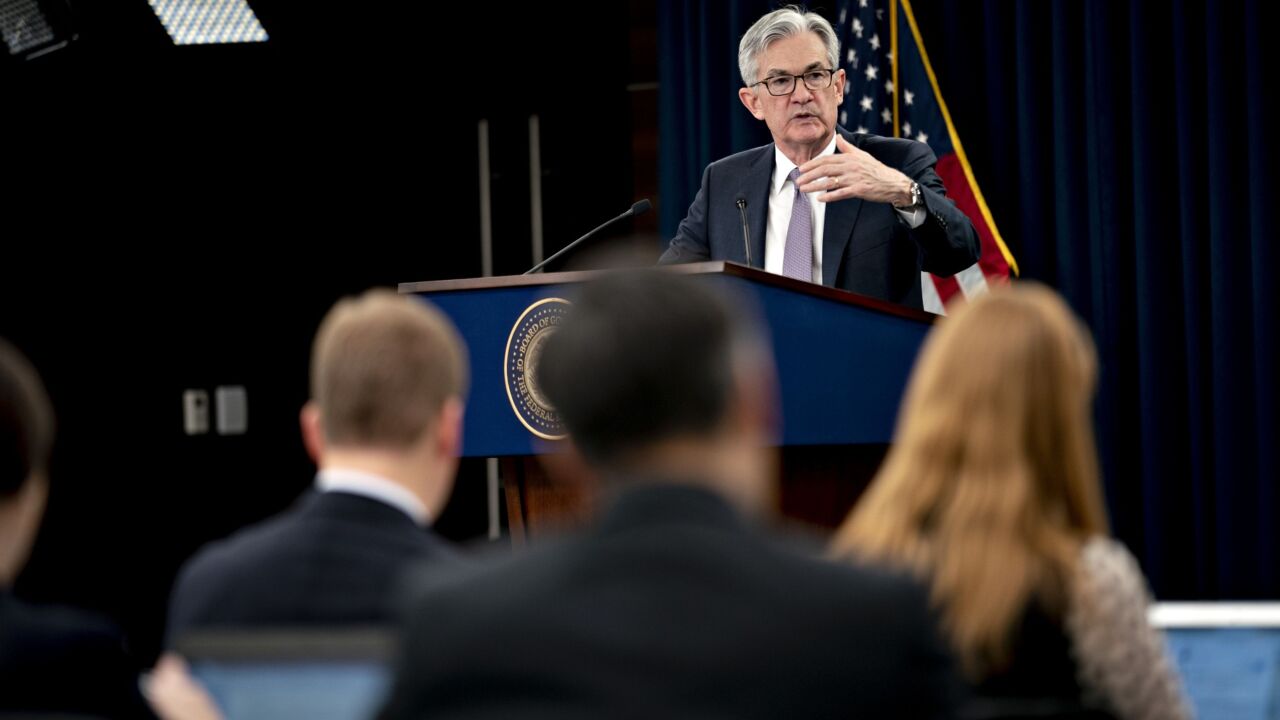
-
The Wyoming-based digital asset bank filed paperwork to challenge last month's district court ruling, which affirmed the Federal Reserve's view about its discretion over master account applications.
 April 26
-
The former head of the Consumer Financial Protection Bureau resigned Friday after the troubled rollout of the Free Application for Federal Student Aid led some House Republicans to call for his resignation.
April 26
-
The FDIC board debated and ultimately withdrew two separate proposals to address asset managers' control over banks, but acting Comptroller of the Currency Michael Hsu said he couldn't support either and called for more research and debate about how asset managers' control over banks impacts safety and soundness.
 April 25
-
The state's comptroller of public accounts is one of several notable non-depositories with access to the Fed's payments system, along with the Chicago Mercantile Exchange and the Tennessee Valley Authority. So why do they have accounts while some neobanks don't?
April 25