
Banking Politics & Policy News
American Banker's Politics & Policy coverage delivers news and analysis on how legislative action, federal agency rulemaking, regulatory politics, and public policy debates shape banking strategy, risk, competition, and compliance. Coverage explores congressional priorities, executive branch initiatives, regulatory agency actions, and the political forces that shape and impact the operating environment for financial institutions, payments companies, fintechs and distributed finance companies.
Bank leaders must navigate a dynamic policy environment where congressional action, regulatory priorities, and political forces influence capital standards, supervisory expectations, digital asset frameworks, deposit insurance, consumer rules, and competitive dynamics.
-
Policy experts say the mix of proposals put forth by the White House could ease the nation's housing shortage, but success will be neither quick nor assured.
 March 20
-
How the FDIC, the Federal Reserve and other regulators are working to keep banks in compliance through 2024.
 March 20
-
A trio of Republican Congressmen stated they will investigate how the program got fast-tracked by the Biden Administration.
 March 19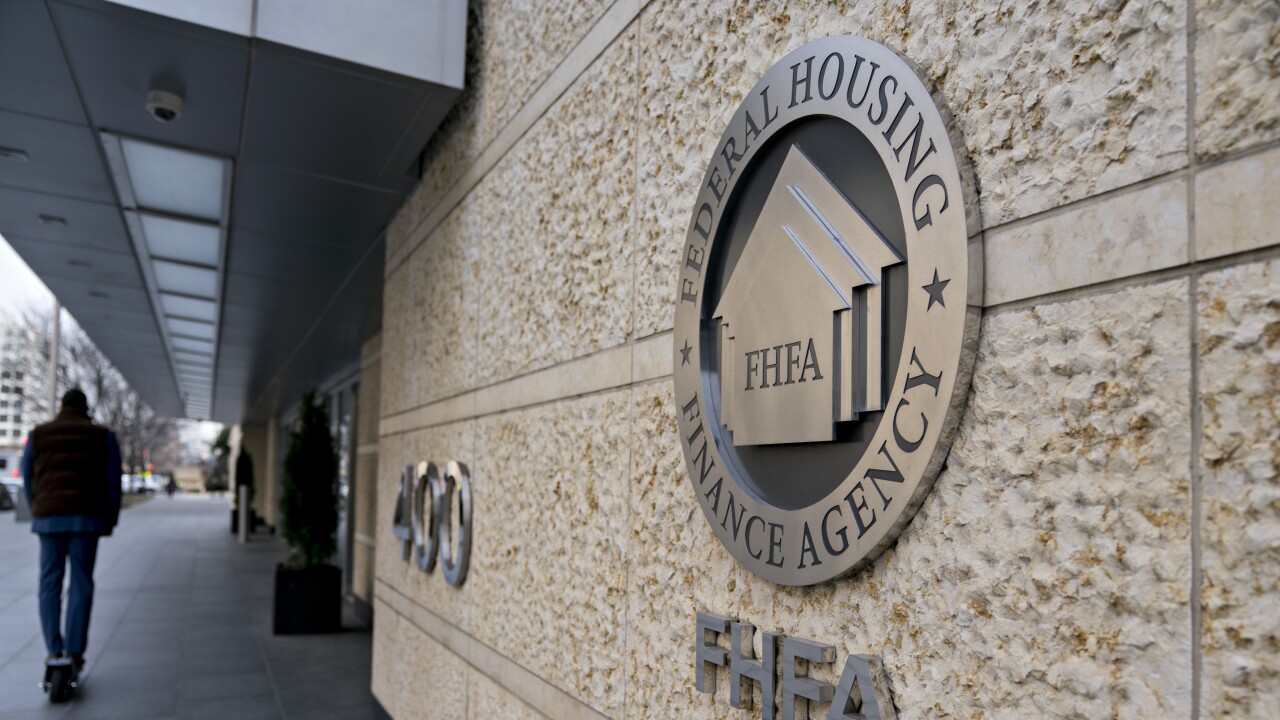
-
Rep. Tom Emmer, R-Minn., majority whip of the U.S. House, says Financial Services Committee Chairman Patrick McHenry's digital market structure bill could be ready for a vote in the full chamber.
 March 19
-
Judicial review of bad rulemaking is a right that all regulated industries enjoy. But some industries avail themselves more than others, and the ones that rely on it the most tend to get worse policies. Banks should take notice.
March 19 American Banker
 -
A Texas judge ordered the U.S. Chamber of Commerce to explain why it sued the Consumer Financial Protection Bureau in Texas to halt the bureau's $8 credit card late fee rule after the bureau filed a motion accusing the trade group of "forum shopping."
 March 19
-
Credit card late fees are annoying, but that's why they work as a disincentive to prevent late payments. By making them much smaller, the CFPB will actually be working against the interests of low-income consumers.
March 19


