-
Sen. Elizabeth Warren, D-Mass., led a group of Democratic lawmakers in writing to executives of large credit card issuers on their late fee policies and costs.
 May 9
May 9
-
The Fed's report on the failure of Silicon Valley Bank describes a "shift" in supervisory culture that began five years ago. Some say the issue is much older than that.
 May 8
May 8
-
The Federal Reserve claims to want to encourage the formation of de novo banks, but its treatment of Custodia Bank calls that commitment into question.
May 8
-
The Federal Deposit Insurance Corp. is poised to exempt smaller lenders from kicking in extra money to replenish the government's bedrock Deposit Insurance Fund, and instead saddle the biggest banks with much of the bill.
May 4
-
Changes to loan-level price adjustments are perfectly consistent with the FHA's mission and with the safety and soundness of Fannie Mae and Freddie Mac.
May 4 MIT Golub Center for Finance and Policy
 -
The Federal Deposit Insurance Corp. failed to create a level playing field for nonbank bidders pursuing First Republic Bank, according to FDIC board member Jonathan McKernan.
May 3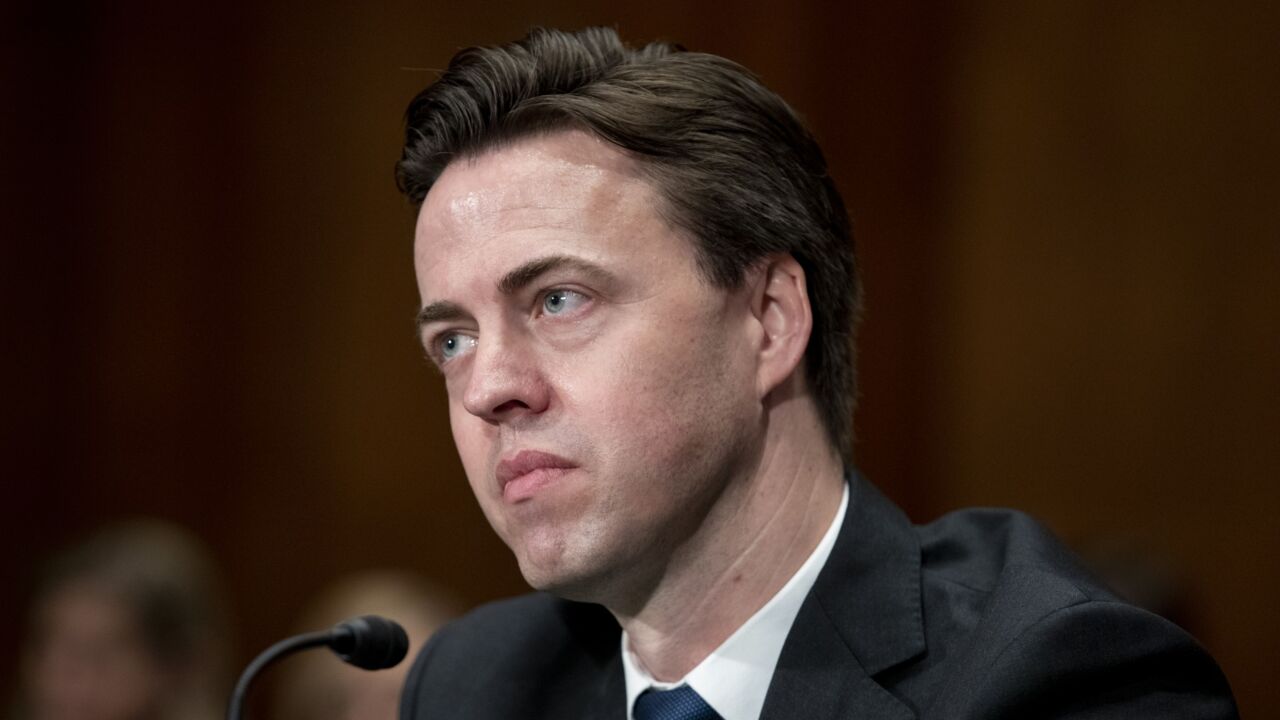
-
After years of implementing Dodd-Frank Act measures rules to streamline bank resolutions, regulators relied on their pre-crisis playbook to resolve Silicon Valley and First Republic banks. That choice has led some experts to question the rules' utility.
May 2
-
Insured deposit caps are now practically meaningless, and current rules for setting deposit insurance premiums do little to block banks' excessive risk taking. There's a better way.
May 1
-
Bank groups say the focus on capital rules in Federal Reserve Vice Chair for Supervision Michael Barr's report on Silicon Valley Bank are misguided. Others say he should have named names.
April 28 -
Besides negating the benefits of a central bank digital currency, the Federal Reserve's real-time payments system will bring about numerous positive changes, including helping consumers who live paycheck to paycheck.
April 28


