
The mortgage industry's digital transformation is revolutionizing the home buying experience and upending the status quo for lenders and servicers. The Digital Mortgage Conference is the premiere event exclusively dedicated to these developments, bringing over 1,500 professionals to Las Vegas on Sept. 17-18 for keynote speakers, panels and the main attraction: live product demos showcasing the latest mortgage innovations.

-
As the cryptocurrency mania raged, Congress took a hands-off approach, keeping the fast-growing industry in legal limbo as it spawned startups and drew billions of dollars from investors. That's left it to the courts to deal with the wreckage.
February 8
-
A senior regulator writes that the ongoing review of the system will lead to changes, rather than an embrace of the status quo.
February 8 Federal Housing Finance Agency
 -
Companies like CarParts.com and Affirm are tailoring loans for auto repairs, travel and other areas where borrowers are most sensitive to ballooning prices.
 February 8
-
The president urged Congress to pass a law that would reduce credit card late fees to $8.
 February 8
-
Wells Fargo will pay $300 million to settle a lawsuit claiming it improperly charged customers for unneeded auto-collision protection insurance — and hid the practice from investors.
February 7
-
Investors burned by last month's malfunction on the New York Stock Exchange can recoup all of their losses, but only if their trades fit certain parameters. The rest may wind up with nothing.
February 7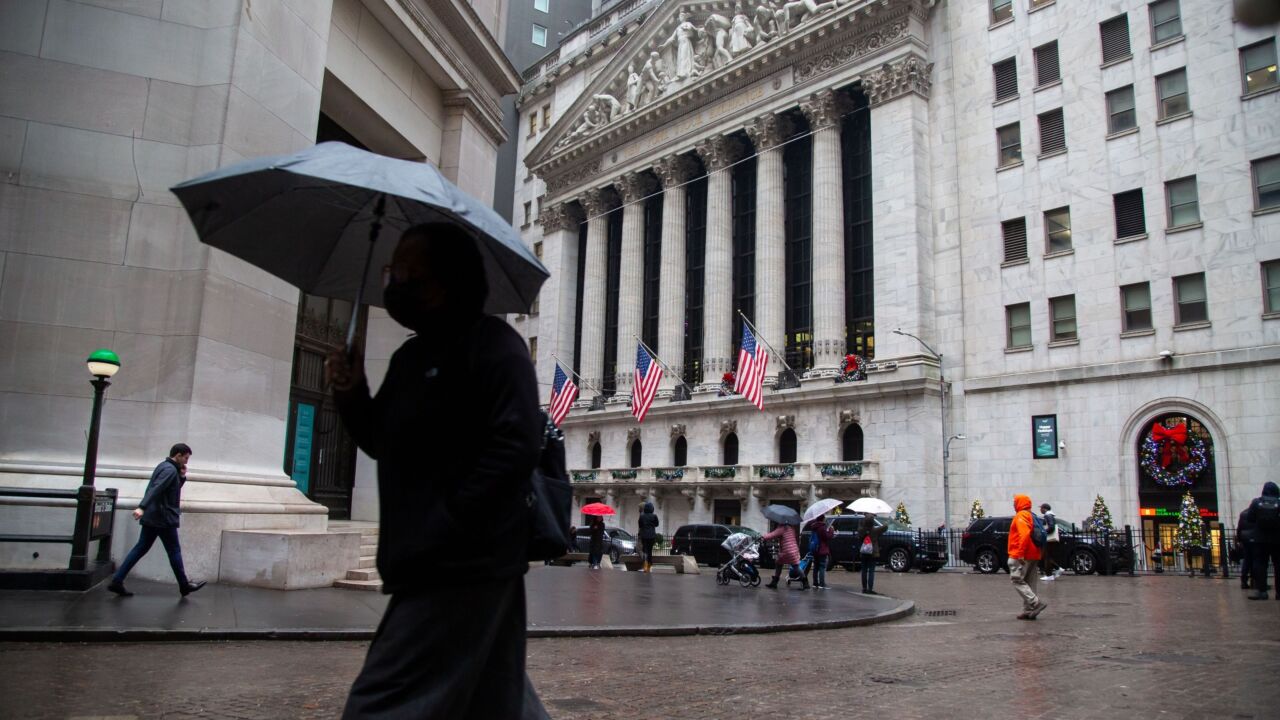
-
The Federal Reserve's top regulator says discriminatory practices of the past still have an impact today and calls on banks and their supervisors to be more vigilant.
 February 7
-
This year likely won't match 2022's heights, but executives expect loan growth to remain solid.
 February 7
-
A former Coinbase Global manager admitted participating in a scheme to trade on confidential information about when the exchange was going to list new tokens.
February 7
-
Revisions in 2020 to the way regulators classify "hot" deposits struck some observers as risky, at least in theory. Silvergate seems to have made that risk less theoretical.
February 7 American Banker


