-
Most banks ask executives to coordinate a vast patchwork of regulation in addition to managing their day jobs. They'd be better off putting one person in charge of regulatory communication, remediation and coordination.
July 14
-
The Dodd-Frank Act orders regulators to create diversity standards that govern financial institutions' hiring and contracting practices. So why did they shy away from the chance to propose clear, measurable reporting requirements?
July 14 -
Those looking for easy answers from a government report about what caused recent volatility in the Treasury markets including whether regulation is to blame were likely disappointed.
 July 13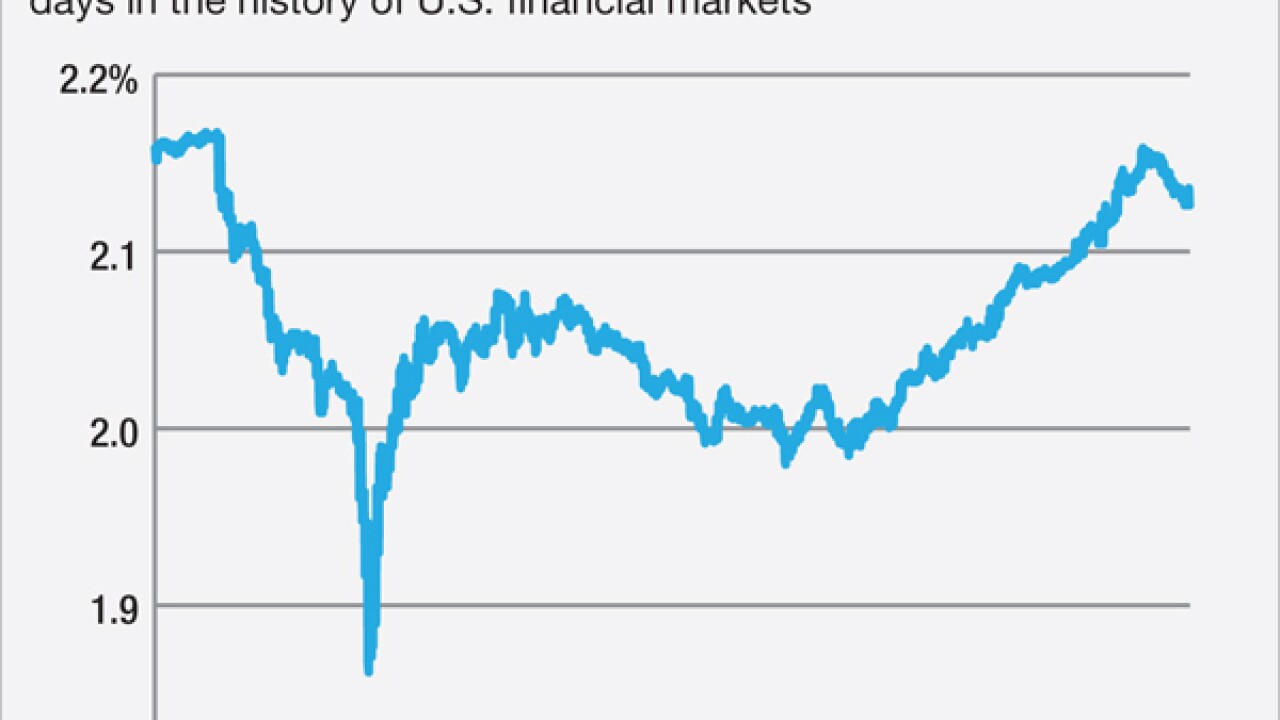
-
Democratic presidential fron-trunner called for tougher reforms on Wall Street and harsher penalties for financial misconduct, but avoided more aggressive positions embraced by other candidates to break up the biggest banks.
 July 13
 -
IMGCAP(1)]
July 10 -
Federal Reserve Board Gov. Lael Brainard jumped into the debate over growing concerns about diminishing market liquidity, conceding that new bank rules may be a factor.
 July 9
 -
While the Federal Reserve and other regulators extended the deadline for some parts of the Volcker rule, July 21 is the deadline for all banks to have a compliance regime in place.
July 9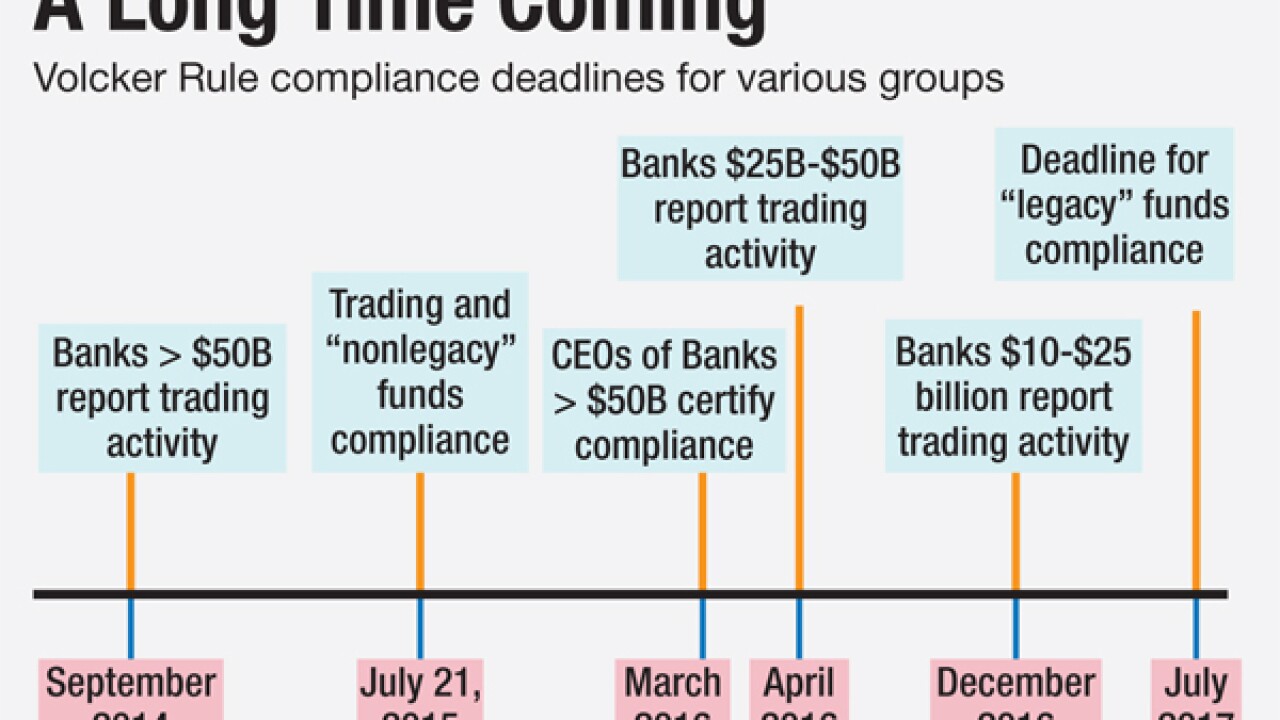
-
The Senate Banking Committee Chairman Richard Shelby, R-Ala., convened a hearing where he and others criticized the Financial Stability Board for its lack of accountability and influence on U.S. regulators.
July 9 -
As Treasury Secretary Jacob Lew defended the legacy of the 2010 reform law, in another part of the capital a banker and Republican lawmakers pleaded for legislative changes.
July 8 -
The Fed determined that the purchase of Susquehanna Bancshares, which would push BB&T's assets above $200 billion, will not pose a threat to the U.S. financial system. The approval could give more regional banks confidence to pursue bigger acquisitions.
 July 7
 -
MetLife and its allies are pushing back against the Financial Stability Oversight Council. But it's well worth imposing additional regulatory costs on large nonbanks if doing so helps prevent another crisis.
July 7 -
Twelve of the largest financial firms provided more information than they did last year in the public versions of their plans for breaking themselves up in a financial catastrophe, but whether they have done enough to reassure regulators won't be known for months.
 July 6
 -
The former FDIC chairman said during a recent conference call that banks with a traditional model essentially community banks have been hurt by the Fed's interest rate policy and the trickle-down tactics of regulation.
 July 2
 -
President Obama signed the Dodd-Frank Act five years ago this month, but the battle over the law's impact and legacy goes on. Several top lawmakers spoke to American Banker about how their views have evolved since the law's passage. Here are some highlights from those conversations.
July 2
-
Cyber threats or fraud may present bigger direct risks to banks, but many chief risk officers spend enormous amounts of time on the more tangible concern of keeping up with ever-growing regulatory expectations and requirements.
July 1 -
In the aftermath of passage of a sweeping law like Dodd-Frank, sharp divisions are common. What's unusual is the way the divide has persisted five years later, and in many ways has even hardened.
July 1 -
A role many people did not understand less than a decade ago has become integral to how banks navigate a new set of postcrisis hazards.
June 30 -
Equal-opportunity small business lending can go a long way toward helping minority groups rebuild the wealth lost during the Great Recession. The CFPB has delayed implementing reporting requirements that could close the credit gap for far too long.
June 30 -
One key test of banks' latest living will submissions, the first batch of which are due Wednesday, is whether the public portions of their plan are understandable to the public. If they aren't, regulators are ready to take tough action against institutions.
June 29 -
As the fifth anniversary of Dodd-Frank approaches, regulators in the U.S. and around the world appear to be joining the financial industry in favoring an approach to shadow banking that focuses on risky activities, rather than entities.
June 26


