
Banco Popular de Puerto Rico


Banco Popular de Puerto Rico is a full-service financial services provider with operations in Puerto Rico, the United States and Virgin Islands. Popular, Inc. is the largest banking institution by both assets and deposits in Puerto Rico, and in the United States Popular, Inc.
-

Wells Fargo, U.S. Bank, Regions and Fifth Third have all dropped out of the deposit advance business after federal regulators imposed new restrictions on the products, which are similar to payday loans. American Banker editors discuss the implications for banks, for the nonbank payday lenders who are facing regulation from other entities, and from the customers who may look elsewhere for alternative sources of short-term credit.
January 22 -

The massive Target data breach has reignited the debate over whether banks should do more to improve the security of the cards they issue in the United States. American Banker editors discuss why financial companies have been reluctant to upgrade their magnetic-stripe cards to the more secure chip-and-PIN cards used internationally, and what if anything the Target breach changes.
January 23 -

Regulators have been investigating a broader range of offenses that can trigger money laundering charges than a few years ago, says Henry Balani, a managing director at consulting firm Accuity. In addition to traditional predicate offenses (such as sanctions violations), banks now must guard against potential laundering of proceeds from tax evasion, bribery and corruption, and securities and mortgage fraud. Also, global banks that hope to grow by financing trade, particularly in newly opened markets like Shanghai, must make sure that the goods transported under their letters of credit are not used for nefarious purposes, Balani says.
January 24 -

Data breaches may be impossible to prevent, but there are ways to block card fraud from following. Andy Mattes, chief executive of ATM manufacturer Diebold, shares his views on how to secure ATMs and POS terminals.
January 27 -
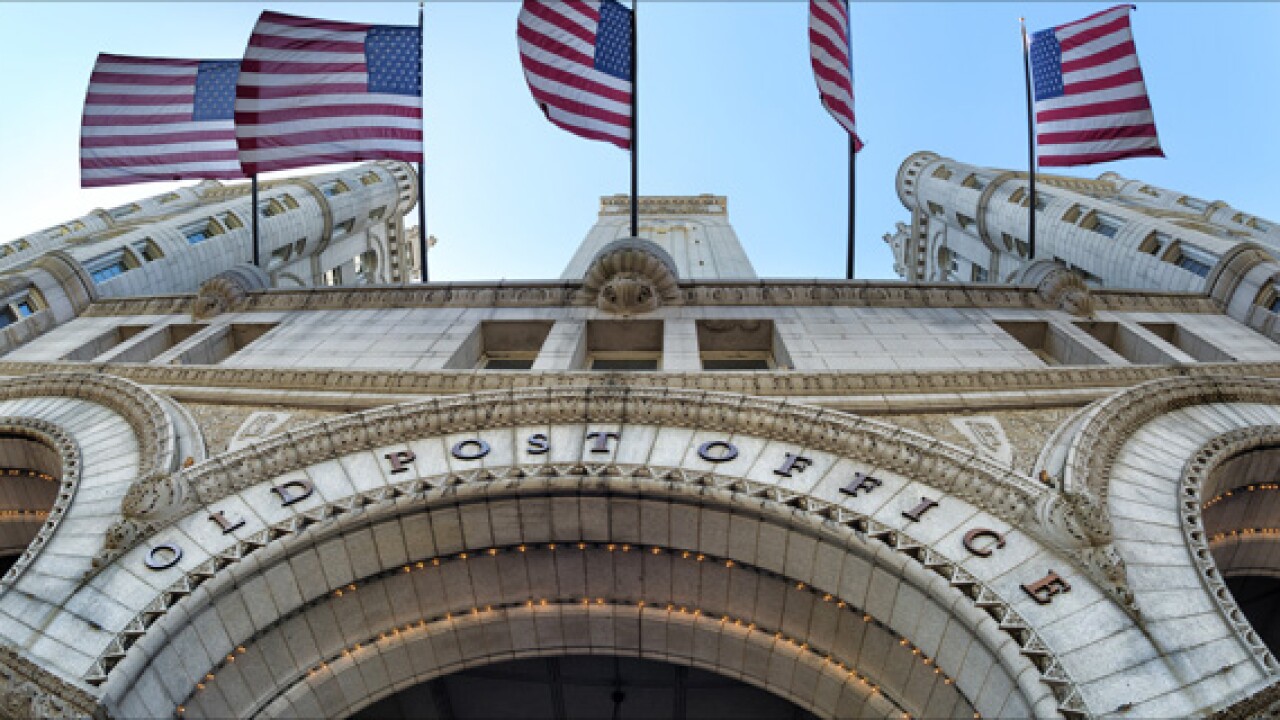
Community banking representatives met with hostility a recommendation that the U.S. Postal Service consider offering financial services. The proposal raises questions about whether the Obama administration is trying to circumvent Congress and replace payday lenders with a government entity. American Banker staffers discuss.
January 28 -

There's a reason Bitcoin startups have such a hard time getting or keeping bank accounts. Providing banking services to firms that exchange the digital currency requires a higher level of due diligence than banking traditional money services businesses, says Henry Balani, a managing director at Accuity. The anonymous (or pseudonymous) nature of Bitcoin addresses presents higher risk, he says.
January 29 -
Microsoft is scheduled to stop supporting Windows XP, the operating system inside most ATMs, on April 8. Diebold chief executive Andy Mattes weighs in on the impact to the industry.
January 30 -

The Federal Housing Administration's long-awaited decision to start accepting electronic signatures on mortgage documents will cut down on costs and streamline operations for banks and other mortgage lenders. But the industry still faces several hurdles before it can reap the benefits of this technology upgrade.
January 31 -
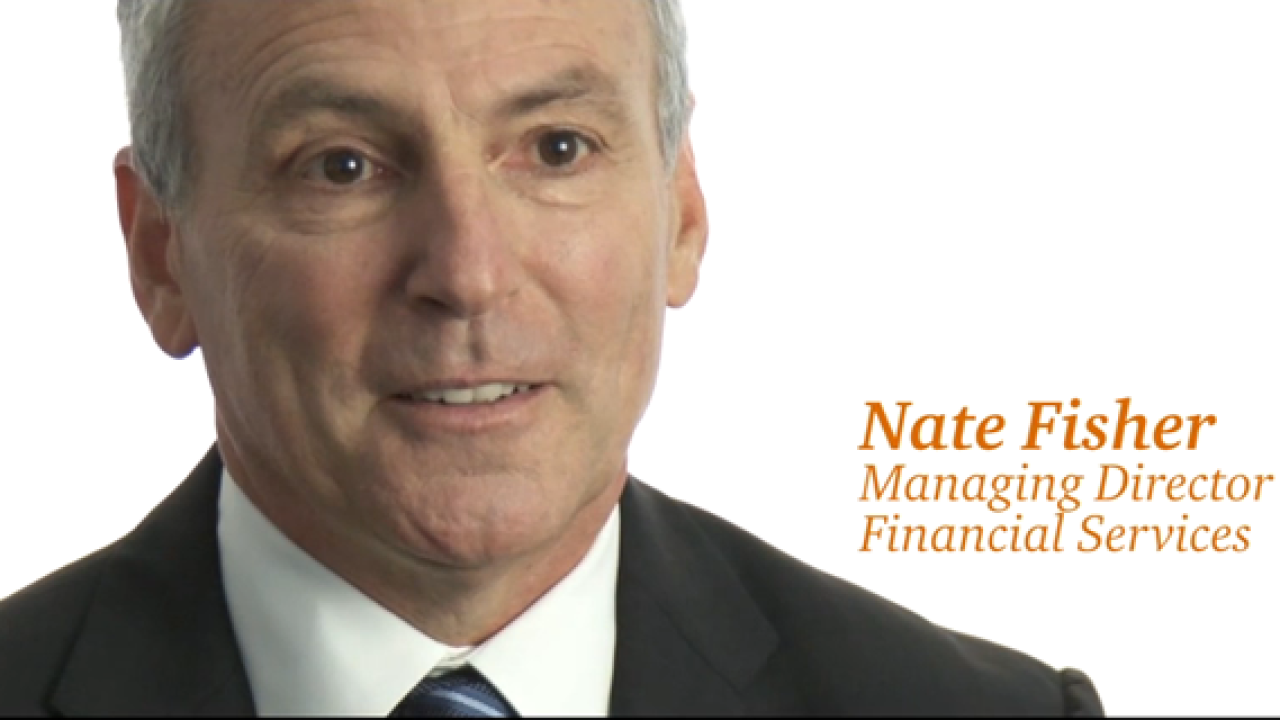
PwC Financial Services Managing Director, Nate Fisher, highlights how banks can align their pricing structure by using data from customer preferences.
January 31 -
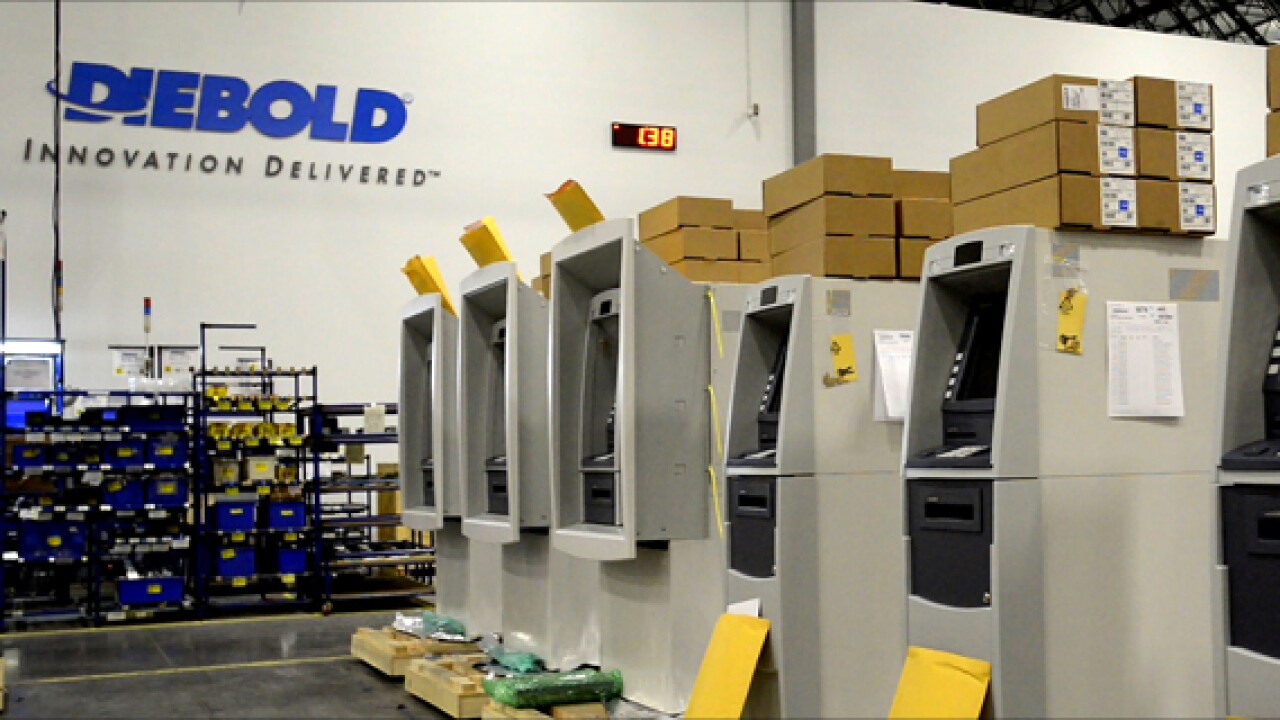
Cash will be with us for years to come, but also increasingly integrated with digital technologies, says Diebold chief executive Andy Mattes. With a half-year on the job, he says his company's goal "is to own the interface between digital and physical" money.
February 3


STOCK SNAPSHOT
