-
Banks and other stakeholders are trying to stop a proposal requiring financial institutions to submit more account data, but the Biden administration says opponents of the measure are spreading the false notion that it would reveal information about specific transactions.
 October 14
-
The financial sector had been outraged over a Senate proposal requiring data submissions for accounts with at least $600 of inflows and outflows. House leaders are aiming to raise that threshold to broaden support, but industry groups say they still oppose the idea.
September 24
-
Requiring financial firms to report customer account data to the IRS as a means of catching tax cheats would be intrusive and costly, industry officials say. Backers of the measure say those claims are exaggerated.
September 19
-
Treasury Secretary Janet Yellen lobbied the chairman of the Ways and Means Committee on the measure requiring bank-provided customer data to help crack down on tax cheats and pay for the $3.5 trillion spending plan.
September 15
-
Congress is considering whether to fund Biden administration spending priorities by forcing tax evaders to pay what they owe. Banks are intensifying efforts to kill a related provision requiring them to share more account data with the Internal Revenue Service.
September 8
-
The IRS and Justice Department waged a successful campaign to crack down on UBS and other Swiss banks for facilitating tax evasion. Coinbase, Kraken and other crypto exchanges should take note.
August 23 Fox Rothschild LLP
 -
The Biden administration wants financial institutions to tell the government more about their customers to help the IRS thwart wealthy tax evaders. But critics say the plan could threaten account data security and the privacy of even low-income consumers.
 June 17
-
A Biden administration initiative to crack down on wealthy taxpayers hiding pass-through income would require financial institutions to send account flow data to the IRS.
May 20
-
Binance Holdings Ltd. is under investigation by the Justice Department and IRS, ensnaring the world’s biggest cryptocurrency exchange in U.S. efforts to root out illicit activity that’s thrived in the red-hot but mostly unregulated market.
May 13
-
The IRS, FDIC and more than 70 banks and credit unions are urging consumers to open affordable accounts so they can receive their Economic Impact Payments quickly and safely. Many people have signed up, but millions lack accounts and will be harder to serve.
 March 17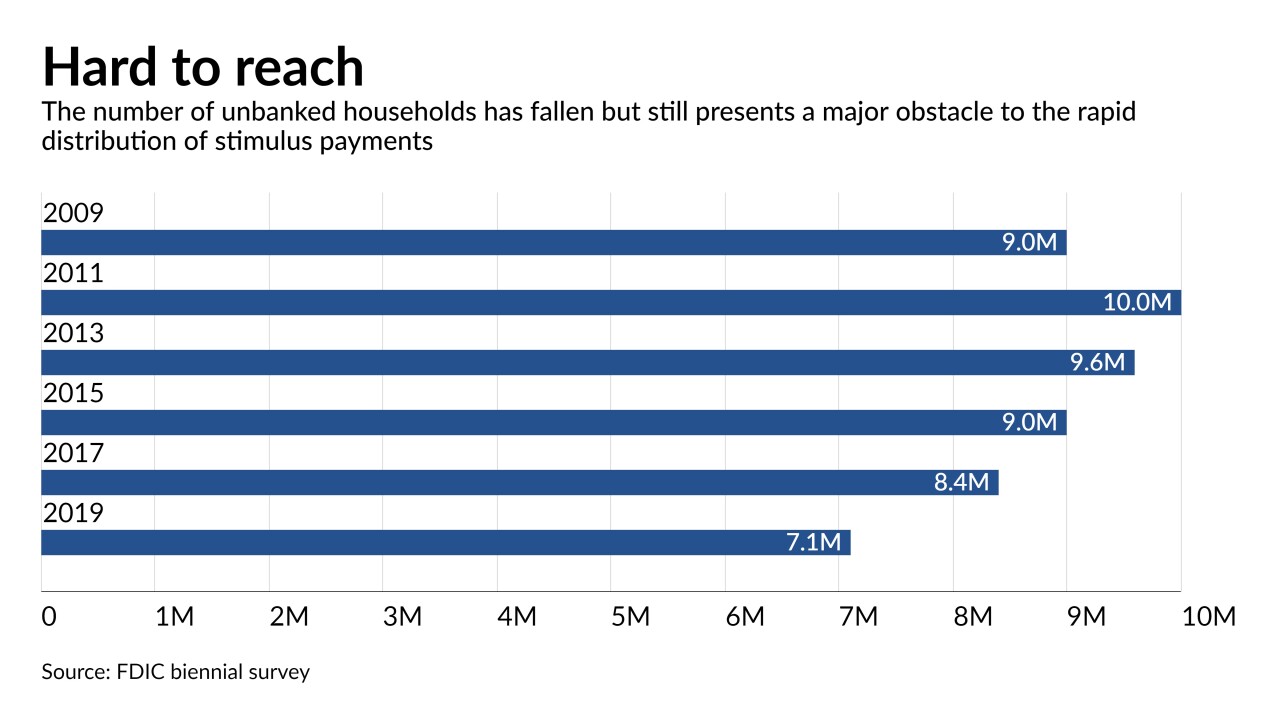
-
Banks have borne the brunt of the criticism from consumers still waiting for coronavirus relief funds to land in their accounts. But the industry says the lag time is the fault of the government and its antiquated payments system
March 16
-
The Internal Revenue Service will allow businesses that got their Paycheck Protection Program loans forgiven to write off expenses paid for with that money, shifting policy after Congress passed new legislation last month.
January 6
-
With lawmakers weighing changes to Bank Secrecy Act requirements, the Government Accountability Office urged the Financial Crimes Enforcement Network to establish written policies for expanding use of the agency’s database.
September 22
-
The 57 charges involve $175 million allegedly stolen from the small-business loan program. Defendants are accused of lying on their applications and using funds to buy cars, jewelry and other luxury items.
September 10
-
The HEROES Act aims to clarify whether economic stimulus checks from the government can be used for debt collection, but it's unclear if that language will survive the legislative process.
May 22
-
Nearly 4 million households that were to be mailed paper checks will instead receive their pandemic relief aid via prepaid debit cards issued by MetaBank.
 May 19
-
The IRS’s criminal division identified “dozens” of potential cryptocurrency tax evaders or cybercriminals after a meeting with tax authorities from four other countries.
November 11
-
Tax refund payment fraud has become far more sophisticated with attacks targeting tax professionals, human resource departments and even payroll offices, writes Deb Geister, financial crimes strategist and subject matter expert for NICE Actimize.
April 17
-
Tax-related identity theft can be especially worrisome, not only for the monetary consequences it carries, but tax documents often contain highly sensitive information, like Social Security numbers, writes Paige Schaffer, president and COO of Generali Global Assistance’s Identity and Digital Protection Services Global Unit.
April 11 Generali Global Assistance -
Along with amendments to the Bank Secrecy Act, the Taxpayers First Act could help credit unions maintain their tax-exempt status.
April 9


