-
Richard Hunt of the Consumer Bankers Association describes the changes to the Consumer Financial Protection Bureau he'll press for in the next Congress, regardless of which party controls the Senate.
October 21
-
Richard Hunt of the Consumer Bankers Association describes the changes to the Consumer Financial Protection Bureau he'll press for in the next Congress, regardless of which party controls the Senate.
October 21
-
Richard Hunt of the Consumer Bankers Association explains the industry's beef with the Consumer Financial Protection Bureau complaint portal particularly the agency's proposal to include "narratives" in the information published.
October 17
-
Raj Vig, president of business development company TCP Capital, discusses the crowded landscape in middle-market lending, regulators' concerns and how nonbanks and banks can sometimes work together.
October 16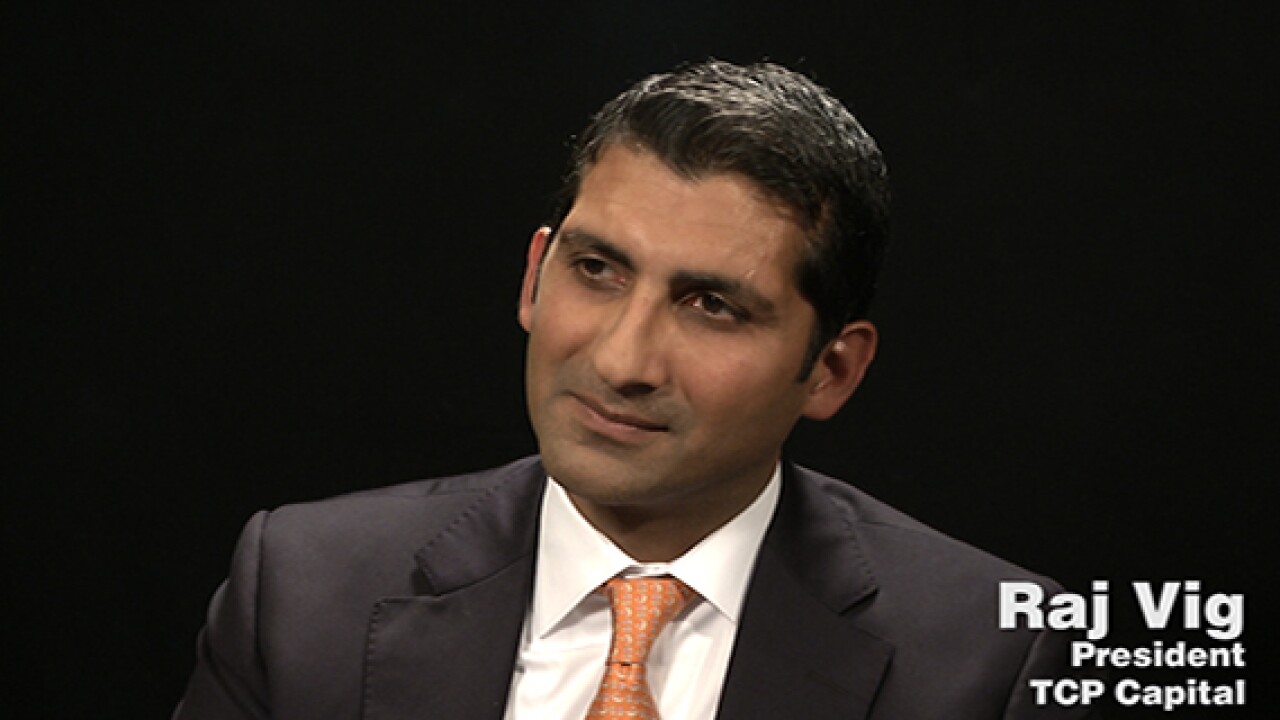
-
HSBC's Irene Dorner reflects on her 30-year banking career and offers this parting thought to her industry colleagues: "Do the right thing in all circumstances." She also calls for more emphasis on diversity in the banking industry and offers regulators some advice on achieving positive outcomes in her speech at the Most Powerful Women in Banking and Finance awards gala, where she accepted a Lifetime Achievement award.
October 14
-
C-suites will remain overwhelmingly male unless women in senior roles make it a priority to "lift up" their younger female colleagues, says Beth Mooney, the Most Powerful Woman in Banking. "The importance of mentoring, coaching and sponsorship cannot be overstated," she said.
October 14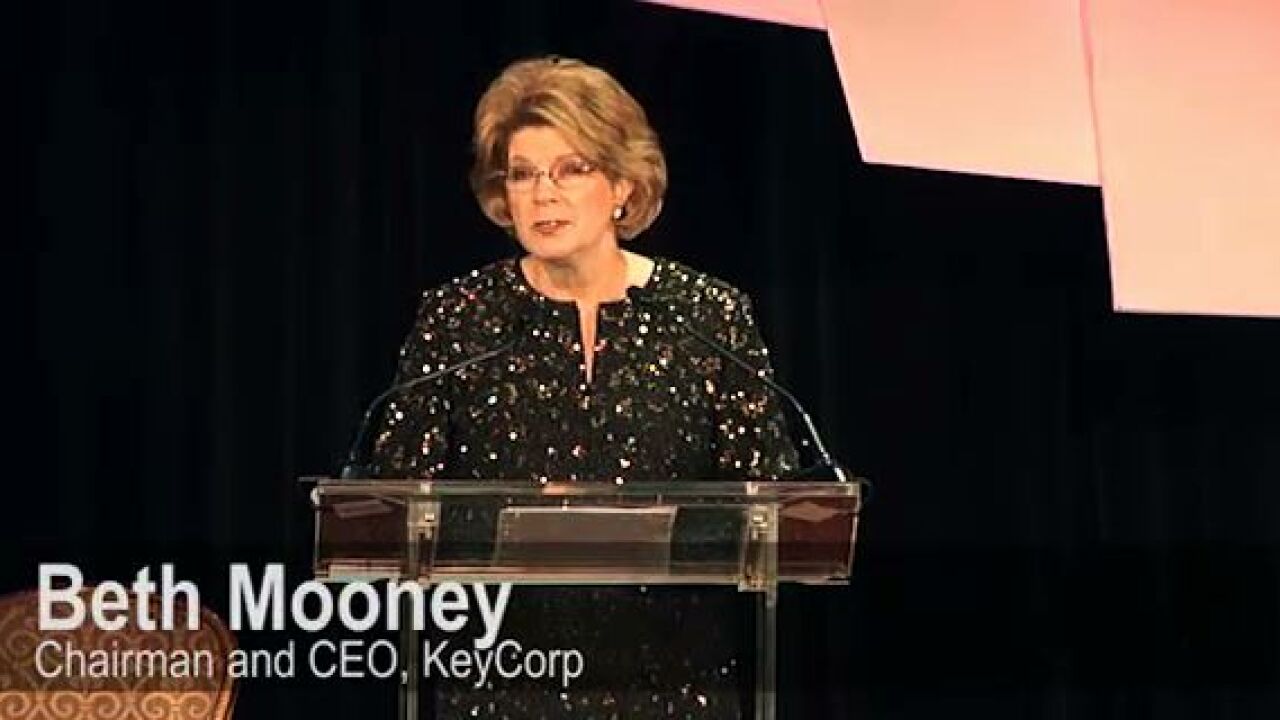
-
Jane Fraser, the British-born head of Citigroup's consumer and commercial bank, shares a lesson she's learned from her 13-year-old son that has helped her adapt to her new role. She also talks about making a scary transition to a job overseeing U.S. mortgages and training yourself to overcome fear and take on "stretch assignments" at work. "You just have to be 'all in' mind, heart, guts, hours," says Fraser, the No. 1 Woman to Watch, in her speech at the Most Powerful Women in Banking and Finance awards gala.
October 14
-
Three of the most powerful women in banking go beyond the balance sheet.
October 10