
Banking Politics & Policy News
American Banker's Politics & Policy coverage delivers news and analysis on how legislative action, federal agency rulemaking, regulatory politics, and public policy debates shape banking strategy, risk, competition, and compliance. Coverage explores congressional priorities, executive branch initiatives, regulatory agency actions, and the political forces that shape and impact the operating environment for financial institutions, payments companies, fintechs and distributed finance companies.
Bank leaders must navigate a dynamic policy environment where congressional action, regulatory priorities, and political forces influence capital standards, supervisory expectations, digital asset frameworks, deposit insurance, consumer rules, and competitive dynamics.
-
The Treasury will no longer enforce Corporate Transparency Act reporting rules for U.S. businesses, a move critics say weakens anti-money-laundering efforts.
 March 3
-
With regulatory bills making their way through both houses of Congress, stablecoins could soon play a larger role in the financial system — with important implications for the Treasury market.
 March 3
-
A March 2025 survey by the National Association for Business Economics shows growing inflation concerns — and a diminishing chance of rate cuts — in 2025, but also optimism about avoiding a recession.
March 3
-
Treasury Secretary Scott Bessent expects the U.S. housing market to quickly pick up steam after recent indicators came in below forecasts.
February 28
-
The Consumer Financial Protection Bureau's decision to no longer pursue its enforcement action against the credit reporting bureau marks the eighth lawsuit dropped by the agency in recent days.
 February 28
-
The Federal Deposit Insurance Corp. cut between 600 and 700 of its employees as President Trump's federal downsizing effort advances, fueling concerns over oversight and potential agency consolidation.
February 28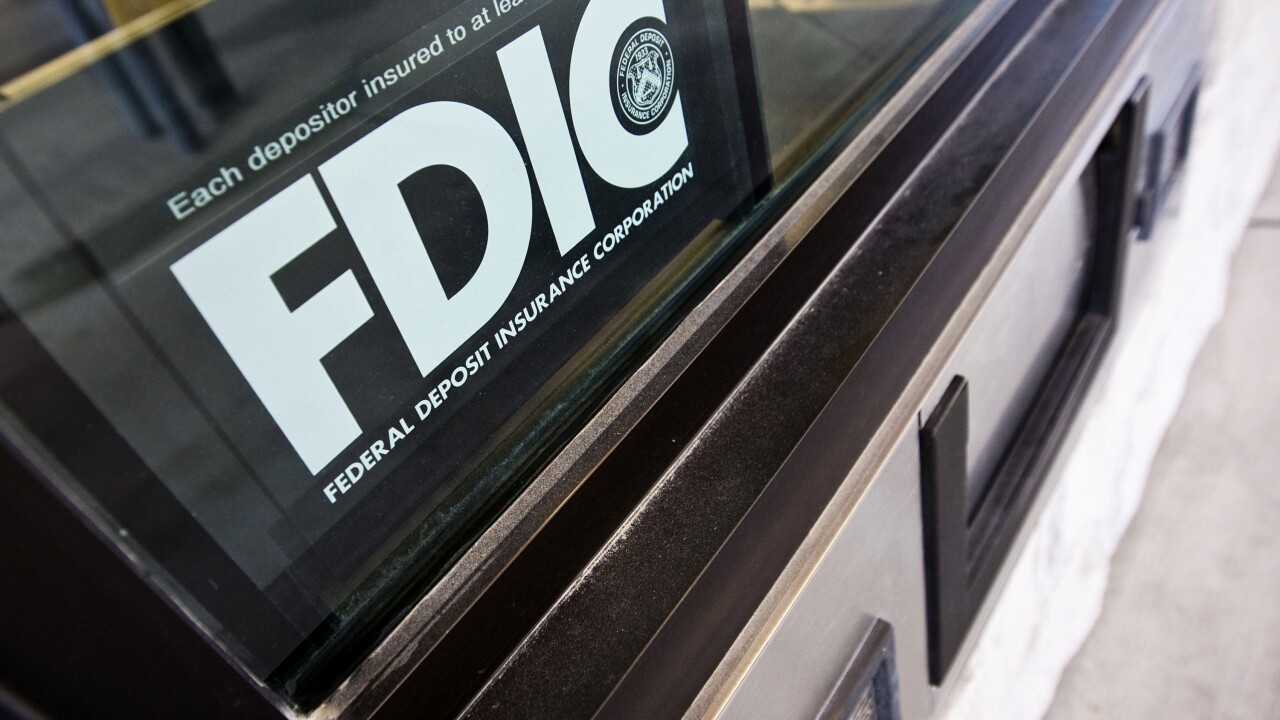
-
The union representing Consumer Financial Protection Bureau employees said in a court filing that the Trump administration's actions to reduce the agency's workforce and cut spending violate the law.
 February 28


-

As stablecoins and other cryptocurrencies enter the mainstream, lawmakers in Illinois have imposed a new transaction tax on digital assets. It will raise costs for everyday consumers and drive away businesses.

-

Yes, banks' capital burden will decline, leaving more potential funds available for lending. But the big question is which banks will find a way to deploy those funds to generate meaningful returns.

-

Restrictions that limit access to private market investments are harmful to ordinary investors, who are denied better returns. They also seal off a large potential source of funding for long-term infrastructure investments.


