-
New York Fed data shows a record $211 billion in car-loan originations during the second quarter. But median credit scores are falling, and delinquencies are rising, as lower-income consumers struggle to meet their obligations.
 August 11
-
The latest consumer conditions study from the American Financial Services Association paints a less-than-rosy picture of how lenders expect the second half of the year to play out.
 August 6
-
The online lender said its national bank will become the "primary originator," displacing the banks that are lenders of record. Loan buyers keep their role.
 August 5
-
The lender reported a 40% increase in net revenue, but operating expenses and an uncertain interest rate environment held it back from increasing outlooks.
 July 29
-
Christopher Peterson, a law professor at the University of Utah and former senior advisors at the Consumer Financial Protection Bureau, is the latest top hire for a Democratic state stepping up consumer protection.
 July 28
-
The bank released reserves it no longer needed because credit outperformed. An accounting switch means that line runs close to zero by the fourth quarter.
July 28
-
Until this quarter, car-loan delinquencies for the Detroit-based bank had been steadily dropping. But in the spring of 2026, that momentum showed signs of slowing.
 July 21
-
Efforts by individual states to rewrite existing rules governing interstate bank lending risk throwing the entire system into chaos. Only Congress has the ability to reestablish a workable set of national rules.
July 21
-
At a House hearing last week, GOP lawmakers asked Russell Vought, the acting director of the Consumer Financial Protection Bureau, for advice on how to craft legislation to permanently change the CFPB's authority. The hearing highlighted a consensus among Republicans that administrative policy rollbacks are not enough.
July 20
-
A coalition of 20 state attorneys general, most of them Democrats, is opposing efforts by the high-cost lenders Enova International and Opportunity Finance to acquire banks. The state AGs warn that the companies are trying to dodge state interest-rate caps.
July 17
-
The private student loan market figures to benefit from Republican-led changes to the much larger federal program. But other consumer lenders could face a fallout as more Americans are forced to reconsider which debt payments to prioritize.
 July 6
-
Sen. Elizabeth Warren, D-Mass., is asking President Trump's son Eric if he plans to refile a lawsuit against Capital One Financial for allegedly "debanking" hundreds of Trump Organization accounts. The letter follows President Trump's nomination of a Capital One executive to lead the Consumer Financial Protection Bureau.
July 2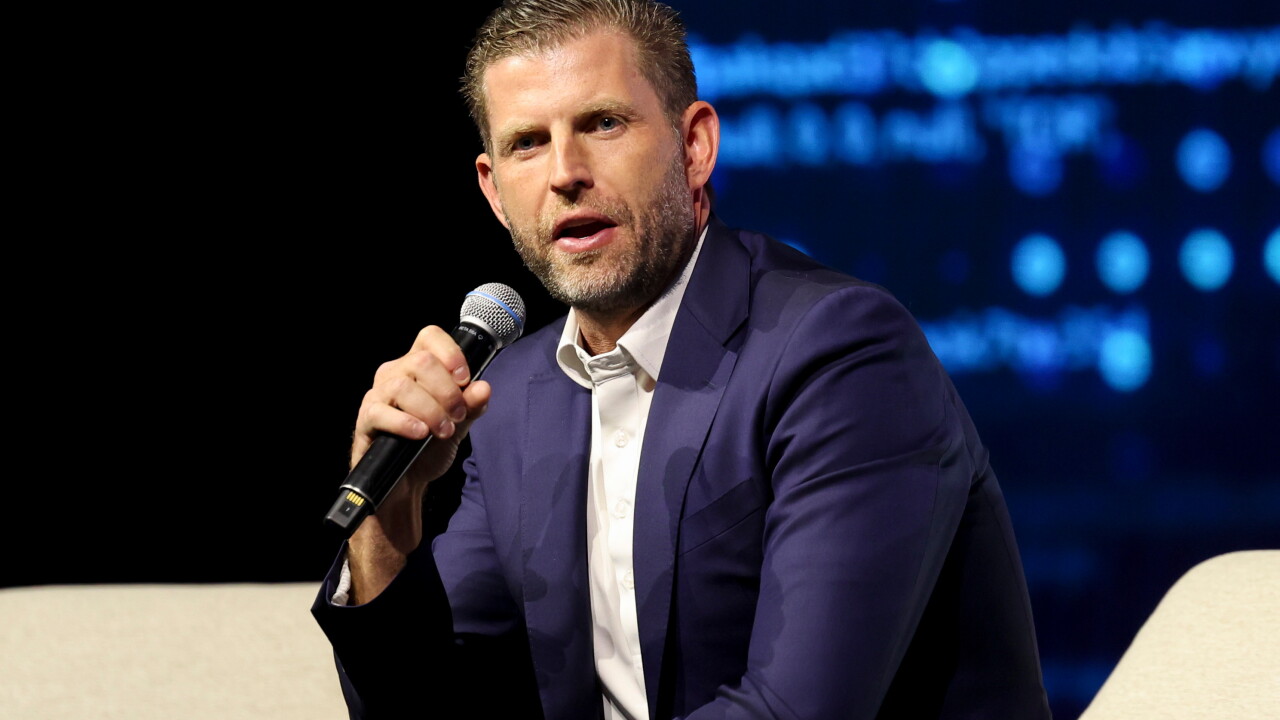
-
Yes, banks' capital burden will decline, leaving more potential funds available for lending. But the big question is which banks will find a way to deploy those funds to generate meaningful returns.
July 1
-
The Consumer Financial Protection Bureau is overhauling its consumer complaint portal after receiving 6.6 million complaints last year, more than double the 3.2 million in 2024, citing abuse by credit repair firms and social media influencers.
June 25
-
In 2024, a Honduras-born man who was buying a motorcycle was turned down for a loan. Two years later, Truist Financial is facing a discrimination lawsuit — and the plaintiff's lawyer says many lenders are vulnerable to the same accusations.
June 24
-
Banking and fintech trade groups have filed suit against the State of Oregon over a new lending law that they say unlawfully restricts interest-rate exportation by out-of-state state banks and threatens access to credit.
 June 16
-
Research from the New York Fed suggests that the legalization of sports betting has important implications for consumer lenders.
June 5
-
Applications from Enova International and Opportunity Financial for national bank charters present a danger to consumers. The Federal Reserve and Office of the Comptroller of the Currency should block them.
June 5 The Center for Responsible Lending
 -
The Federal Reserve's former top regulator said recent efforts to reform regulation and supervision have boosted executive compensation and share buybacks, not the broader economy.
 June 3
-
Since Michael Rhodes became its CEO, Ally Financial has gotten bigger by thinking more narrowly. Instead of growing the company's web of businesses, the company has exited some sectors while doubling down on what Ally does best: auto lending.
May 29


