
Banking Politics & Policy News
American Banker's Politics & Policy coverage delivers news and analysis on how legislative action, federal agency rulemaking, regulatory politics, and public policy debates shape banking strategy, risk, competition, and compliance. Coverage explores congressional priorities, executive branch initiatives, regulatory agency actions, and the political forces that shape and impact the operating environment for financial institutions, payments companies, fintechs and distributed finance companies.
Bank leaders must navigate a dynamic policy environment where congressional action, regulatory priorities, and political forces influence capital standards, supervisory expectations, digital asset frameworks, deposit insurance, consumer rules, and competitive dynamics.
-
President Trump's deregulatory promises have drawn praise from bank leaders, but leave experts worried of the potential for slipshod enforcement going forward.
 February 24
-
The Office of the Comptroller of the Currency is the latest federal banking agency to let go of probationary employees.
 February 21
-
Senior Republican House Financial Services Committee lawmakers in a letter to the Federal Deposit Insurance Corp. gave a series of recommendations that they said would combat so-called "debanking."
 February 21
-
Federal Reserve Vice Chair Philip Jefferson said clearer Fed communication and better text analysis has made monetary policy transmission more efficient, but noted that the central bank must remain diligent in how it communicates forward monetary policy guidance.
February 21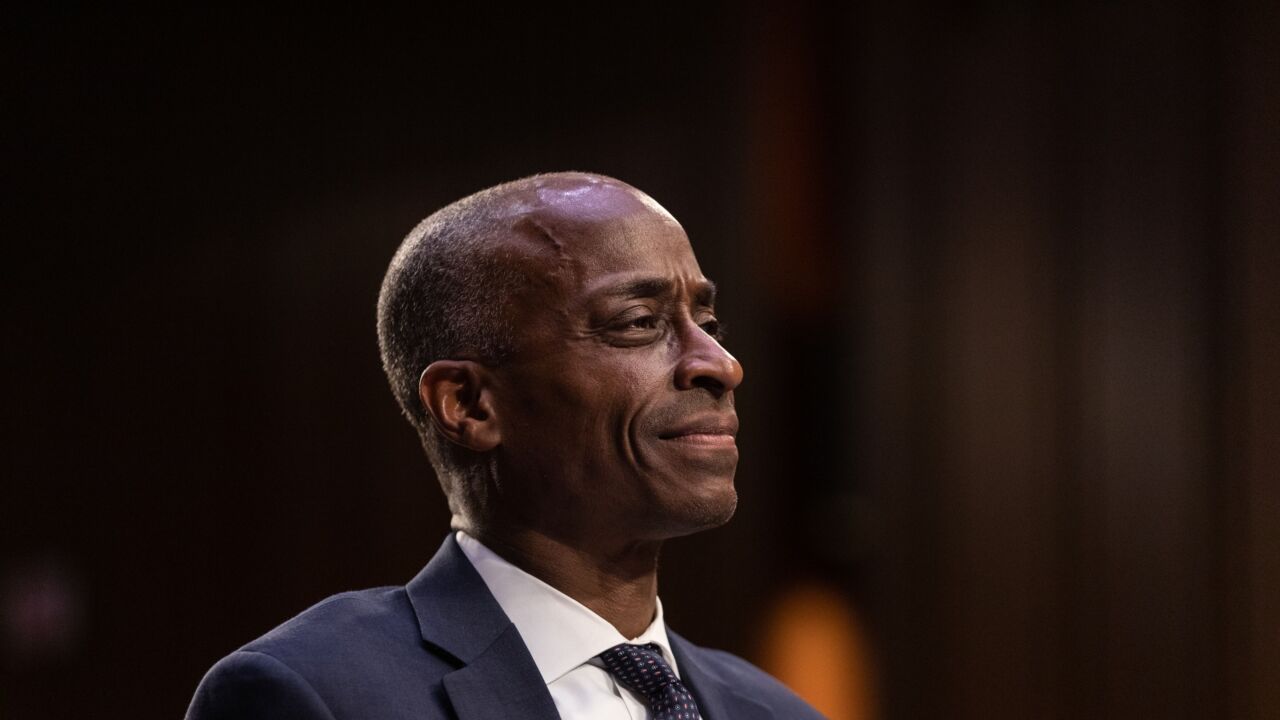
-
Federal Reserve Vice Chair for Supervision Michael Barr urged the Trump administration to continue reforms initiated under Biden and emphasized the importance of keeping the central bank apolitical.
February 20
-
President Donald Trump issued an executive order Wednesday night disbanding of three bank and credit union advisory groups.
 February 20
-
Calabria left the free-market think tank Cato Institute and is said to be at the Office of Management and Budget, reviewing multiple agencies.
 February 20


-

As stablecoins and other cryptocurrencies enter the mainstream, lawmakers in Illinois have imposed a new transaction tax on digital assets. It will raise costs for everyday consumers and drive away businesses.

-

Yes, banks' capital burden will decline, leaving more potential funds available for lending. But the big question is which banks will find a way to deploy those funds to generate meaningful returns.

-

Restrictions that limit access to private market investments are harmful to ordinary investors, who are denied better returns. They also seal off a large potential source of funding for long-term infrastructure investments.


