
Banking Politics & Policy News
American Banker's Politics & Policy coverage delivers news and analysis on how legislative action, federal agency rulemaking, regulatory politics, and public policy debates shape banking strategy, risk, competition, and compliance. Coverage explores congressional priorities, executive branch initiatives, regulatory agency actions, and the political forces that shape and impact the operating environment for financial institutions, payments companies, fintechs and distributed finance companies.
Bank leaders must navigate a dynamic policy environment where congressional action, regulatory priorities, and political forces influence capital standards, supervisory expectations, digital asset frameworks, deposit insurance, consumer rules, and competitive dynamics.
-
The Federal Reserve governor said regulators have stifled the banking system's ability to experiment with emerging technologies.
 February 5
-
Congressional representatives push to ease regulatory hurdles for de novo banks, citing barriers to entry for small lenders.
 February 5
-
Federal Deposit Insurance Corp. acting Chair Travis Hill released a trove of internal supervisory correspondence from the agency to banks regarding proposed cryptocurrency business lines or relationships, initiatives Hill said were "universally met with resistance" by the agency.
 February 5
-
While Republicans and Democrats found some agreement that consumers of all stripes should be included in the banking system, they differed wildly on who is to blame for banks dropping customers.
 February 5
-
As the Federal Reserve's overnight reverse repurchase agreement program nears zero, pressure could mount on the central bank to slow or stop its asset runoff as it fights inflation.
February 5
-
Trump's executive order to create a U.S. sovereign wealth fund raises important questions — as yet unanswered — around funding, governance, political interference and the purpose that such a fund would serve.
February 5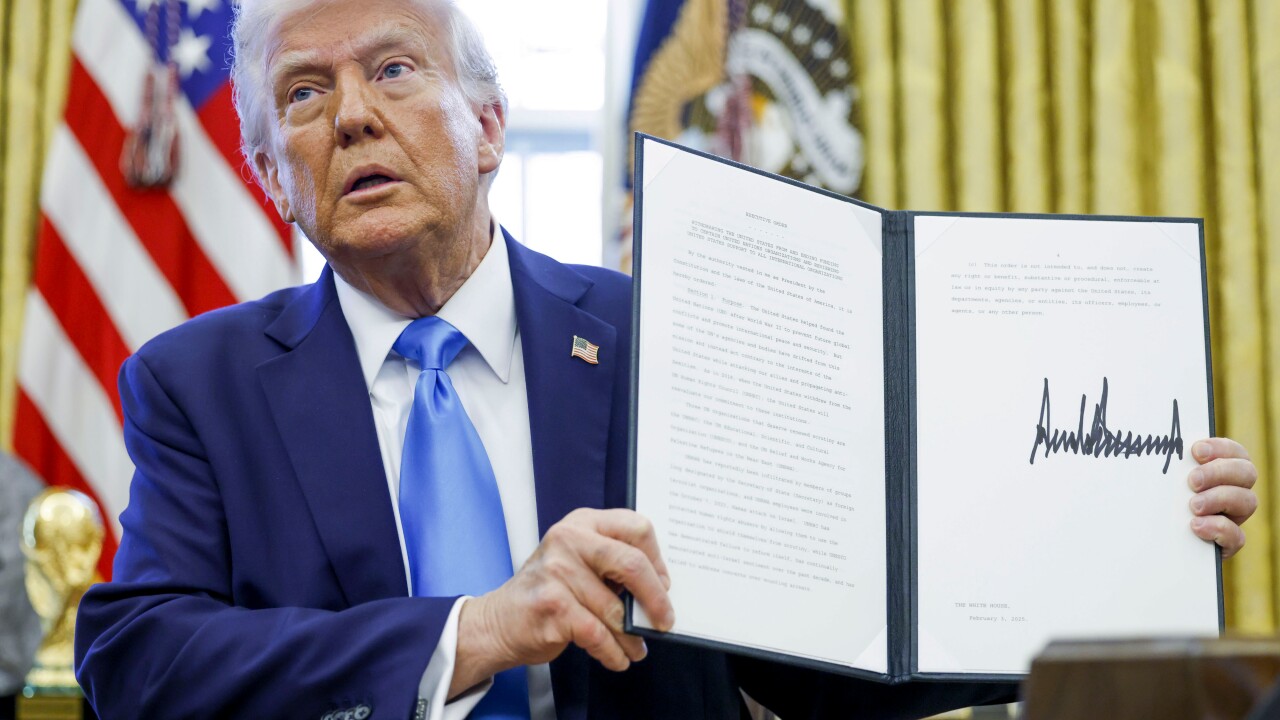
-
Committees in both the House and Senate will hold hearings this week about debanking — a term that means different things to different people.
 February 4


-

As stablecoins and other cryptocurrencies enter the mainstream, lawmakers in Illinois have imposed a new transaction tax on digital assets. It will raise costs for everyday consumers and drive away businesses.

-

Yes, banks' capital burden will decline, leaving more potential funds available for lending. But the big question is which banks will find a way to deploy those funds to generate meaningful returns.

-

Restrictions that limit access to private market investments are harmful to ordinary investors, who are denied better returns. They also seal off a large potential source of funding for long-term infrastructure investments.


