
Banking Politics & Policy News
American Banker's Politics & Policy coverage delivers news and analysis on how legislative action, federal agency rulemaking, regulatory politics, and public policy debates shape banking strategy, risk, competition, and compliance. Coverage explores congressional priorities, executive branch initiatives, regulatory agency actions, and the political forces that shape and impact the operating environment for financial institutions, payments companies, fintechs and distributed finance companies.
Bank leaders must navigate a dynamic policy environment where congressional action, regulatory priorities, and political forces influence capital standards, supervisory expectations, digital asset frameworks, deposit insurance, consumer rules, and competitive dynamics.
-
M&A, economic growth and artificial intelligence are among the leading issues banks will encounter this year, economists said.
 January 29
-
The nation's central bank held interest rates steady in its first decision of the year.
 January 29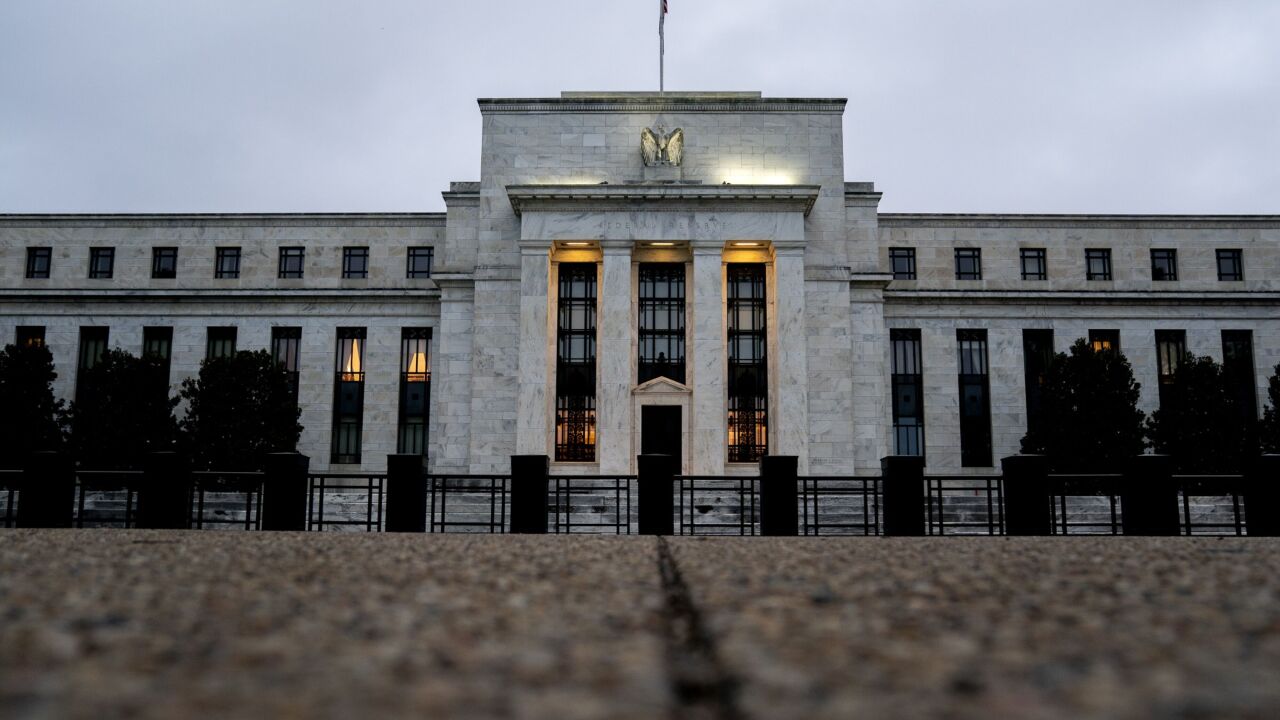
-
The Office of Management and Budget issued a sweeping directive Monday to overhaul the federal government to align with the Trump administration's priorities.
January 29
-
The National Treasury Employees Union told employees not to respond to the mass email asking federal workers to resign. The chief of staff at the Consumer Financial Protection Bureau said it is reviewing the directive.
 January 29
-
John Asbury, who is CEO of Atlantic Union Bankshares, said credit unions that compete head-to-head with for-profit banks should lose their tax-exempt status. He also called for bank regulation based on complexity rather than size.
January 28
-
The FEMA-operated program has over 4.7 million policies in force, and lawmakers have kept it intact via dozens of short-term extensions since 2017.
 January 28
-
The chair of the Senate Banking Committee said the Trump administration will soon address the future of the Consumer Financial Protection Bureau director. "I think we're going to be happy with the answer they give us and the person they give us as well," the Republican from South Carolina said.
 January 28


-

As stablecoins and other cryptocurrencies enter the mainstream, lawmakers in Illinois have imposed a new transaction tax on digital assets. It will raise costs for everyday consumers and drive away businesses.

-

Yes, banks' capital burden will decline, leaving more potential funds available for lending. But the big question is which banks will find a way to deploy those funds to generate meaningful returns.

-

Restrictions that limit access to private market investments are harmful to ordinary investors, who are denied better returns. They also seal off a large potential source of funding for long-term infrastructure investments.


