
Banking Politics & Policy News
American Banker's Politics & Policy coverage delivers news and analysis on how legislative action, federal agency rulemaking, regulatory politics, and public policy debates shape banking strategy, risk, competition, and compliance. Coverage explores congressional priorities, executive branch initiatives, regulatory agency actions, and the political forces that shape and impact the operating environment for financial institutions, payments companies, fintechs and distributed finance companies.
Bank leaders must navigate a dynamic policy environment where congressional action, regulatory priorities, and political forces influence capital standards, supervisory expectations, digital asset frameworks, deposit insurance, consumer rules, and competitive dynamics.
-
During his second day of congressional testimony this week, the Federal Reserve chair said the central bank does not have supremacy over other agencies on their joint rulemaking.
 July 10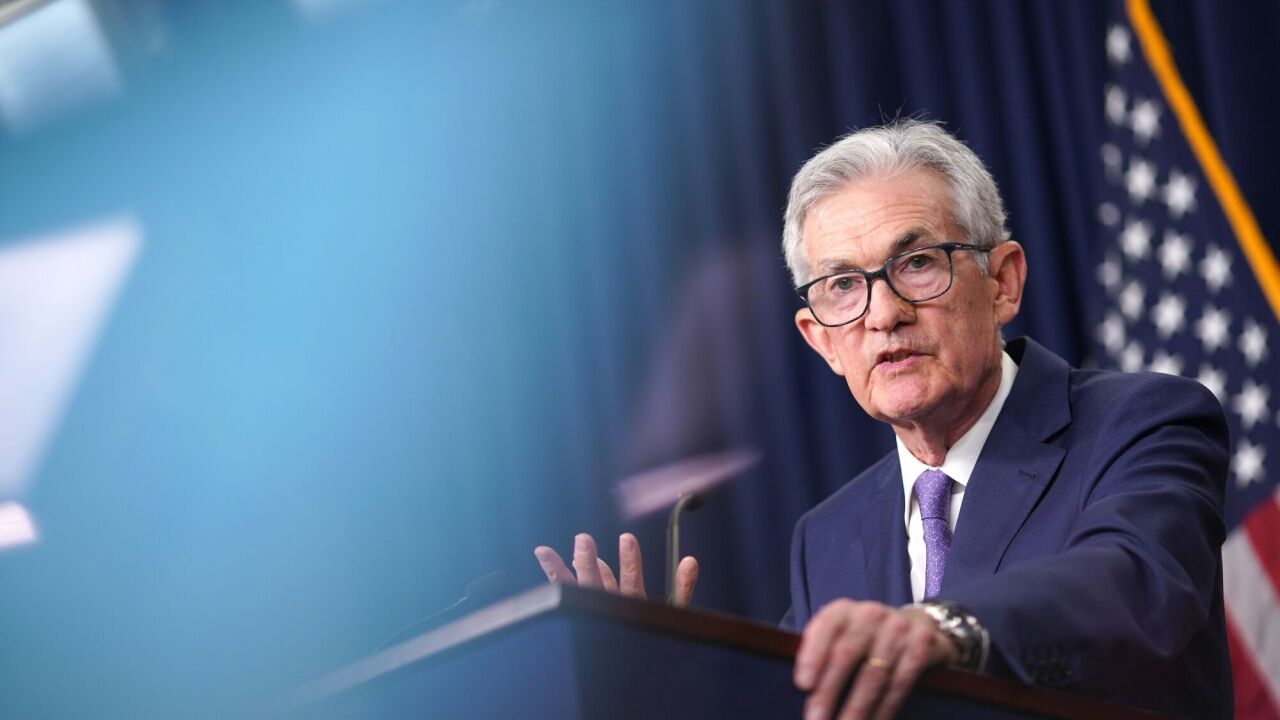
-
The Consumer Financial Protection Bureau has proposed requiring that mortgage servicers exhaust all efforts at assisting struggling borrowers before moving ahead with a foreclosure.
 July 10
-
Federal Deposit Insurance Corp. Board Members Jonathan McKernan and Rohit Chopra agreed on the value of clearer bank-fintech guidance to enhance regulatory clarity, foster innovation and ensure fair competition in the financial services sector.
 July 10
-
The Federal Reserve's top regulator praised industry efforts to expand access to banking services, but warned about financial stability risks.
July 9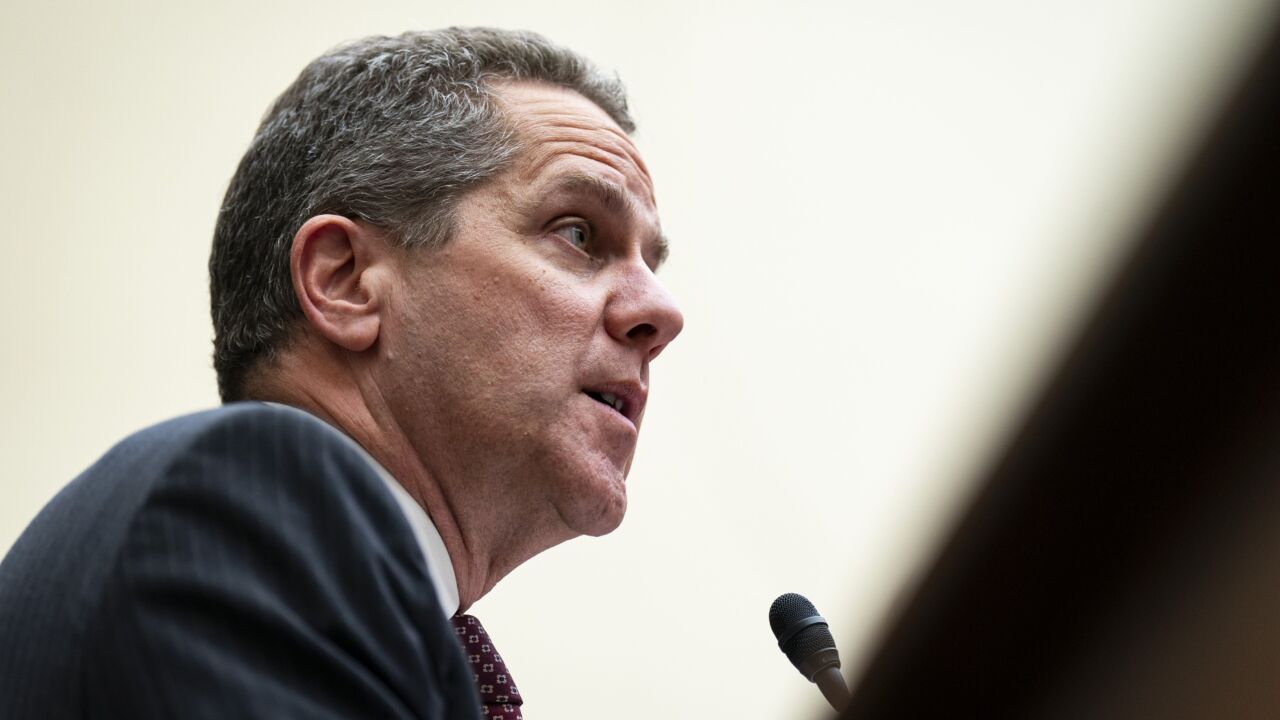
-
The Federal Reserve chair said there is a consensus within the central bank's board of governors for reproposing its capital rules, but notes that other agencies have not yet signed off on this approach.
July 9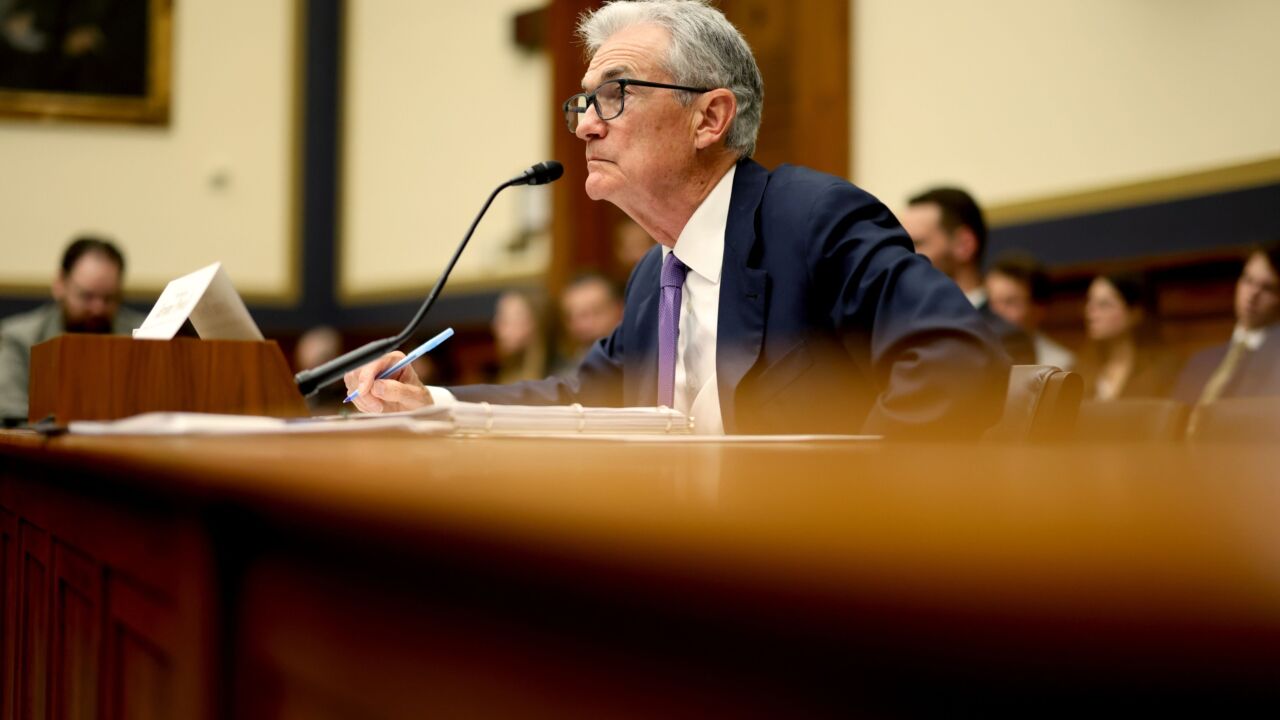
-
The lead lawyer on the case that overturned the decades old doctrine penned an amicus brief arguing that the lower court ruling raises constitutional questions about the Federal Reserve.
July 8
-
The agency has proposed a rule that would give it and the Committee on Foreign Investment in the United States broader authority over real estate transactions near military installations in 30 states.
July 8


-

As stablecoins and other cryptocurrencies enter the mainstream, lawmakers in Illinois have imposed a new transaction tax on digital assets. It will raise costs for everyday consumers and drive away businesses.

-

Yes, banks' capital burden will decline, leaving more potential funds available for lending. But the big question is which banks will find a way to deploy those funds to generate meaningful returns.

-

Restrictions that limit access to private market investments are harmful to ordinary investors, who are denied better returns. They also seal off a large potential source of funding for long-term infrastructure investments.


