
Banking Politics & Policy News
American Banker's Politics & Policy coverage delivers news and analysis on how legislative action, federal agency rulemaking, regulatory politics, and public policy debates shape banking strategy, risk, competition, and compliance. Coverage explores congressional priorities, executive branch initiatives, regulatory agency actions, and the political forces that shape and impact the operating environment for financial institutions, payments companies, fintechs and distributed finance companies.
Bank leaders must navigate a dynamic policy environment where congressional action, regulatory priorities, and political forces influence capital standards, supervisory expectations, digital asset frameworks, deposit insurance, consumer rules, and competitive dynamics.
-
The FDIC's newly unveiled policy statement on bank mergers could add strain to an already bleak outlook for mergers in the banking industry, particularly for larger banks.
 March 22
-
The change, which goes into effect April 1, delays when certain banks would have to change their assessment areas until 2026.
 March 22
-
The blockbuster merger is now in the hands of banking agencies and the Department of Justice, which will have to evaluate its impact on competition.
March 22
-
Top supervisory staffers from the Federal Reserve, Federal Deposit Insurance Corp. and Office of the Comptroller of the Currency defended their involvement with the Basel Committee during a contentious hearing in the House Financial Services Committee Thursday.
March 21
-
The FDIC proposed a new policy to intensify scrutiny on U.S. bank mergers Thursday that emphasizes the resulting institutions' financial stability and ability to serve its community's needs.
March 21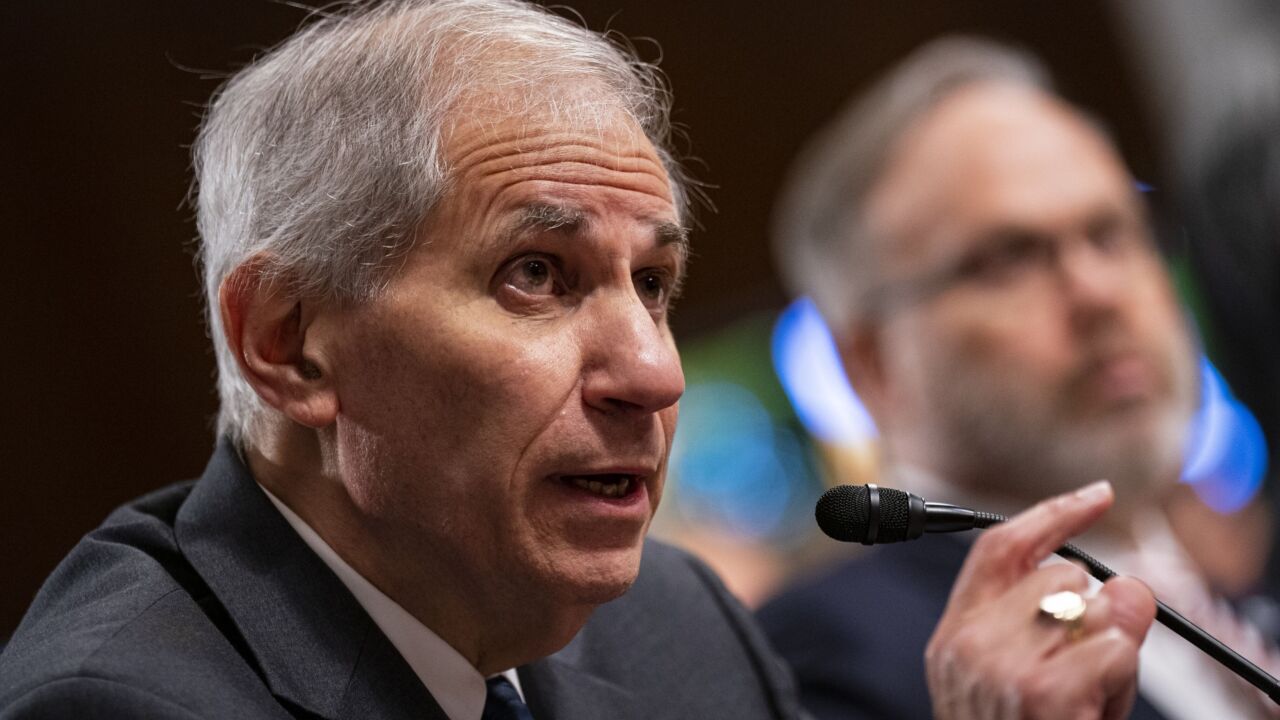
-
At an American Bankers Association event, Sen. Jon Tester, D-Mont., who's up for reelection this year, said that he hopes the Durbin-Marshall credit card bill won't go anywhere and criticized the Federal Reserve's debit interchange proposal.
 March 20
-
Federal Reserve Chair Jerome Powell said at the Federal Open Market Committee press conference Wednesday that a slower pace of reduction could help the central bank avoid shrinking its holdings further without disrupting the banking system.
March 20


-

As stablecoins and other cryptocurrencies enter the mainstream, lawmakers in Illinois have imposed a new transaction tax on digital assets. It will raise costs for everyday consumers and drive away businesses.

-

Yes, banks' capital burden will decline, leaving more potential funds available for lending. But the big question is which banks will find a way to deploy those funds to generate meaningful returns.

-

Restrictions that limit access to private market investments are harmful to ordinary investors, who are denied better returns. They also seal off a large potential source of funding for long-term infrastructure investments.


