
Banking Politics & Policy News
American Banker's Politics & Policy coverage delivers news and analysis on how legislative action, federal agency rulemaking, regulatory politics, and public policy debates shape banking strategy, risk, competition, and compliance. Coverage explores congressional priorities, executive branch initiatives, regulatory agency actions, and the political forces that shape and impact the operating environment for financial institutions, payments companies, fintechs and distributed finance companies.
Bank leaders must navigate a dynamic policy environment where congressional action, regulatory priorities, and political forces influence capital standards, supervisory expectations, digital asset frameworks, deposit insurance, consumer rules, and competitive dynamics.
-
The National Federation of Independent Business calls on the Treasury to delete beneficial ownership data collected under a now-paused rule, citing privacy risks and small-business burdens.
 April 11
-
A Department of Government Efficiency team is working with FDIC leadership to "increase efficiency," which could include cuts to contracts and streamlining staff. FDIC says DOGE staffers have "appropriate clearances."
April 10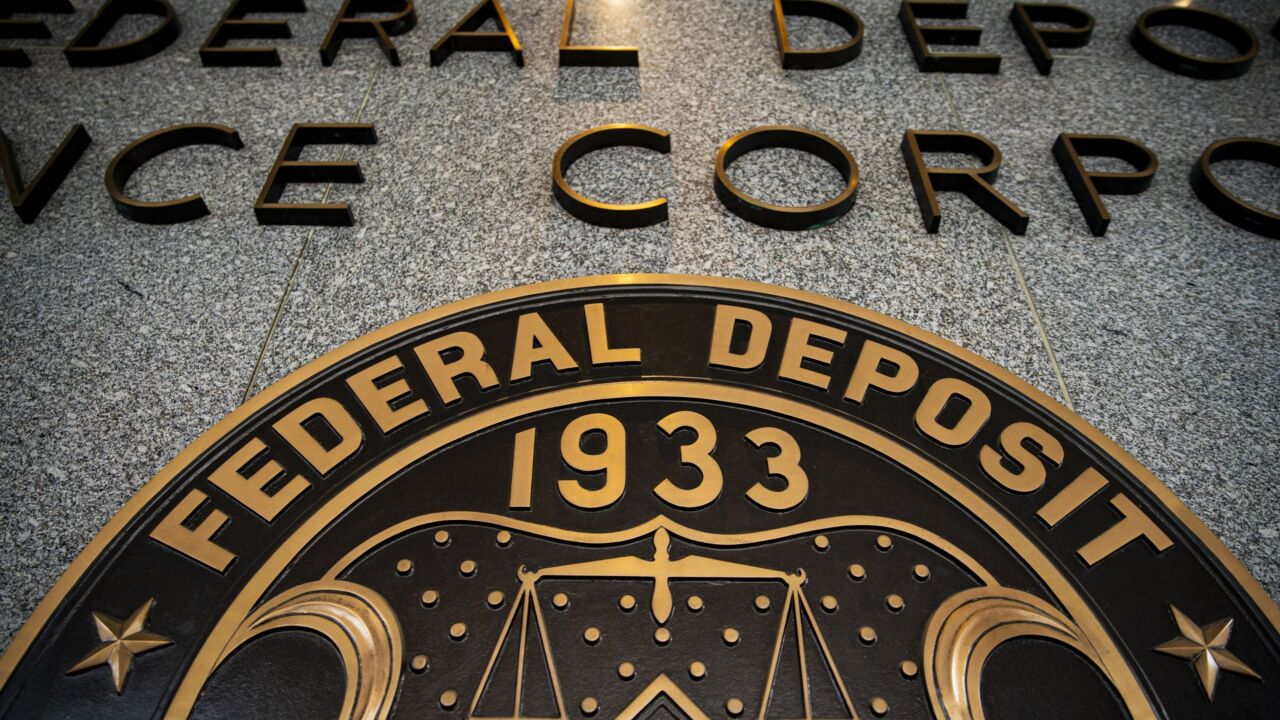
-
Versions of the bill were introduced in the House and Senate, raising odds that a national trigger lead ban could be near.
 April 10
-
Federal Reserve Bank of Chicago President Austan Goolsbee said to understand how banks are faring in the current environment of tariff-induced uncertainty, he'll be watching the relationship between credit spreads and equity markets.
 April 10
-
A recent letter addressed to the FHFA fueled a consumer advocacy group to look at salaries, which have been criticized as not aligned to the system's purpose.
 April 10
-
Federal Reserve Gov. Michelle Bowman, who has been nominated to be the central bank's top regulator, sidestepped direct questions about the Trump administration's incursion into the Fed's regulatory independence.
 April 10
-
Inflation cooled faster than expected last month, giving the Federal Reserve room to ease monetary policy if the economy weakens suddenly. But tariffs and other policy changes still cloud the outlook for monetary policy.
April 10


-

As stablecoins and other cryptocurrencies enter the mainstream, lawmakers in Illinois have imposed a new transaction tax on digital assets. It will raise costs for everyday consumers and drive away businesses.

-

Yes, banks' capital burden will decline, leaving more potential funds available for lending. But the big question is which banks will find a way to deploy those funds to generate meaningful returns.

-

Restrictions that limit access to private market investments are harmful to ordinary investors, who are denied better returns. They also seal off a large potential source of funding for long-term infrastructure investments.


