
Regulation and compliance


The acting comptroller of the currency says regulators are aligned on rule changes, but noted that forthcoming policy proposals are being driven by more than just recent bank failures.


-
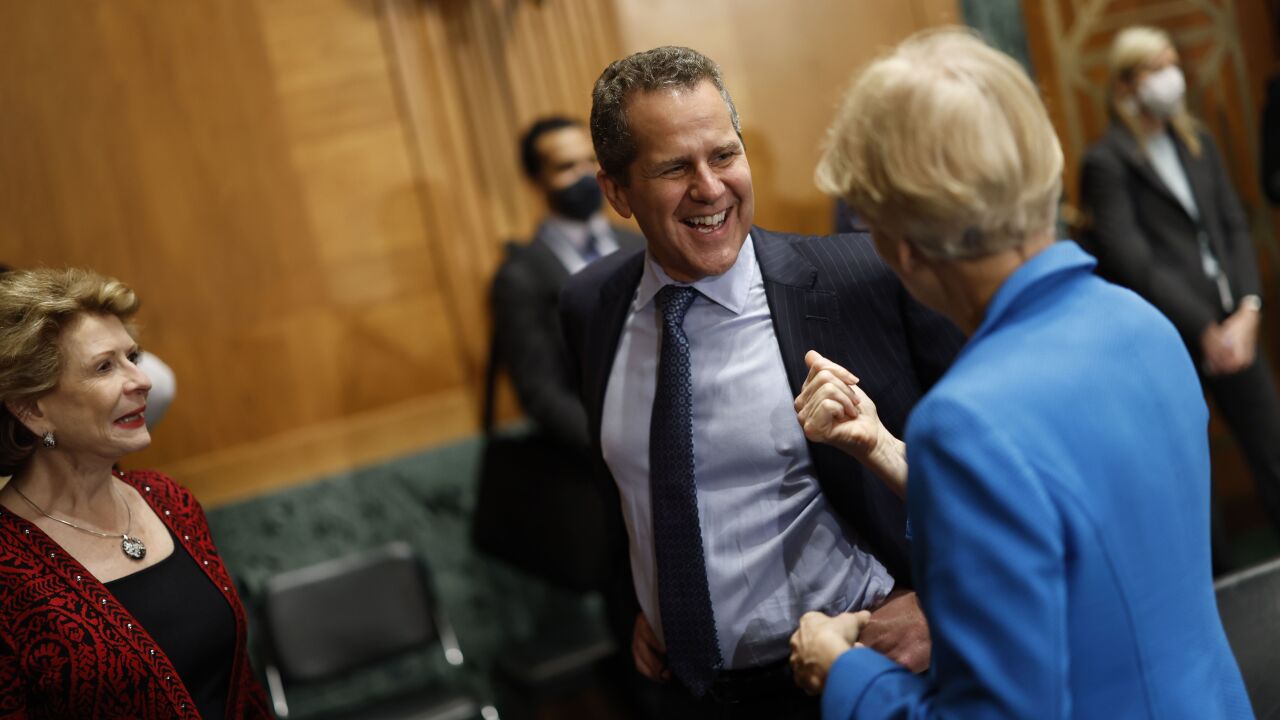
Banks say more transparency is needed in the annual scenario testing regime to make capital planning more predictable. But amid a flurry of regulatory reforms, the expectation is that capital requirements are only going up from here.
July 7 -

The Consumer Financial Protection Bureau wants to wipe out $9 billion a year in consumer costs by cutting credit card late fees to just $8. But consumer complaints about late fees remain low, and experts say that's because many first-time late fees are forgiven.
July 6


-

A challenge to the SEC's use of administrative law judges could have big implications for bank regulators. The FDIC, Fed, OCC and CFPB could be forced to go to federal court in cases that would otherwise be handled in-house.
July 5 -

Synthetic fraud — which combines real and false identifying information — has been a niche variety of identity theft for some time. But recent advancements in artificial intelligence and people's access to it might bring it into the mainstream in a big way.
July 4 -

Following regulatory stress tests, three midsize institutions expect to be required to maintain larger stress capital buffers. The reverse is true for four of the nation's largest banks.
June 30 -

Sen. Elizabeth Warren, D-Mass., in a letter to the Consumer Financial Protection Bureau, challenged the idea that credit card late fees serve as a deterrent to delinquency, instead saying issuers told her office that some of them earn tens of millions of dollars collecting late fees.
June 30 -

The Federal Reserve's stress tests suggested that larger banks are prepared to handle a severe economic downturn, though regional banks fared somewhat worse than their big-bank counterparts. Banks are expected to start revealing their latest capital return plans on Friday.
June 29 -
Banks and credit unions are often at odds, but when it comes to fighting the Consumer Financial Protection Bureau's proposed $8 late fee cap and changes to interchange fees, they have put their differences aside.
June 29 -

Bank of New York Mellon didn't think it would need to record on its balance sheet digital assets held in custody when it asked the New York State Department of Financial Services for permission to offer the service, according to a filing obtained by American Banker. The SEC has since said otherwise.
June 28


