
Regulation


Customers of banks that provide small-dollar loans are still turning to higher-cost lenders, according to a recent survey. The significance of the findings has sparked a debate between the payday lending industry and its critics.


-

Although no laws have yet passed, most of the bills introduced thus far do not consider EWA products to be loans. California is an exception.
May 19 -

In recent years, stress tests have not accounted for some very clear real-world risks. This must change immediately.
May 17


-

The San Francisco bank agreed to a deal with its shareholders after allegedly making misleading statements about its progress in resolving regulatory problems. The agreement is the second-largest bank class-action settlement in history.
May 16 -

Sen. Elizabeth Warren, D-Mass., led a group of Democratic lawmakers in writing to executives of large credit card issuers on their late fee policies and costs.
May 9 -

The Fed's report on the failure of Silicon Valley Bank describes a "shift" in supervisory culture that began five years ago. Some say the issue is much older than that.
May 8 -

Former First Republic CEO Mike Roffler told regulators earlier this year that the bank could fail according to its resolution plan, but the institution still needed extra help to stay afloat long enough to organize a sale without further harming the financial system.
May 4 -
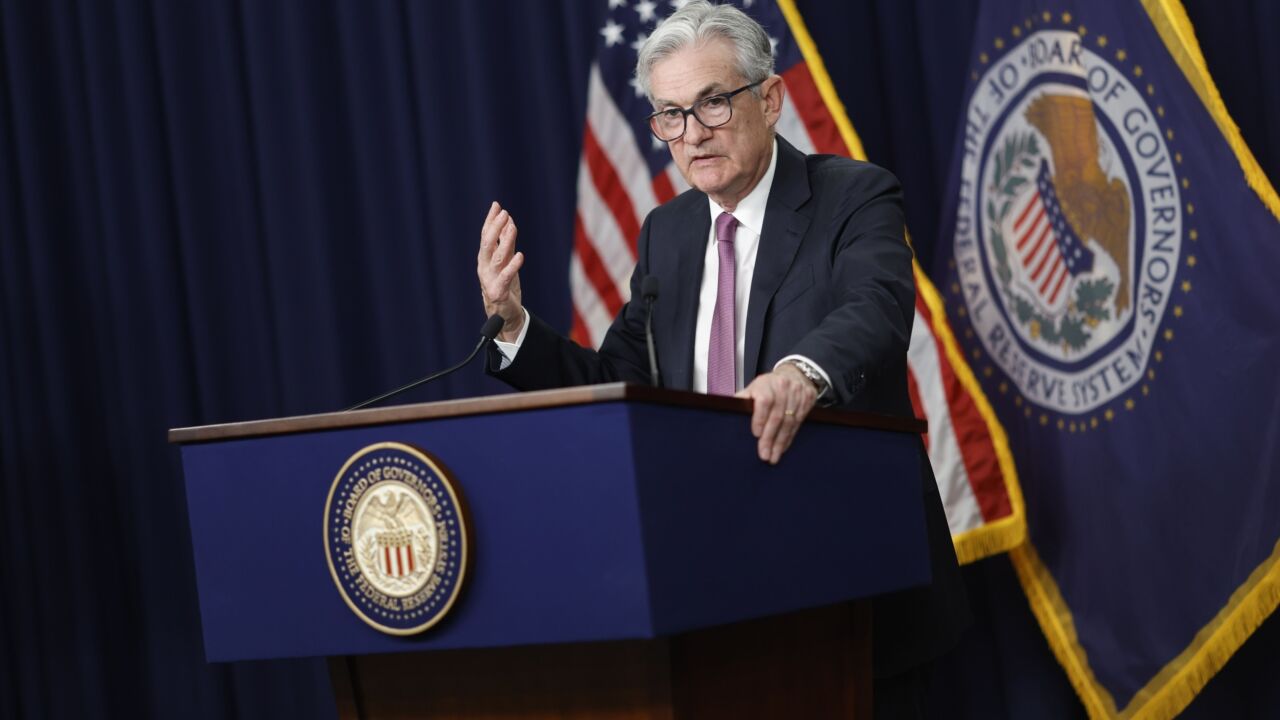
The Federal Reserve chair said he holds himself accountable for ensuring proper regulatory and supervisory changes are enacted in response to recent bank failures.
May 3 -

After years of implementing Dodd-Frank Act measures rules to streamline bank resolutions, regulators relied on their pre-crisis playbook to resolve Silicon Valley and First Republic banks. That choice has led some experts to question the rules' utility.
May 2 -

The United States needs to follow the lead of other countries by letting fintech firms test innovative products at the national level. Failure to do so could send promising new ideas overseas.
May 2


