
Stablecoins
How are banks approaching dollar-backed digital assets (stablecoins)?
Stablecoins have moved from the edge of the
Banks are testing stablecoins for cross-border payments, liquidity management, and digital wallets. Some are also exploring how stablecoins can support interbank transactions or be issued directly by regulated institutions. As the landscape takes shape, stablecoins are starting to look less like an experiment and more like infrastructure.
-
Protego Trust Bank in Seattle, a bank in formation with plans to open this year, named financial technology veteran Ron Totaro its first chief executive.
September 13
-
In an exclusive interview, the moderate Virginia Democrat and co-chair of the Community Development Financial Institution Caucus touched on the future of community development, cybersecurity and nonbank regulation.
 September 9
- AB - Policy & Regulation
The report from an office in the White House is the first public report issued pursuant to an executive order President Biden issued in March.
 September 8
-
Celsius Network, the bankrupt cryptocurrency lender, may have hidden its financial trouble from its investors and "engaged in improper manipulation of the price" of the platform's tokens to boost the company's balance sheet and financials, according to a new court filing.
September 7
-
Fintech and cryptocurrency firms competing with banks but subject to fewer regulations are "getting away with murder," said Eugene Ludwig, a former comptroller under the Bill Clinton administration.
September 6
-
Britain's prospects as a crypto hub remain uncertain after Liz Truss won the race to be its new prime minister, leaving entrepreneurs and investors wondering what policies — if any — await the digital asset industry under fresh leadership.
September 6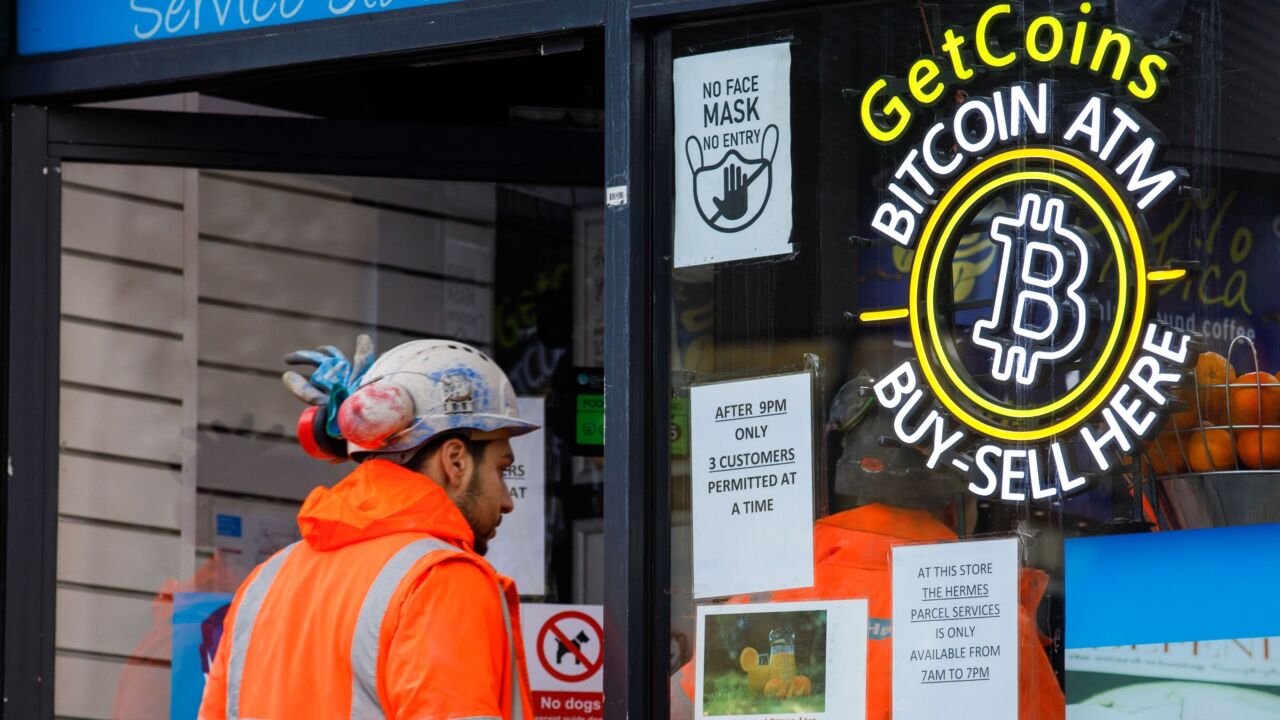
-
The 117th Congress has been surprisingly kind to the banking industry as a whole so far. Can the trend last through the fall?
September 2
-
Participants include Digital Asset and Ripple alongside others involved with foreign central bank digital currencies. The program is set to begin next month.
 September 1
-
Celsius Network, the bankrupt cryptocurrency lender, is seeking to give coins back to a sliver of users who are locked out of their accounts.
September 1 -
Flow Traders and Hudson River Trading have backed Sei Labs, a crypto startup founded by Goldman Sachs and Robinhood Markets veterans that is developing a blockchain aimed at speeding up decentralized finance transactions.
August 31


The first three months of the year coincide with the start of President Donald Trump's second term in office. Investors are likely to be more interested in banks' outlooks amid swings in tariff policy than the first-quarter results.


Frequently Asked Questions:
How are banks approaching dollar-backed digital assets (stablecoins)?
Stablecoins have moved from the edge of the crypto, world to the center of policy and banking conversations. As regulators and banks weigh their role in payments, settlement, and reserves, this page follows the developments — from early pilots to proposed legislation.
Banks are testing stablecoins for cross-border payments, liquidity management, and digital wallets. Some are also exploring how stablecoins can support interbank transactions or be issued directly by regulated institutions. As the landscape takes shape, stablecoins are starting to look less like an experiment and more like infrastructure.
Why are banks paying attention to stablecoins?
Stablecoins are increasingly viewed as a potential upgrade to legacy payments systems. Banks are evaluating them for settlement, remittances, cross-border transactions, and tokenized deposit models.Are banks issuing their own stablecoins?
Some are exploring the option. Institutions like JPMorgan (with JPM Coin) and new entrants like PayPal are piloting bank-issued stablecoins, while others are watching regulatory developments before moving forward.How do stablecoins impact compliance and risk?
Issues include KYC/AML enforcement, cybersecurity, operational risk, and how reserve assets are held and reported. Banks exploring stablecoin activity must weigh both technological benefits and regulatory scrutiny.How are regulators responding to stablecoin innovation?
Congress is debating stablecoin-specific bills focused on reserve backing, issuer licensing, and oversight. The Federal Reserve, OCC, and state regulators are also shaping how bank involvement in stablecoin activity is supervised.How are banks using stablecoin?
Banks are using stablecoins to speed up cross-border payments, manage liquidity across global branches in real time, and test new forms of settlement between institutions. Some are integrating stablecoins into retail-facing digital wallets, while others are exploring interbank networks built on tokenized payments. These efforts are less about crypto speculation and more about making money move faster, with greater transparency and fewer intermediaries.- Real-time cross-border payments
- Internal liquidity management
- Retail-facing digital wallets
- Interbank tokenized payment networks
Top banks investing in stablecoin
List of institutions with greatest investment in stablecoin:- JPMorgan Chase – JPM Coin
- Custodia Bank – Avit Tokens
- Citigroup - Citi Token Services
- Societe Generale - USD CoinVertible
- Bank of America - Name yet to be released
- Fifth Third - Name yet to be released
- U.S. Bancorp - Name yet to be released