
Stablecoins
How are banks approaching dollar-backed digital assets (stablecoins)?
Stablecoins have moved from the edge of the
Banks are testing stablecoins for cross-border payments, liquidity management, and digital wallets. Some are also exploring how stablecoins can support interbank transactions or be issued directly by regulated institutions. As the landscape takes shape, stablecoins are starting to look less like an experiment and more like infrastructure.
-
The cryptocurrency conglomerate Digital Currency Group closed its wealth management division, the latest sign of trouble amid a deep and prolonged slump in the crypto industry.
January 6
-
When U.S. banks fell like dominoes during the Great Depression, the cause was often a classic run: Depositors withdrew cash en masse amid fears that lenders were amassing huge losses on bad loans and investments. The cryptocurrency era just put a new twist on that.
January 6
-
U.S. authorities are ratcheting up pressure on Sam Bankman-Fried's inner circle as they scrutinize former close FTX associate Nishad Singh, according to people familiar with the matter.
January 5
-
The Securities and Exchange Commission is pushing back on Binance.US's plan to buy the bankrupt crypto lender Voyager Digital, a deal valued at about $1 billion, according to a bankruptcy court filing.
January 5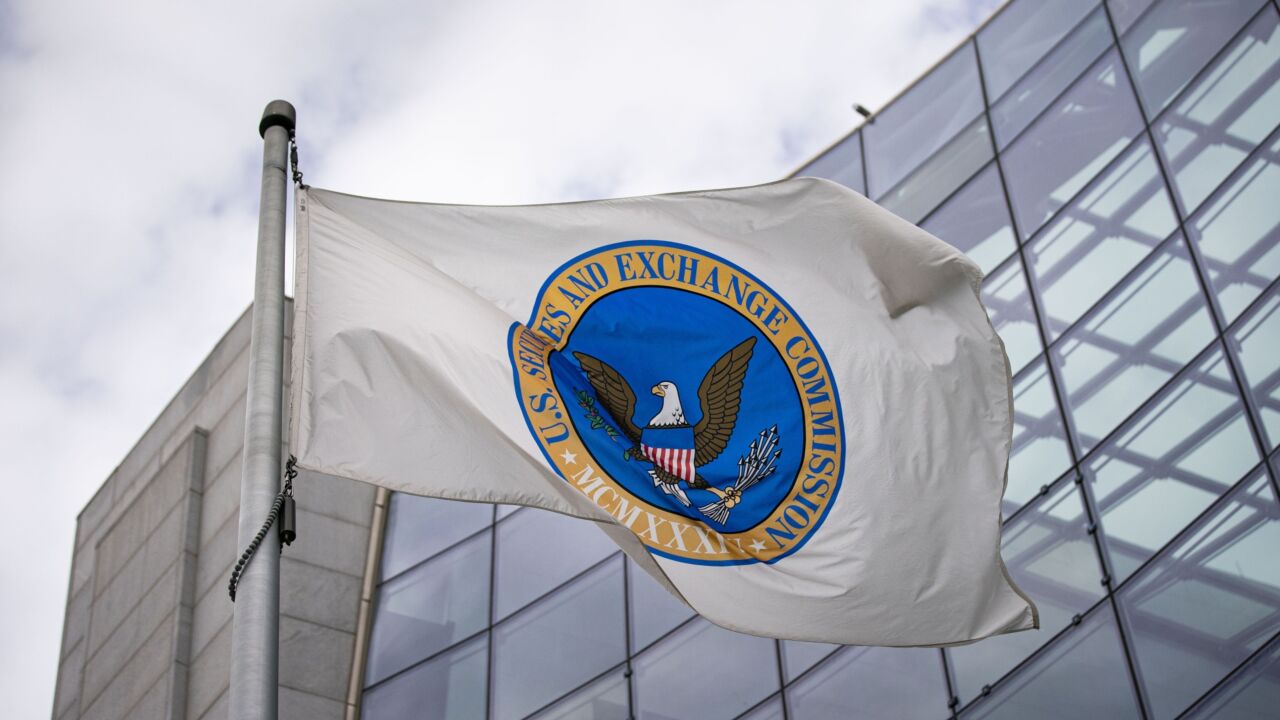
-
Nadine Chakar will take the helm at Securrency from current CEO Dan Doney, who will become chief technology officer.
 January 5
-
Genesis Global Trading has laid off more than 60 employees in its latest round of job cuts, amounting to roughly 30% of the troubled crypto brokerage's workforce.
January 5
-
Former Celsius Network Chief Executive Alex Mashinsky, whose once highflying crypto lender went bankrupt last year, was sued for fraud by the New York attorney general — the latest fallout from turmoil in the industry.
January 5
-
The crypto broker Genesis told clients in a new update that it needs more time to come up with a solution for the troubles at its lending unit.
January 4
-
Coinbase Global, the largest U.S. cryptocurrency exchange, said its U.S. unit reached a $100 million settlement with New York regulators for letting customers open accounts with insufficient background checks.
January 4
-
In a joint statement, the Federal Reserve, Federal Deposit Insurance Corp. and Office of the Comptroller of the Currency said issuing and holding cryptocurrencies is "likely to be inconsistent with safe and sound banking practices."
 January 3


The first three months of the year coincide with the start of President Donald Trump's second term in office. Investors are likely to be more interested in banks' outlooks amid swings in tariff policy than the first-quarter results.


Frequently Asked Questions:
How are banks approaching dollar-backed digital assets (stablecoins)?
Stablecoins have moved from the edge of the crypto, world to the center of policy and banking conversations. As regulators and banks weigh their role in payments, settlement, and reserves, this page follows the developments — from early pilots to proposed legislation.
Banks are testing stablecoins for cross-border payments, liquidity management, and digital wallets. Some are also exploring how stablecoins can support interbank transactions or be issued directly by regulated institutions. As the landscape takes shape, stablecoins are starting to look less like an experiment and more like infrastructure.
Why are banks paying attention to stablecoins?
Stablecoins are increasingly viewed as a potential upgrade to legacy payments systems. Banks are evaluating them for settlement, remittances, cross-border transactions, and tokenized deposit models.Are banks issuing their own stablecoins?
Some are exploring the option. Institutions like JPMorgan (with JPM Coin) and new entrants like PayPal are piloting bank-issued stablecoins, while others are watching regulatory developments before moving forward.How do stablecoins impact compliance and risk?
Issues include KYC/AML enforcement, cybersecurity, operational risk, and how reserve assets are held and reported. Banks exploring stablecoin activity must weigh both technological benefits and regulatory scrutiny.How are regulators responding to stablecoin innovation?
Congress is debating stablecoin-specific bills focused on reserve backing, issuer licensing, and oversight. The Federal Reserve, OCC, and state regulators are also shaping how bank involvement in stablecoin activity is supervised.How are banks using stablecoin?
Banks are using stablecoins to speed up cross-border payments, manage liquidity across global branches in real time, and test new forms of settlement between institutions. Some are integrating stablecoins into retail-facing digital wallets, while others are exploring interbank networks built on tokenized payments. These efforts are less about crypto speculation and more about making money move faster, with greater transparency and fewer intermediaries.- Real-time cross-border payments
- Internal liquidity management
- Retail-facing digital wallets
- Interbank tokenized payment networks
Top banks investing in stablecoin
List of institutions with greatest investment in stablecoin:- JPMorgan Chase – JPM Coin
- Custodia Bank – Avit Tokens
- Citigroup - Citi Token Services
- Societe Generale - USD CoinVertible
- Bank of America - Name yet to be released
- Fifth Third - Name yet to be released
- U.S. Bancorp - Name yet to be released