-
Federal Reserve Gov. Michael Barr said in a speech Tuesday afternoon that he wants to see a durable and reliable reduction in consumer price inflation before he considers cutting the central bank's interest rates.
 March 24
-
Federal Reserve Gov. Stephen Miran said it is too early to judge how U.S. involvement in the war with Iran will affect inflation and monetary policy.
March 23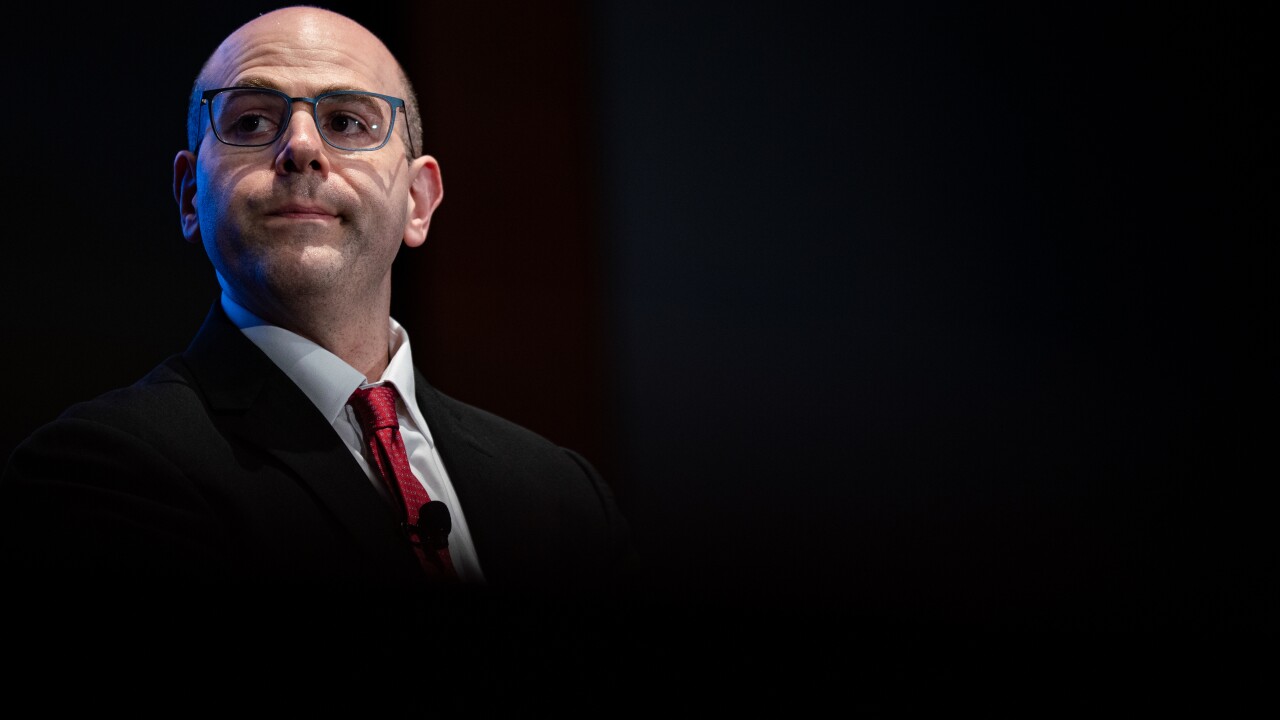
-
The Federal Open Market Committee is widely expected to keep interest rates steady when it concludes its regular meeting tomorrow, but rising uncertainty about inflation in the wake of the Iran war is clouding the monetary policy outlook.
March 17
-
Federal Reserve Gov. Lisa Cook said AI could boost productivity, but warned the transition may raise unemployment and force difficult tradeoffs between inflation and jobs.
February 24
-
Federal Reserve Bank of Chicago President Austan Goolsbee said the central bank should focus on getting inflation to its 2% target before making any additional cuts to short-term interest rates.
February 24
-
Federal Reserve Gov. Christopher Waller said during an appearance Monday his decision on whether or not to support a cut to short-term interest rates depends on labor market indicators.
February 23
-
In a speech Tuesday, Federal Reserve Gov. Michael Barr said it was possible that artificial intelligence will boost productivity in an undisruptive way. But he said policymakers should also be wary of a financial crash if those gains are not realized or a rapid adoption that could lead to labor displacement.
 February 17
-
The Bureau of Labor Statistics released its January Consumer Price Index Friday, showing that inflation rose 0.2%, while the annual rate eased to 2.4% after holding at 2.7% for several months. The data reduces the likelihood that the Federal Reserve will cut interest rates in the near future.
February 13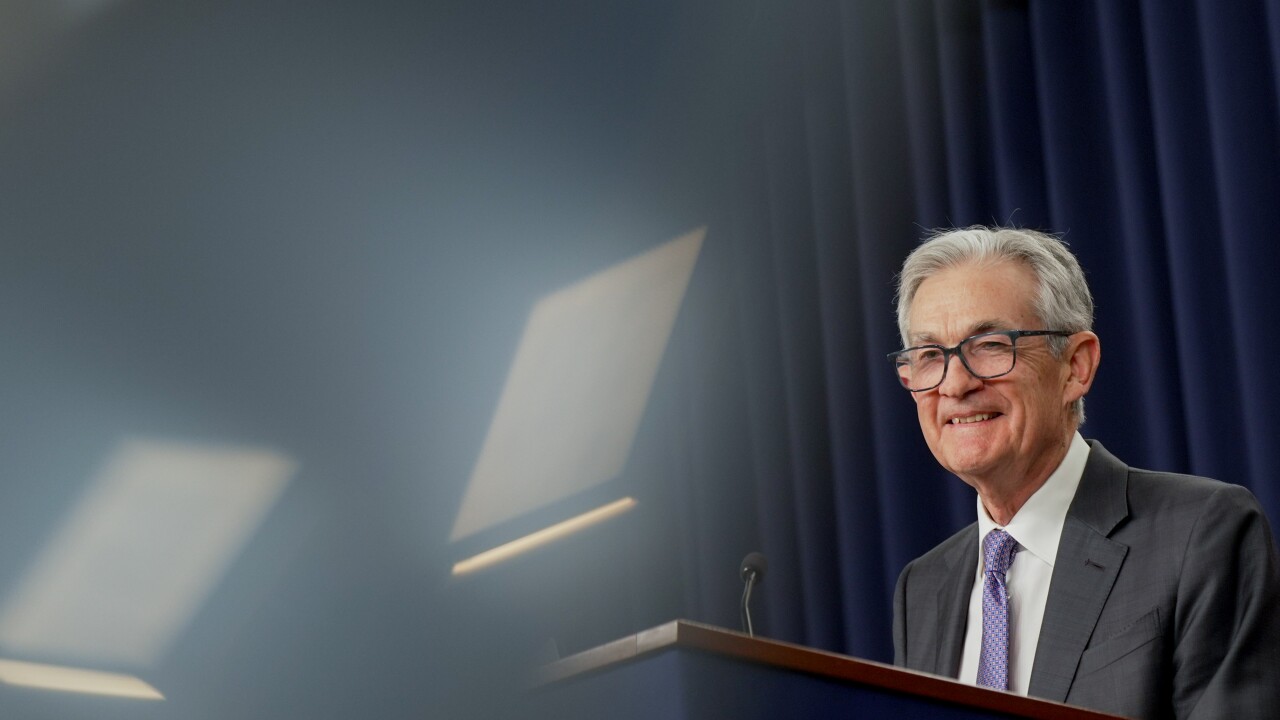
-
In a future world where AI agents transacting in stablecoins are a major factor in the U.S. economy, the Fed's traditional metrics for identifying an economic downturn will leave policymakers dangerously behind the curve.
February 10
-
Federal Reserve Chair Jerome Powell said recent data suggests less tension between the employment and inflation sides of the central bank's dual mandate, reducing the need for an immediate policy change.
January 28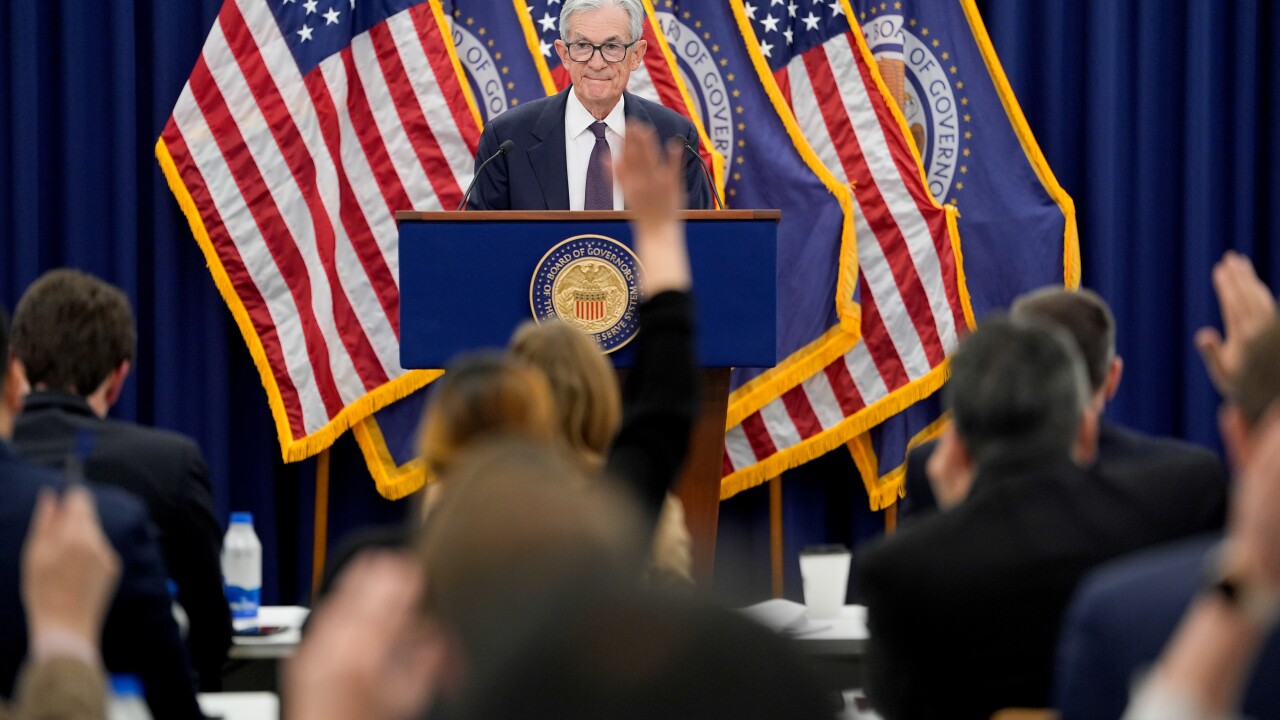
-
As the Federal Open Market Committee announces its near-term interest rate plans Wednesday, market watchers expect the central bank to hold interest rates steady as policymakers seek greater clarity on the health of the economy.
January 28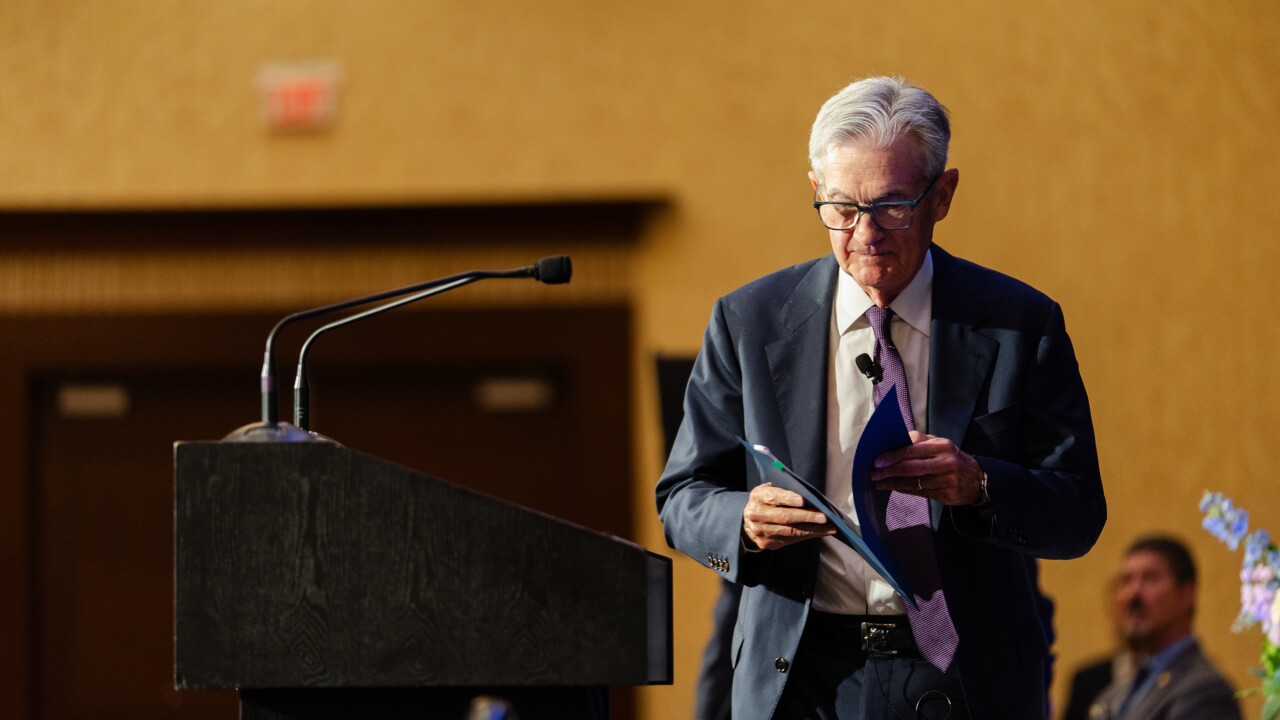
-
Federal Reserve Vice Chair for Supervision Michelle Bowman warned that labor market conditions could weaken further and said the central bank should avoid signaling a pause in monetary policy.
January 16
-
A week after President Trump demanded a 10% cap on credit card interest rates, top executives at big banks protested the idea in blunt terms.
January 14
-
Employers added 50,000 jobs in December, with gains in service industries while broader sectors remained mostly flat, supporting the Fed's cautious stance on further rate cuts.
January 9
-
Minneapolis Federal Reserve President Neel Kashkari said on CNBC that both sides of the central bank's dual mandate show signs of imbalance, with the labor market appearing more vulnerable.
January 5
-
Kansas City Federal Reserve President Jeffrey Schmid and Chicago Fed President Austan Goolsbee said in statements Friday that their dissents from this week's interest rate decision were spurred by inflation concerns and a lack of sufficient economic data.
December 12
-
Fed Chair Jerome Powell, speaking at a press conference after the December FOMC meeting, said the central bank is holding interest rates steady until it gets more clarity on the economy.
December 10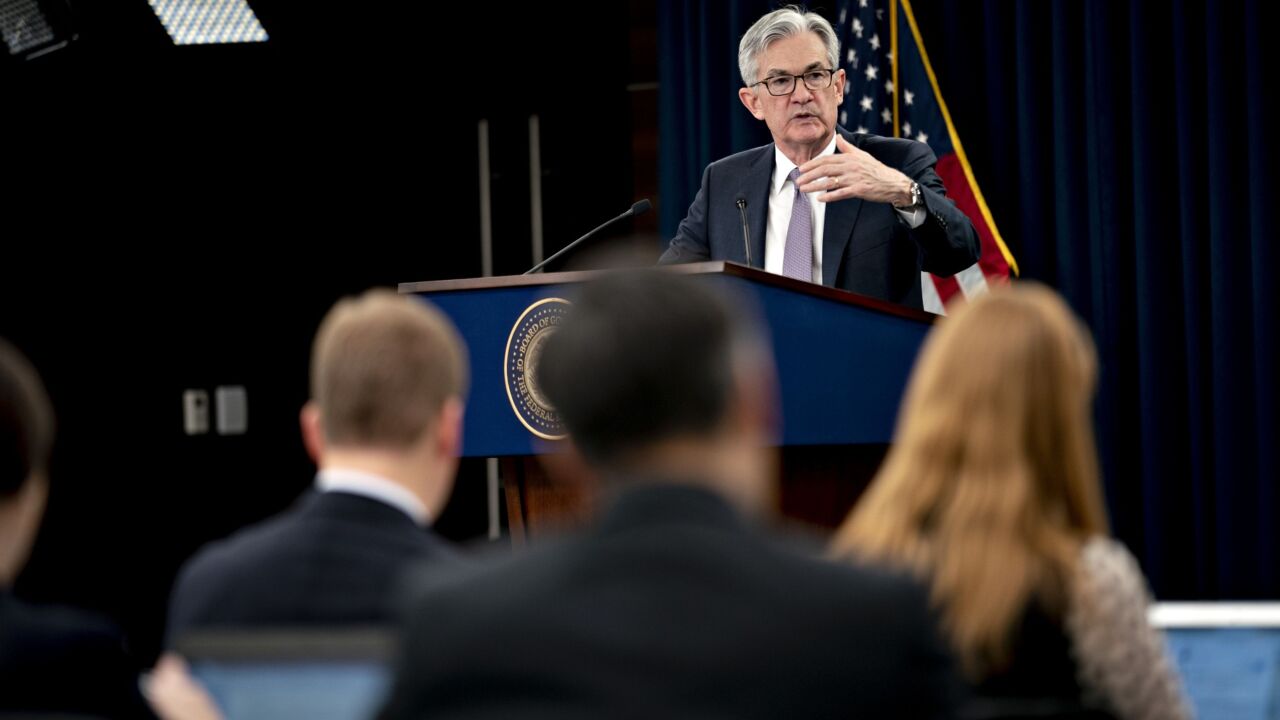
-
The Federal Reserve's interest rate-setting committee is widely expected to cut rates by 25 basis points today, but where the central bank goes from here is an open question.
December 10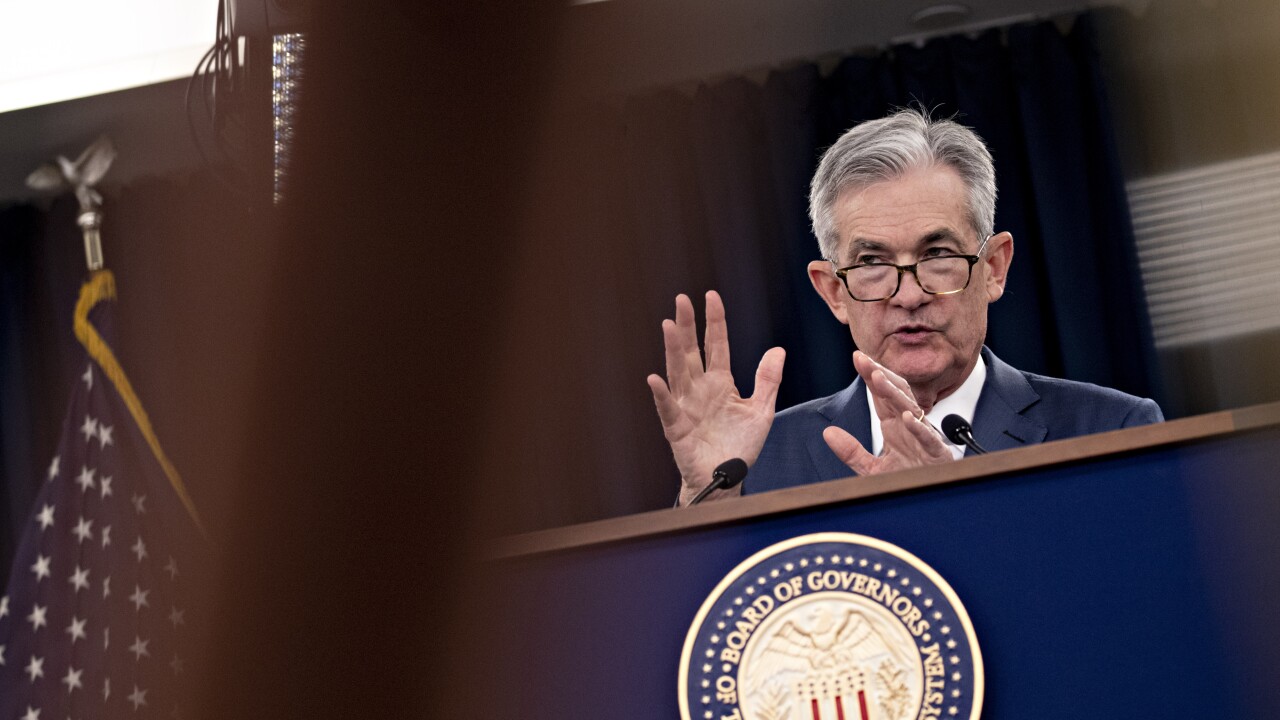
-
Federal Reserve watchers expect a board of governors vote in February to reappoint the 12 regional Fed bank presidents — which is typically treated as a formality — to be the next flashpoint in the White House's effort to bring the central bank to heel.
December 8
-
Federal Reserve Gov. Christopher Waller said in a speech Monday that private and public-sector data suggests that the labor market is continuing to weaken, making a 25 basis point rate cut in December a prudent choice.
November 17


