-
The Federal Reserve's monetary policy committee is expected to leave interest rates unchanged again Wednesday amid reports of renewed economic growth in the second quarter and despite ramped up pressure from the White House to cut rates.
July 30
-
President Trump and Senate Banking Committee Chair Tim Scott, R-S.C., visited the Federal Reserve Board headquarters Thursday afternoon to inspect ongoing renovations whose cost overruns have heightened scrutiny of Fed chair Jerome Powell.
 July 24
-
Monetary policymakers have held off on lower interest rates for months, citing the risk of tariff-induced inflation. Several now say this week's CPI and PPI reports confirmed their suspicions.
 July 17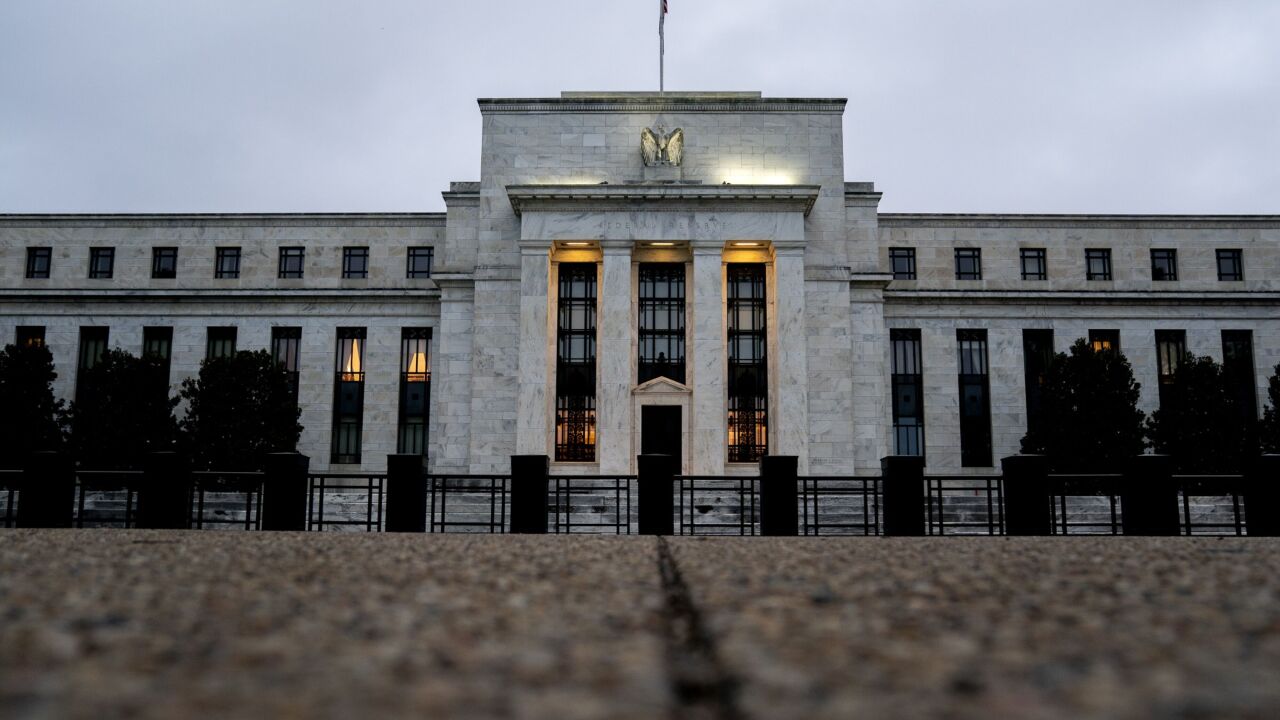
-
Lorie Logan, president of the Federal Reserve Bank of Dallas, said in a speech Wednesday that she is content to leave interest rates where they are, adding that she would want to see inflation fall to 2% before considering cuts.
 July 16
-
President Trump and his lieutenants have been bullying Federal Reserve Chair Jerome Powell for months over the Fed's reluctance to lower interest rates. But even if that campaign is successful, the president may not really get what he wants.
July 15 American Banker
 -
Historically high interest rates and falling late-payment rates suggest that credit card issuers are tightening their underwriting standards amid economic uncertainty.
 July 11
-
New research from the Federal Reserve Banks of New York and San Francisco says markets put the odds of zero interest rates lower today than in the recent past, but economic uncertainty raises the potential for drastic cuts in the "medium to long term."
July 7
-
Treasuries tumbled after a stronger-than-expected jobs report for June prompted traders to exit bets on an interest-rate cut by the Federal Reserve this month.
July 3
-
The president and his allies have stepped up their verbal attacks on the Federal Reserve and its chairman in recent weeks, and while the tough talk has not changed policy, it has sent a clear message to the financial sector.
July 3
-
As they rewrite the strategy document that guides their interest-rate decisions, Federal Reserve officials are trying to figure out how to embrace the labor market lessons learned before and during the pandemic.
June 12
-
A recent deal involving a troubled Texas bank shows that even the most lopsided depository can find an exit.
 May 26
-
Bond yields are shooting up for the second time in as many months. Federal Reserve Gov. Christopher Waller attributes the volatility to concerns about rising national debt levels.
May 22
-
"I worry a lot about the inflation side, and mainly because we're seeing expectations move in a troublesome way," Federal Reserve Bank of Atlanta President Raphael Bostic said.
May 19
-
The Bureau of Labor Statistics reported that the economy grew 177,000 jobs in April, beating expectations and giving the Federal Reserve little reason to adjust interest rates in the near term.
May 2
-
For the first time in four years, more small businesses reported a drop in income than an increase, according to a survey by the 12 regional Federal Reserve banks.
 March 27
-
The nation's central bank held interest rates steady in its first decision of the year.
January 29 -
The Labor Department estimates the economy added 256,000 jobs in December, indicating a resilient economy and labor market. For the Federal Reserve, which was already signaling a slowdown in rate cuts, the reading could justify holding rates steady.
January 10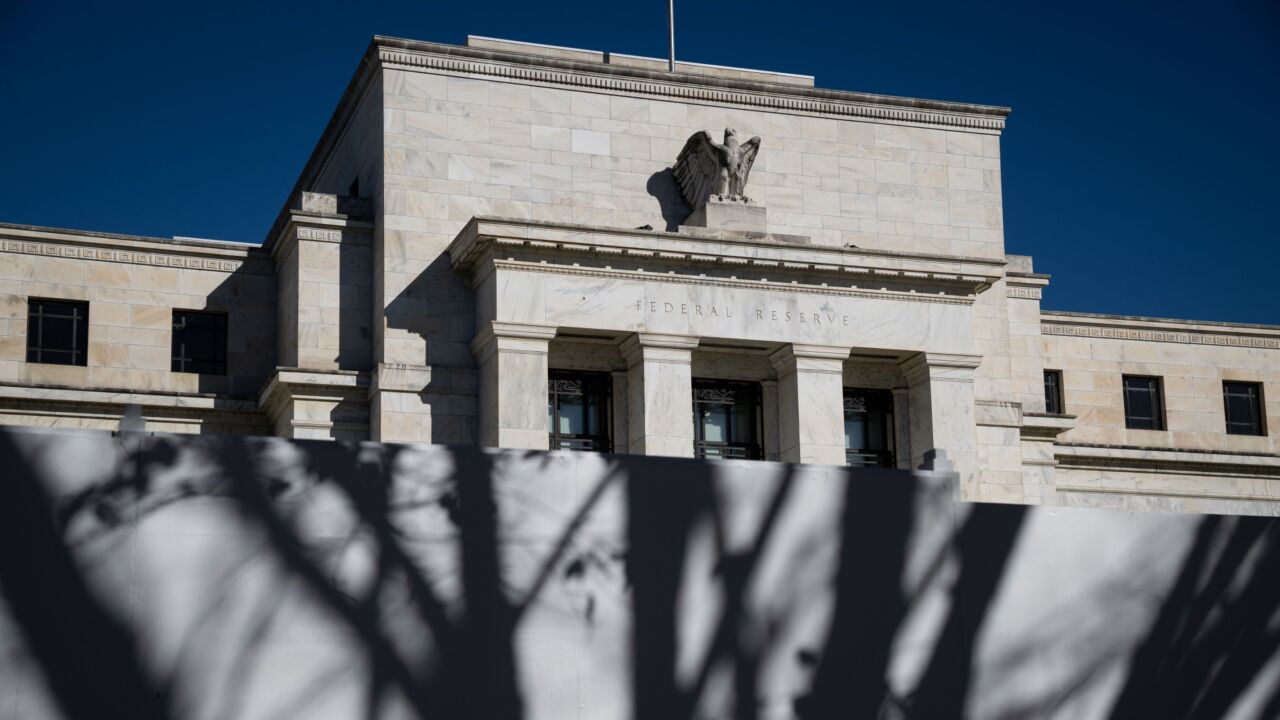
-
The financial data firm Intercontinental Exchange is buying the firm that runs the Ameribor interest rate benchmark, which some community and regional banks back as a LIBOR alternative.
January 8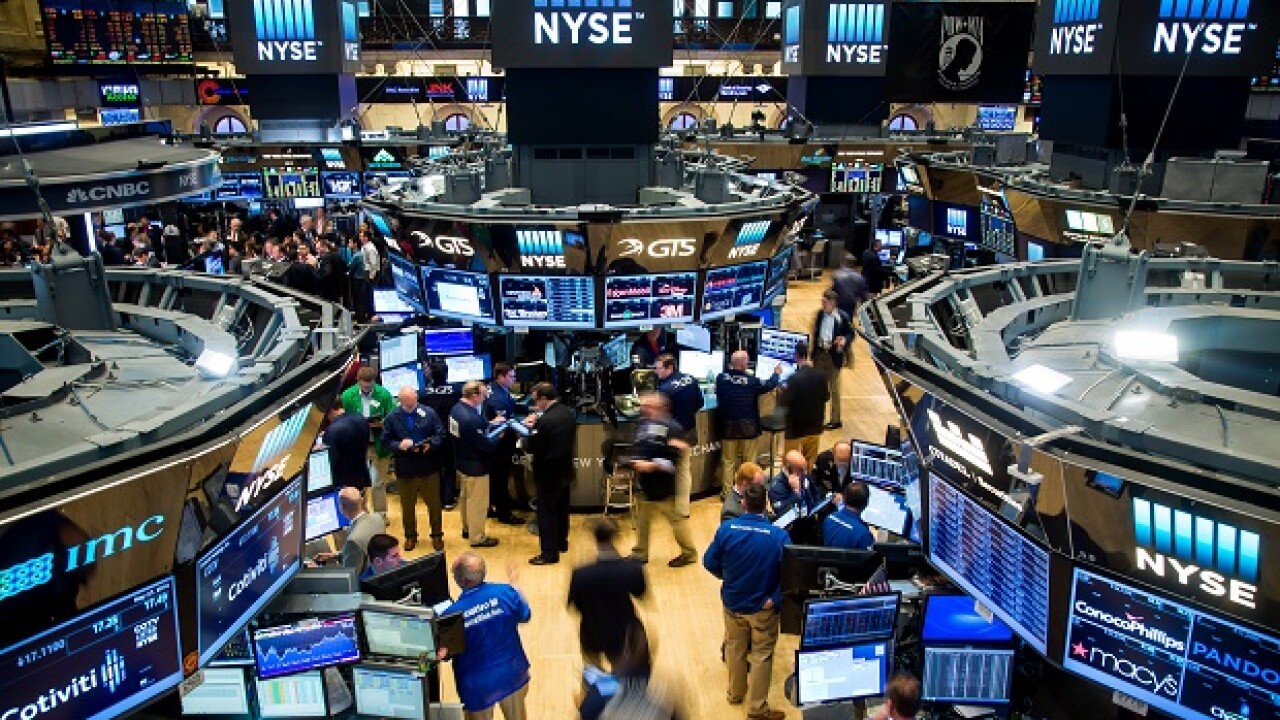
-
The industry should save on interest expenses this year as it follows the Fed's lead in cutting rates. The downside is that the lower deposit rates signal fewer opportunities to make loans.
January 7
-
The Federal Reserve Bank of Richmond president said while he believes the central bank's current level of rates is restraining the economy enough to continue lowering inflation in 2025, there are still upside risks to inflation and growth.
January 3


