-
A federal appeals court ruled in favor of the Consumer Financial Protection Bureau, setting up a court split ahead of a highly anticipated Supreme Court hearing in October. The Fifth Circuit previously ruled that the agency's funding mechanism violates the Constitution's separation of powers doctrine.
 March 23
-
A federal judge allowed a Jeffrey Epstein victim to proceed with a claim that the banks knowingly benefited from Epstein's sex trafficking by providing him with financial services. But the judge dismissed the top counts in two suits.
March 20
-
JPMorgan Chase is suing the former executive to hold him responsible for any damages stemming from lawsuits accusing the bank of facilitating Jeffrey Epstein's sex-trafficking.
March 8
-
The San Francisco fintech made its name in refinancing student loans. Now it contends that a moratorium for federal student debt payments — put in place near the start of the pandemic — has cost it at least $150 million in profits.
 March 8
-
The Ohio-based bank concentrated most of its lending branches in majority-white neighborhoods and did nothing to compensate for its lack of physical presence, the DOJ claims.
 March 2
-
Consumer Financial Protection Bureau Director Rohit Chopra says the bureau is continuing with its enforcement agenda and that financial firms face risks from the Supreme Court case.
February 28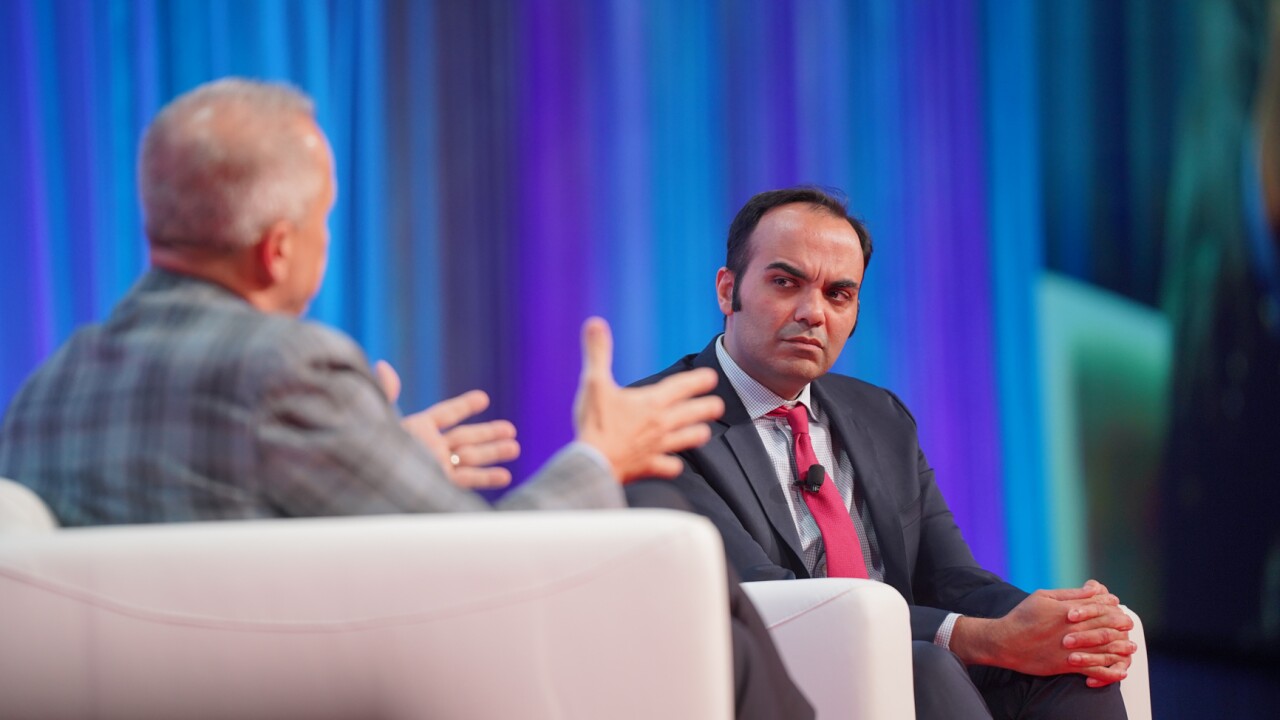
-
Charlie Javice claimed in a court filing that she was being scapegoated for the bank's faulty due diligence and that it was JPMorgan that asked her to come up with "synthetic data" on Frank users.
February 28
-
Toronto-Dominion Bank is on the hook for $1.2 after settling litigation over its connection to a massive Ponzi scheme, and Independent Bank Group in Texas agreed to pay $100 million. A third bank, HSBC, settled for a smaller amount.
 February 27
-
The high court's inevitable decision on the constitutionality of the Consumer Financial Protection Bureau's funding structure will tell us a lot about how radical the court is willing to be.
February 21 American Banker
 -
The Consumer Financial Protection Bureau has asked the high court to overrule a lower-court decision that threatens its funding structure. The justices didn't accept the case on Tuesday, but experts say it could still make the cut in the coming week.
February 21
-
The Wyoming-base crypto bank accused the Federal Reserve Board of working with the White House to block its access to the central bank's services.
 February 17
-
A federal judge in California ordered the high-cost lender CashCall to pay $134 million in restitution and a hefty fine for collecting unjust gains from consumers. He had previously ordered no restitution but was reversed by the Ninth Circuit Court of Appeals.
 February 14
 -
A reporter tried for more than two years to speak with Michael Bacon, the megabank's former chief security officer. Bacon eventually sat for around 30 interviews, painting a detailed picture of the Wells executive suite as the fake-accounts scandal unfolded.
February 9
-
The bank's delay in investigating the case forced the plaintiff to resign from the bank in July 2021, according to the complaint. Wells said that it takes allegations of misconduct "very seriously."
 February 8
-
JPMorgan Chase pushed back on allegations that its former executive Jes Staley "personally observed" Jeffrey Epstein's abuse, calling them "unsupported" and "conclusory."
February 8
-
As the cryptocurrency mania raged, Congress took a hands-off approach, keeping the fast-growing industry in legal limbo as it spawned startups and drew billions of dollars from investors. That's left it to the courts to deal with the wreckage.
February 8
-
Wells Fargo will pay $300 million to settle a lawsuit claiming it improperly charged customers for unneeded auto-collision protection insurance — and hid the practice from investors.
February 7
-
A former Coinbase Global manager admitted participating in a scheme to trade on confidential information about when the exchange was going to list new tokens.
February 7
-
Signature Bank was accused in a lawsuit by an investment firm of facilitating the FTX collapse by allowing the now-defunct crypto exchange to commingle customer accounts with its blockchain network.
February 7
-
Townstone Financial in Chicago had been accused of discriminating against certain consumers by trying to discourage them from applying for home loans. However, a judge ruled that federal law protects only actual applicants.
February 6


