-
Top banking regulators reaffirmed their commitment to bolstering the Community Reinvestment Act despite a court challenge, emphasizing their personal dedication to seeing the rule implemented.
 March 5
-
Banco San Juan Internacional is suing the Federal Reserve Bank of New York and the Board of Governors in Washington claiming they wrongfully terminated its access to the federal payments system.
 March 4
-
After Carter Bankshares sought to auction one of his properties, Gov. Jim Justice promised to "push back like you can't imagine."
 February 28
-
A lawyer says the industry has been on notice at least since the "Boom Boom Room" scandal of the 1980s that hostile workplaces won't be tolerated.
 February 28
-
The Supreme Court justices grappled with the question of whether a newly formed company can challenge a regulatory rule after the six-year statute of limitations has expired, a decision that could have broad impact on plaintiffs' ability to challenge agency rules.
 February 20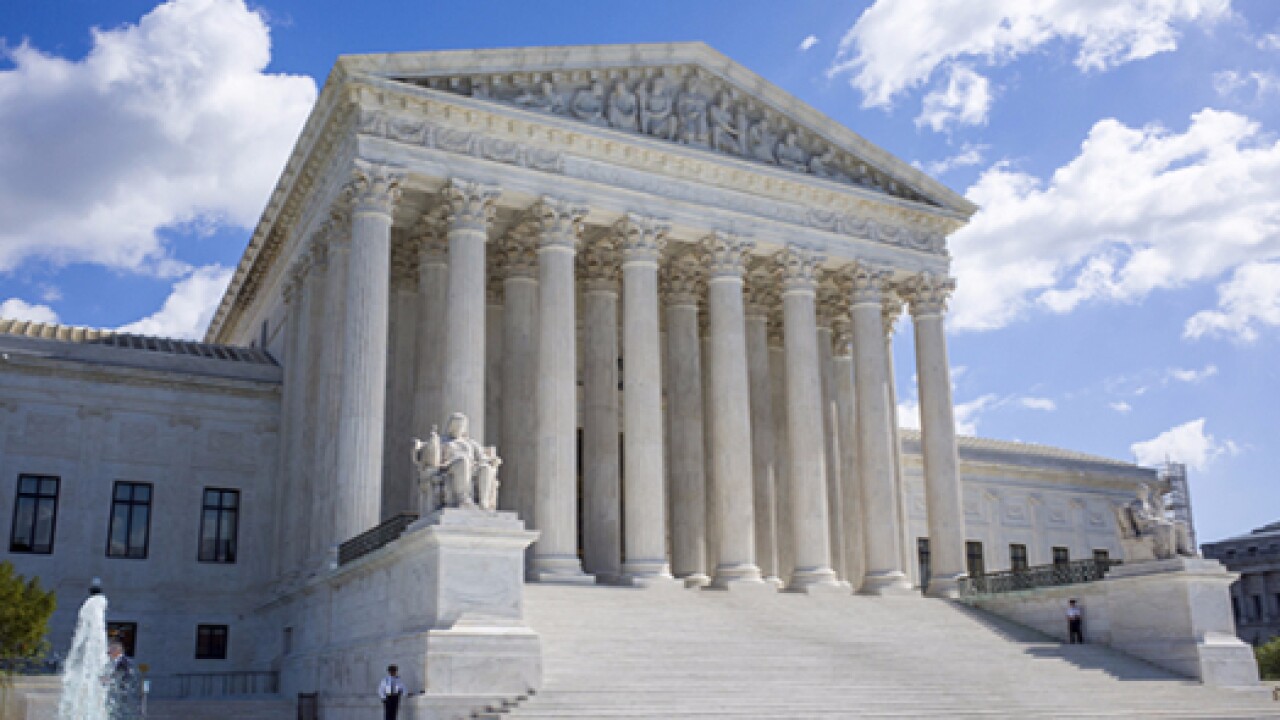
-
The original lawsuit was one of several filed in 2014 in a coordinated effort among federal and state regulators aimed at fraudsters trying to cheat distressed mortgage borrowers.
 February 8
-
Banks historically have been averse to challenging their regulators in court, but a suit over the recently finalized Community Reinvestment Act implementation rules is a signal that the times have changed.
February 7
-
The Independent Community Bankers of America, American Bankers Association and other groups filed a lawsuit arguing that recent reforms to implementing regulations for the Community Reinvestment Act exceed statutory authority.
February 5
-
First National Bank of Pennsylvania, a unit of FNB Corp., ran into trouble in connection with North Carolina operations it acquired from Yadkin Financial in 2017.
 February 5
-
The megabank failed to adequately protect and reimburse customers who were victims of wire-transfer fraud, according to a lawsuit by the New York Attorney General. Citi said that it follows all relevant laws and regulations.
 January 30
-
Plaintiffs' lawyers are targeting various companies in connection with a California law that ensures customers can air grievances publicly without the threat of retribution. BofA and U.S. Bank say the suits against them are meritless.
January 22
-
A federal judge rejected every one of Missouri's arguments for why SIFMA's lawsuit should be dismissed.
January 19
-
By overturning so-called "Chevron deference," the Supreme Court could compel lawmakers to be less ambiguous in their legislative language, limiting agencies' interpretative power.
 January 18
-
At least four conservative judges on the Supreme Court, a formidable group at the oral argument stage, appear ready to overturn 'Chevron' deference, which could have massive consequences for bank policy.
January 17 -
The Supreme Court will hear oral arguments in two cases seeking to overturn the legal principle known as "Chevron deference," that could usher in a new era of litigation by corporations against government agencies.
January 16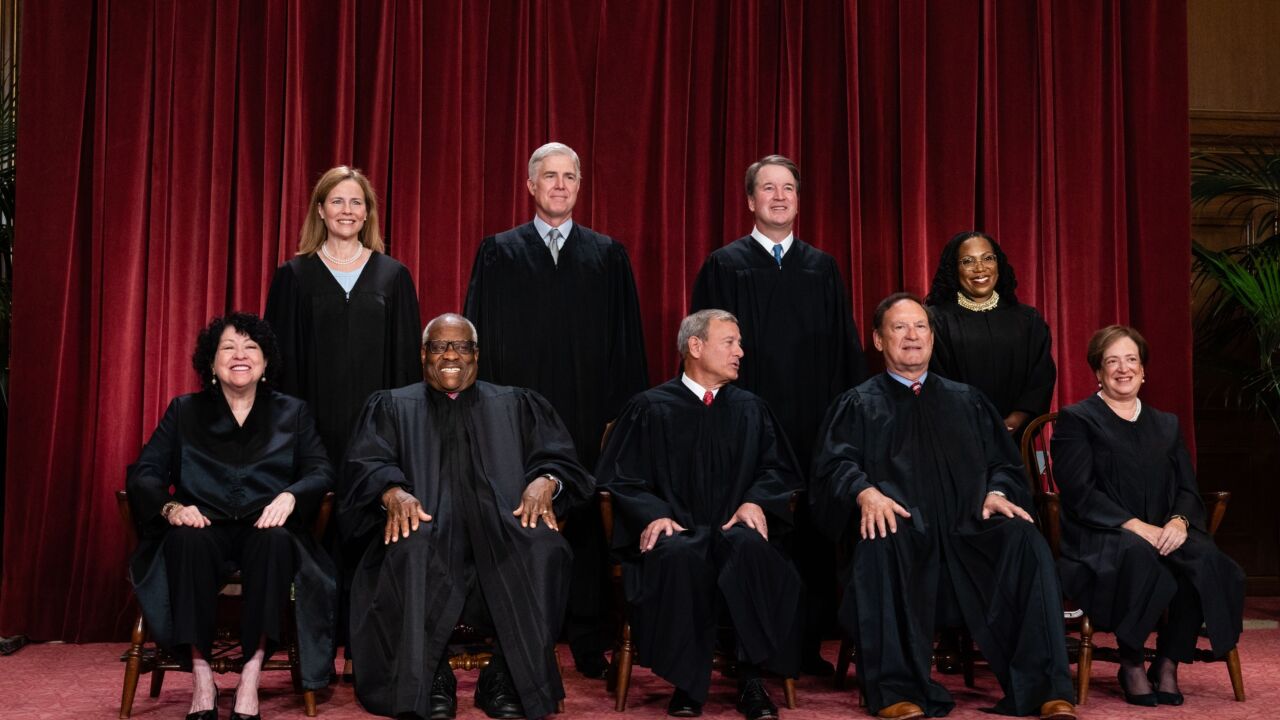
-
A coalition of financial trade groups issued a joint comment letter asserting that the federal bank regulators' proposed capital rule lacked justification and evidence required by the Administrative Procedure Act, threatening legal action if regulators don't delay and significantly amend the rule.
January 12
-
The Justice Department and the Consumer Financial Protection Bureau are suing a real estate developer over an alleged bait-and-switch land-sale scheme near Houston. The developer used TikTok and other social media sites to lure Hispanic immigrants into predatory loans, the government alleges.
December 20
-
The district judge upheld the state's regulations mandating that nonbanks disclose the annual percentage rate, finance charges and fees on financings of $500,000 or less.
December 6
-
The U.S. Supreme Court heard oral arguments in a case that has large stakes for bankers who get into hot water with their regulators. Conservative justices asked tough questions of a Biden administration lawyer who defended agencies' reliance on administrative law judges.
November 29
-
A medical services company is suing the nation's largest bank, alleging that it refused transactions, closed accounts and erroneously told customers that the company was subject to sanctions by the U.S. Treasury Department. JPMorgan declined to comment on the suit.
 November 20


