-
Lenders pushed back against the notion that city dwellers' pandemic-driven flight to suburbia would hurt them. They say fewer landlords have sought deferrals as vacancy rates remain low and rent collections have stabilized.
October 29
-
The agency said property owners can enter into new or modified forbearance plans if they have a hardship due to the coronavirus, but the landlords must agree not to kick out renters solely for nonpayment of rent.
 August 6
-
Delinquencies have been ticking up since the start of the coronavirus pandemic and Capital One is warning of more pain unless the government provides additional relief to tenants and landlords.
 July 22
-
The Federal Housing Finance Agency will extend the same GSE benchmarks of the past three years into 2021.
 July 20
-
The movement encouraging investment in banks run by African American management teams gained huge momentum in recent weeks, but a spat between one of those lenders and an activist investor highlights the potential downside.
 June 24
-
Tenants have threatened to suspend payments during the pandemic to pressure officials into providing rental assistance, but the effects on multifamily loans would compound concerns about servicers' liquidity and, ultimately, lenders' performance.
April 13
-
People's United in Connecticut is letting the loans run off its books as it invests in higher-yielding commercial loans.
 January 17
-
Population shifts and the explosion of e-commerce will upend commercial real estate lending while heightened demand for clean energy, not to mention pressure from investors, will diminish banks’ enthusiasm for fossil-fuel financing.


-
Shares in the lender fell after it reported lower third-quarter profits, said nonperforming assets rose and cautioned that it had lost multifamily loan deals to competitors offering easier terms.
October 30
-
Malaga Financial has no intention of diversifying its portfolio despite heavier competition and potential funding challenges.
October 20
-
The Federal Housing Finance Agency is revising the multifamily loan purchase caps for the mortgage giants Fannie Mae and Freddie Mac to increase affordable housing.
September 13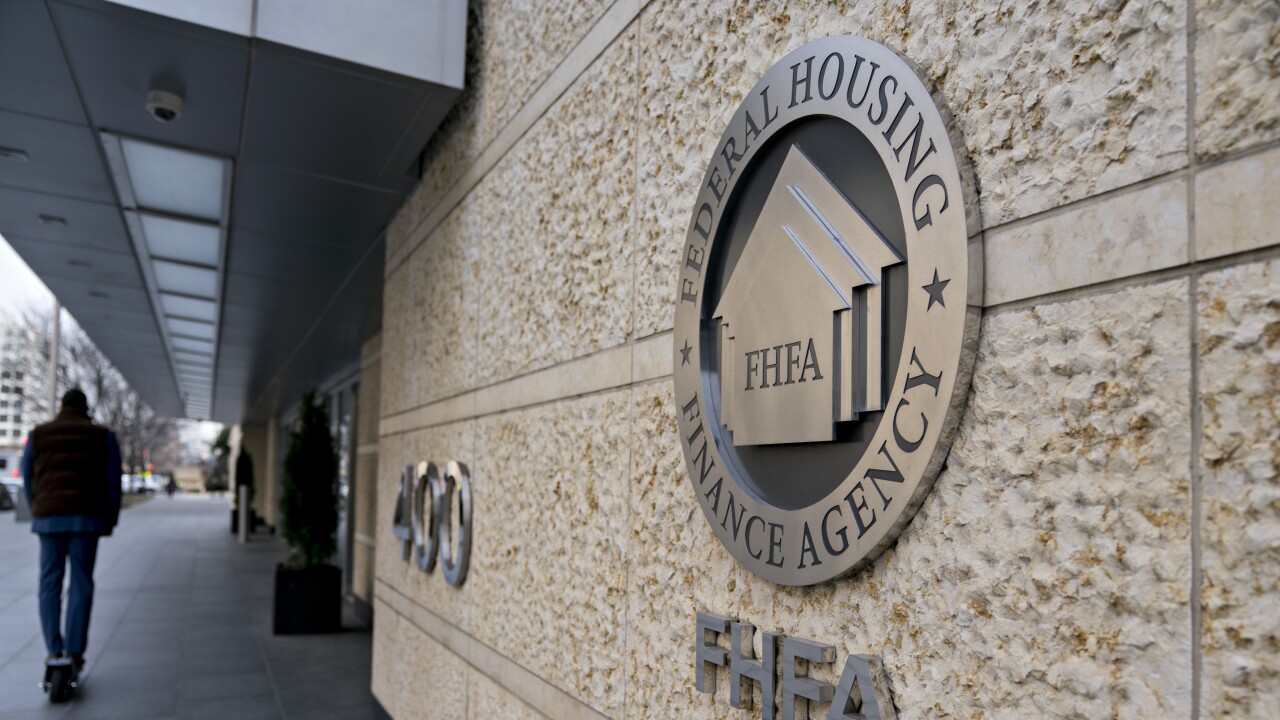
-
It’s hard to time the next economic slowdown. But lenders, many with lingering memories of the financial crisis, are taking steps now to limit exposure in commercial real estate, construction and other loan segments.
August 4
-
Bankers are downplaying such concerns, but others say a sharp decline in values on rent-regulated buildings means landlords will have less cash flow to acquire new properties.
 July 31
-
The Delaware company, best known for issuing prepaid cards, has ramped up commercial real estate securitizations. The shift promises to deliver big fees, but it could also cause headaches if defaults spike.
July 30
-
The New York bank has recruited a dozen commercial lenders from PacWest, Wells Fargo and other rivals, continuing its shift away from its historic reliance on multifamily lending.
June 25
-
The bipartisan proposal aims to renew banks' interest in low-income housing tax credits and bring more lower-priced homes to markets that badly need them.
June 18
-
New York's sweeping rewrite of rent stabilization laws could pose a credit risk to lenders that finance capital improvements to regulated apartment properties, according to a report Monday by Fitch Ratings.
June 17
-
Housing advocates and Democratic lawmakers want to create more protections for tenants of rent-controlled apartments, but they are facing stiff opposition from property owners and the banks that lend to them.
May 10
-
The agency's pilot program, designed to streamline mortgage insurance applications associated with the Low-Income Housing Tax Credit program, will now include applications for new construction and substantial rehabilitation.
February 21
-
Assets increased 6% in 2018 to nearly $52 billion as loan originations surged and the company redeployed $2 billion of cash into higher-yielding securities.
January 30


