
Federal Reserve
Federal Reserve


-

In separate letters to Congress, the Fed asked for legislative action to ease Tier 1 capital minimums while the FDIC said it may use its own authority to address the market strain on banks.
April 30 -

The Main Street Lending Program, announced on April 9 as an option to help U.S. businesses weather the coronavirus outbreak, will be available to a wider array of companies than previously planned.
April 30 -

The Federal Reserve chairman pledged to use every tool at the central bank's disposal to limit the economic fallout from the coronavirus and urged lawmakers to take further action.
April 29 -

The central bank expanded the reach of the program as pressure mounts on the government to support localities struggling economically because of the coronavirus pandemic.
April 27 -

The latest version of the business lending initiative has $60 billion set aside for smaller lenders, including credit unions, but there are concerns the money will be allocated just as quickly this time as it was during the first round.
April 27 -

The modern-day payment system was, over the last two decades, tailor-made for the shelter-in-place conditions many live and work under today.
April 27 -

A credit union-specific liquidity backstop is far less popular than other options such as the Federal Reserve's discount window. The National Credit Union Administration wants to change that.
April 27 -
The modern-day payment system was, over the last two decades, tailor-made for the shelter-in-place conditions many now live and work under today.
April 27 -
![“The way [Congress] went with PPP—it turned into a traditional banking application with all the concerns that banks are going to have about dealing with credit,” the investor and entrepreneur Mark Cuban said on a recent podcast.](https://arizent.brightspotcdn.com/dims4/default/eea2c8d/2147483647/strip/true/crop/3998x2249+0+209/resize/1280x720!/quality/90/?url=https%3A%2F%2Fsource-media-brightspot.s3.us-east-1.amazonaws.com%2F15%2Ffe%2Fc6dd9ac34092a967d8d72626f923%2Fcuban-mark-bl-042420.jpg)
The billionaire investor and entrepreneur sees problems with small businesses having to apply for loans to get coronavirus relief. He says a more efficient approach would be to let them run negative balances on their bank accounts.
April 26 -

The central bank said customers will be able to make more transfers and withdrawals "at a time when financial events associated with the coronavirus pandemic have made such access more urgent."
April 24 -

Economists also expect the Fed's balance sheet to more than $10 trillion as policymakers look to lift the country from a recession brought on by the coronavirus pandemic.
April 24 -

The central bank and other agencies have come under pressure to be transparent about their use of funds authorized by the recent pandemic rescue law.
April 23 -
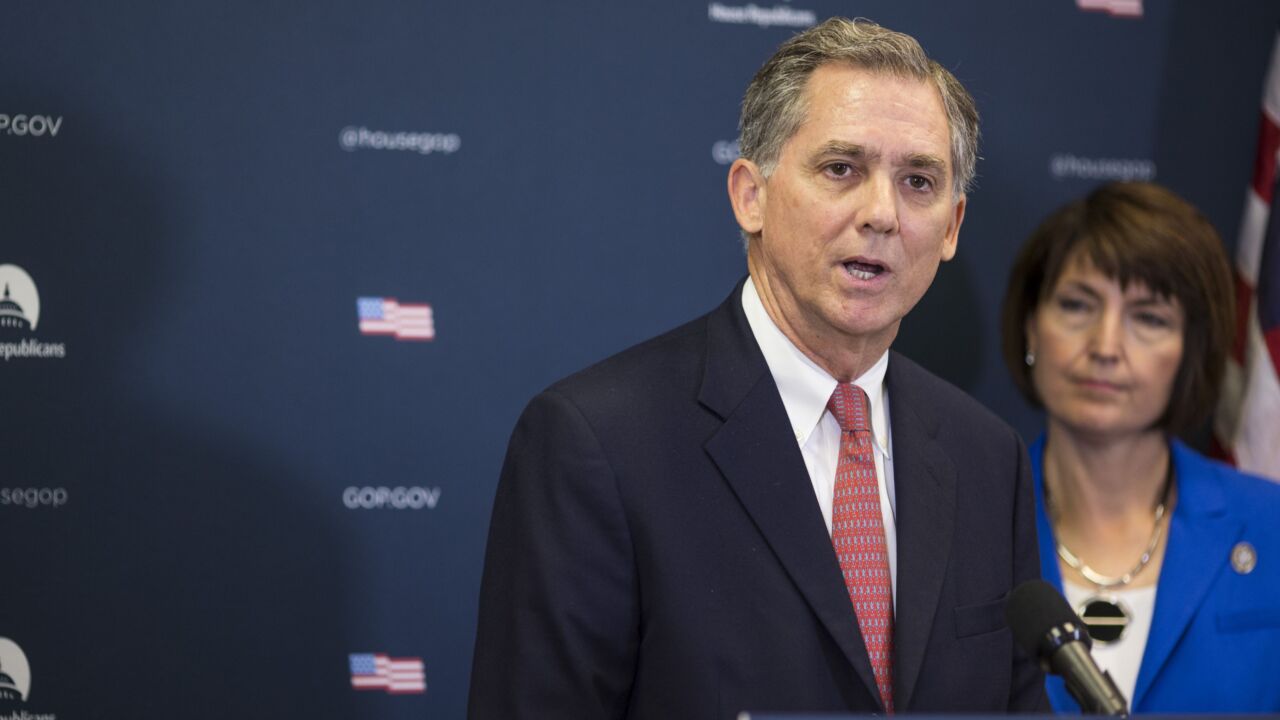
Financial institutions could testify before the bipartisan commission overseeing the unprecedented economic aid for industries hit by the COVID-19 pandemic. But without subpoena authority, the panel’s impact may be limited.
April 22 -

The Federal Reserve’s Main Street Lending Program is meant to be a lifeline for midsize businesses, but two weeks after its unveiling, those firms and their lenders remain on edge about what strings will be attached.
April 22 -

Minorities are often hit harder financially during a crisis, but if regulators move forward on revamping the Community Reinvestment Act, they’ll only make matters worse.
April 20 -
![“I don’t think … [halting dividends] is appropriate this time,” said Fed Chair Jerome Powell. But his predecessor, Janet Yellen, said holding on to income gives banks a “buffer” to further ”support the credit needs of the economy.”](https://arizent.brightspotcdn.com/dims4/default/792845e/2147483647/strip/true/crop/3998x2249+0+209/resize/1280x720!/quality/90/?url=https%3A%2F%2Fsource-media-brightspot.s3.us-east-1.amazonaws.com%2F40%2Fb4%2F76873fe44e4599186506d287c6be%2Fpowell-jerome-yellen-bl-041720.jpg)
Large institutions say their strong capital positions allow them to reward investors, and the Fed agrees. But critics say this is the time to be preparing for a sharp downturn and continue helping those hurt by the coronavirus pandemic.
April 17 -

The head of the Senate panel overseeing Federal Reserve and Treasury Department efforts to boost the U.S. economy urged the agencies to remember their disclosure requirements.
April 17 -
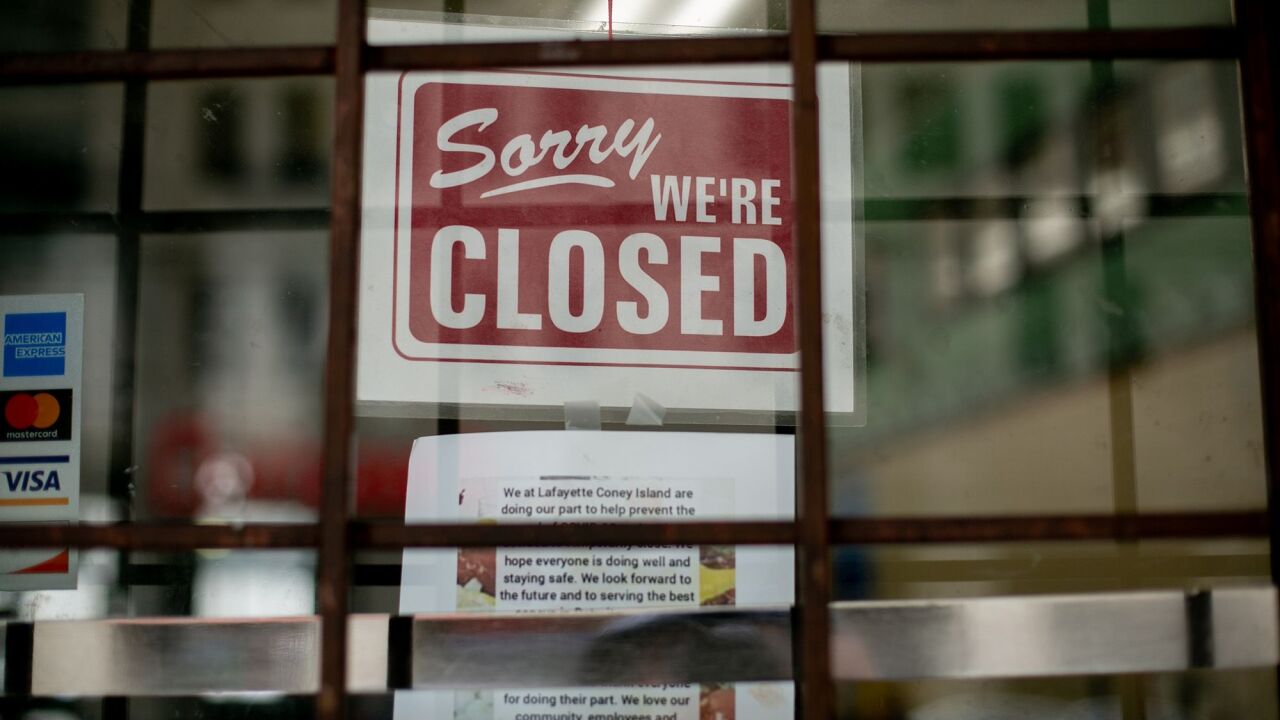
The hardest hit industries were leisure and hospitality and retail outside of essential-goods purchases, the Fed said in its Beige Book survey released Wednesday.
April 15 -

The Financial Stability Board said it stood ready to coordinate additional help on capital requirements, upcoming regulatory deadlines and other standards.
April 15 -

Bank’s earnings fall 69% in the first quarter; this week’s earnings reports could determine whether banks will need to suspend dividends.
April 14


![“The way [Congress] went with PPP—it turned into a traditional banking application with all the concerns that banks are going to have about dealing with credit,” the investor and entrepreneur Mark Cuban said on a recent podcast.](https://arizent.brightspotcdn.com/dims4/default/1c6e69f/2147483647/strip/true/crop/3998x2249+0+209/resize/1440x810!/format/webp/quality/90/?url=https%3A%2F%2Fsource-media-brightspot.s3.us-east-1.amazonaws.com%2F15%2Ffe%2Fc6dd9ac34092a967d8d72626f923%2Fcuban-mark-bl-042420.jpg)


![“I don’t think … [halting dividends] is appropriate this time,” said Fed Chair Jerome Powell. But his predecessor, Janet Yellen, said holding on to income gives banks a “buffer” to further ”support the credit needs of the economy.”](https://arizent.brightspotcdn.com/dims4/default/8e2859f/2147483647/strip/true/crop/3998x2249+0+209/resize/1440x810!/format/webp/quality/90/?url=https%3A%2F%2Fsource-media-brightspot.s3.us-east-1.amazonaws.com%2F40%2Fb4%2F76873fe44e4599186506d287c6be%2Fpowell-jerome-yellen-bl-041720.jpg)


