-
Federal Reserve Vice Chair Michelle Bowman said the Fed's proposed capital framework will inject up to $100 billion into the economy to support small-business loans.
 April 1
-
This could be the second year in a row that the market for U.S. bank preferred shares has shrunk, something that hasn't happened since the lenders were replacing obsolete capital after the global financial crisis.
July 7
-
The European Union is proposing rules that would make it easier for banks to sell off mortgages and reduce the amount of capital they must hold against certain bundled loans.
May 28
-
A common concern in housing finance reactions has been the lack of accommodation for strategies routinely used to manage credit, rate and liquidity exposures.
 January 19
-
Regulators will now accept feedback until Jan 16, 2024 — a six-week extension — concurrent with a Federal Reserve effort to gather additional information about the potential implications of the proposed capital changes.
 October 20
-
Not only could warehouse lines of credit be impacted by the U.S. version of international Basel rules, and financing secured by mortgage servicing rights may be, too.
October 17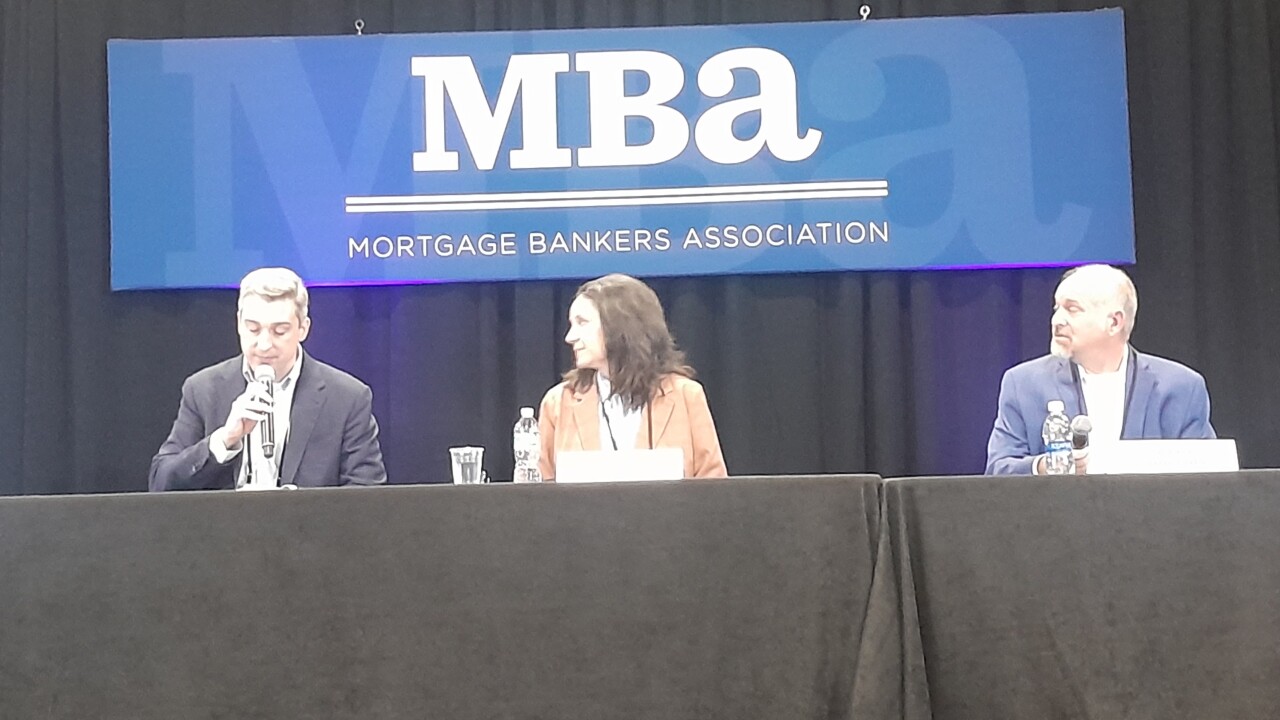
-
The Philadelphia bank's new CEO says a planned infusion would let it update its branch footprint, technology and other resources as part of a turnaround.
 March 10
-
Michael Barr, awaiting confirmation as the Federal Reserve’s top regulator, wants to holistically rethink the central bank’s capital requirements. Karen Petrou, managing partner of Federal Financial Analytics, has some ideas on how to do that.
July 6
-
Europe’s landmark test of banks’ resilience to global warming was far softer than many lenders had expected, according to people familiar with the matter.
July 5
-
European bank regulators are set to start work later this year on adding climate-change risks to the framework for setting capital requirements, in a shift that would penalize lenders for failing to prepare for losses from extreme weather and the shift to clean energy.
March 22
-
Treasury Secretary Janet Yellen said it’s too early to contemplate adjusting capital requirements for U.S. banks based on how much risk they face from climate change.
February 2
-
JPMorgan Chase once again stands alone as the world’s most systemically important bank after global financial regulators recommended a higher capital burden for the firm.
November 23
-
The European Union plans to soften the blow to banks from new capital rules, arguing that an easier stance ensures lenders can keep funding the economy as it recovers from the shock of the pandemic.
October 25
-
This year’s stress tests examined 23 banks including JPMorgan Chase and Goldman Sachs, with the remainder of the firms on an “every other year” test cycle. The capital requirements for those remaining firms are unchanged from last year.
August 6
-
Nine of the 12 largest banking companies in the U.S. proposed higher quarterly payouts to shareholders. In announcing the actions, the banks touted their strength after more than a year of economic dislocation.
June 28
-
Some of the 23 large banks that participated in last week’s stress tests will be better positioned to reward shareholders than others, since they padded their capital amid the pandemic. Still, all are expected to tread cautiously amid ongoing economic uncertainty.
June 28
-
Federal Reserve Chairman Jerome Powell said the market dislocations of the past year resulting from the pandemic had changed the impact that the supplementary leverage ratio was having on the largest banks. After temporarily easing the requirement, the central bank is considering longer-term reforms.
June 16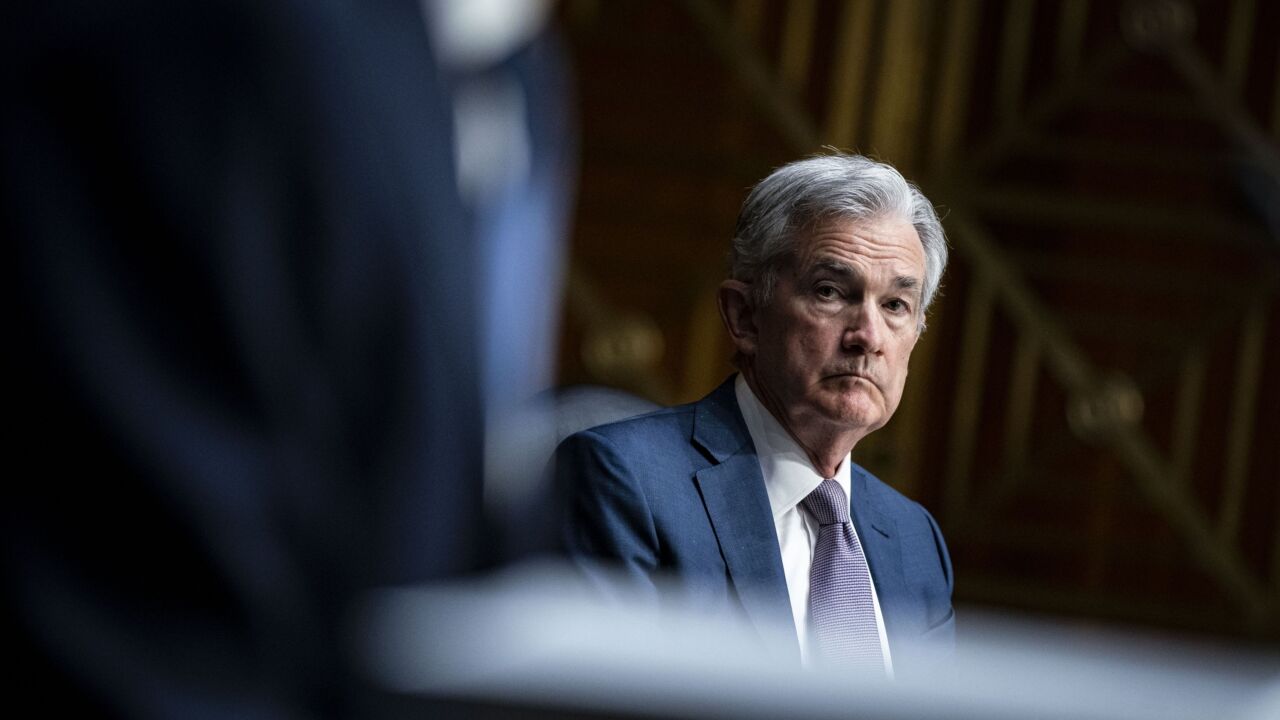
-
Randal Quarles, the Federal Reserve's vice chair for supervision, says the central bank was wise not to require banks to build capital cushions in the lead-up to the pandemic. But that decision rested on a misleading a narrative and could wind up threatening the economic recovery.
June 14
-
Federal Reserve Vice Chair of Supervision Randal Quarles suggested that the massive influx of reserves stemming from the central bank's COVID-19 response may lead to a recalibration of the supplementary leverage ratio.
June 1
-
Rep. Andy Barr, R-Ky., has introduced legislation to make it easier for new community banks to open in areas that are underserved by the banking system.
 April 15


