
-
The 2008 financial crisis transformed banking regulation. But how have those changes held up in the current recession, and what might be coming next?
July 1
-
Requiring banks to test themselves is likely to be a waste of time in the current crisis, says a former Senate Banking counsel.
April 3 Corporations and society initiative at Stanford Graduate School of Business
 -
After budget cuts and a strategic transition, the interagency body conceived by Dodd-Frank to identify systemic threats has largely been silent as the pandemic roils the economy.
March 31
-
Policymakers could recommend banks establish backup facilities and the Federal Reserve could stand ready with emergency loans to limit economic shock waves.
March 2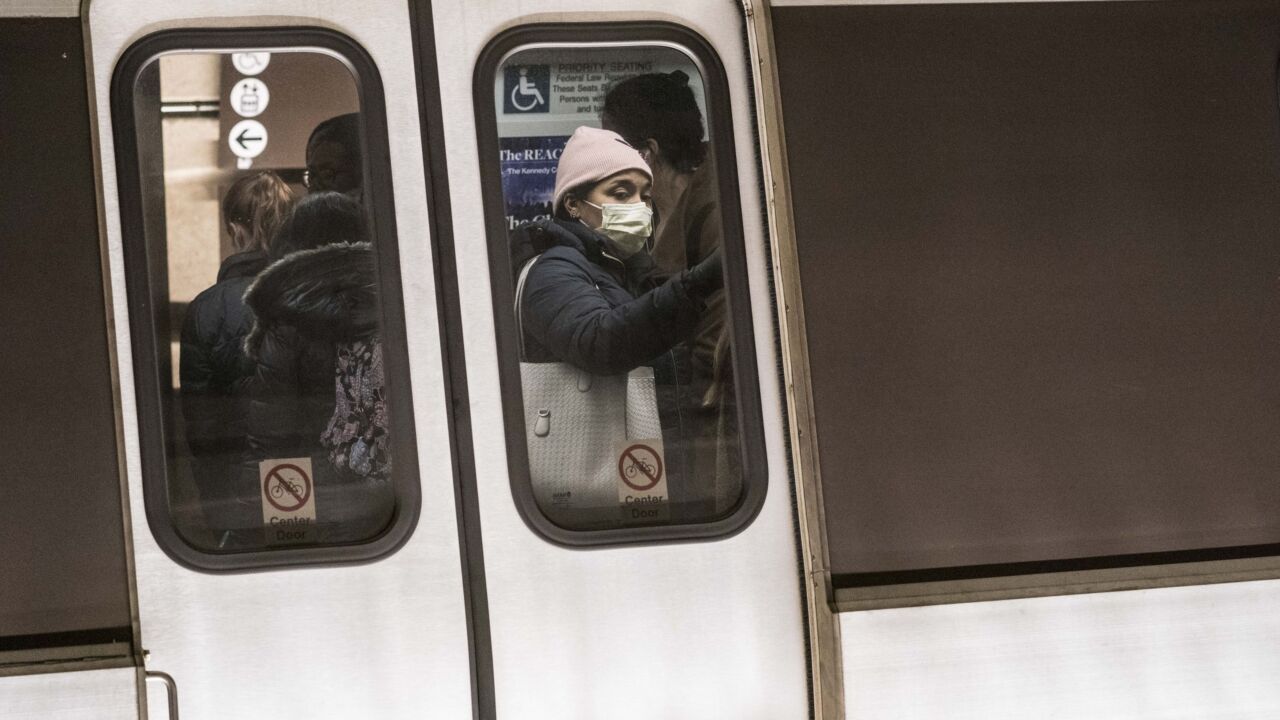
-
Years after criticizing the Dodd-Frank Act, the Democratic presidential candidate and former New York City Mayor Michael Bloomberg is now taking a page from the Elizabeth Warren playbook.
February 18
-
The administration proposed to end the housing trust funds now financed by Fannie Mae and Freddie Mac, and to subject numerous agencies to the congressional appropriations process, among other things.
February 10
- LIBOR
The Treasury secretary suggested a role for lawmakers in containing any fallout with financial contracts stemming from the transition to a new interest rate benchmark.
December 5
-
A report from the Financial Stability Oversight Council cited a bigger share of originations and servicing by nonbanks as a potential vulnerability in the financial system.
December 4
-
Financial regulators have been put on notice about the risk of an economically damaging cash crunch in the home mortgage market. Behind the concern: the rapid growth of shadow banks in the origination and servicing of home loans.
November 5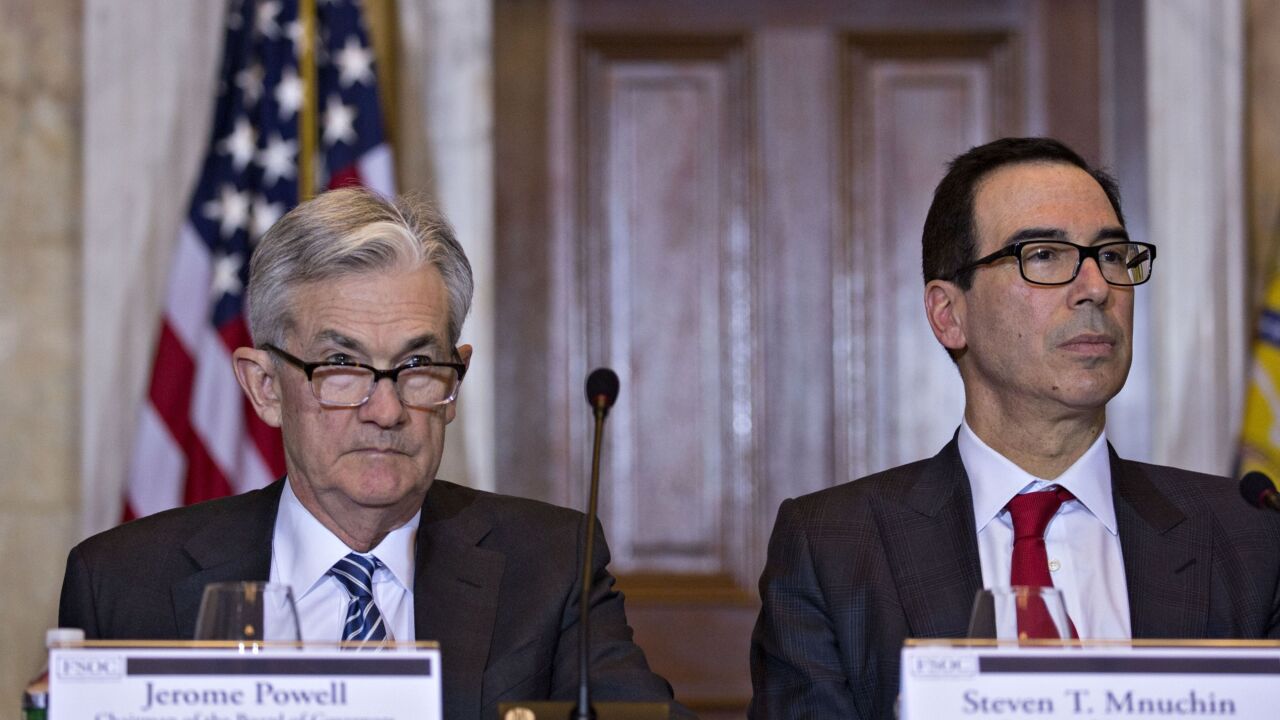
-
The Massachusetts senator and presidential candidate warned the Treasury secretary not to use the incident as a rationale for weakening regulations.
October 22
-
The Treasury secretary repeated his concerns about the social media giant's proposed cryptocurrency, one day before Mark Zuckerberg is expected to face tough questioning from House lawmakers.
October 22
-
With financial institutions relying more and more on cloud computing services, Washington is increasingly focused on the concentration of industry data in the big three technology giants.
September 30
-
Focusing regulatory reforms on risk-based activities is a more effective approach to weeding out potential systemic threats.
June 28 Investment Company Institute
 -
A recent proposal by the Financial Stability Oversight Council to focus less on certain nonbank firms and more on risk activities would create unintended economic harm.
June 27 NYU Stern School of Business
 -
There is bipartisan agreement in the Senate that Fannie Mae and Freddie Mac are "too big to fail," but some lawmakers are skeptical that a SIFI designation is appropriate.
June 25
-
Options include legislation to study the risk of leveraged loans, more aggressive action by the Financial Stability Oversight Council and additional capital buffers. Policymakers may also choose to do nothing.
June 6
-
Although higher corporate debt could hurt the economy, Federal Reserve Chair Jerome Powell argued changes made since the last crisis will guard against a meltdown.
May 20
-
The ranking Democrat on the Senate Banking Committee says he wants answers from the Financial Stability Oversight Council on efforts to address corporate debt risks.
May 13
-
The Financial Stability Oversight Council is shifting away from designating specific nonbanks and moving toward identifying activities that threaten the whole system. But some say that approach just weakens the council.
May 9
-
At first the Financial Stability Oversight Council wanted to target individual nonbanks that pose a risk to the economy. Now it wants to target activities rather than firms. Is that a good idea or a political ploy?
May 9


