
JPMorgan Chase


JPMorgan Chase is one of the largest and most complex financial institutions in the United States, with nearly $4 trillion in assets. It is organized into four major segmentsconsumer and community banking, corporate and investment banking, commercial banking, and asset and wealth management.
-

The JPMorgan CEO says the recovery has to start first, and future buybacks won’t be as big as before; Texas Capital Bancshares and Independent Bank blame the coronanvirus market impact.
May 27 -

JPMorgan Chase's CEO expects the economy to rebound in the third quarter thanks to government stimulus programs and the strength of the consumer going into the pandemic.
May 26 -
As the idea of central bank digital currencies starts to gain traction, the U.S. in particular needs to pay attention or risk losing a major aspect of its geopolitical power, according to JPMorgan Chase & Co.
May 22 -

Jennifer Roberts, the company's head of business banking, details a process to have units work one-on-one with customers to get Paycheck Protection Program funds deployed faster.
May 21 -

Some staff will be sitting at different desks, and in some cases different floors, when they return to work, according to the memo sent to employees Wednesday.
May 20 -
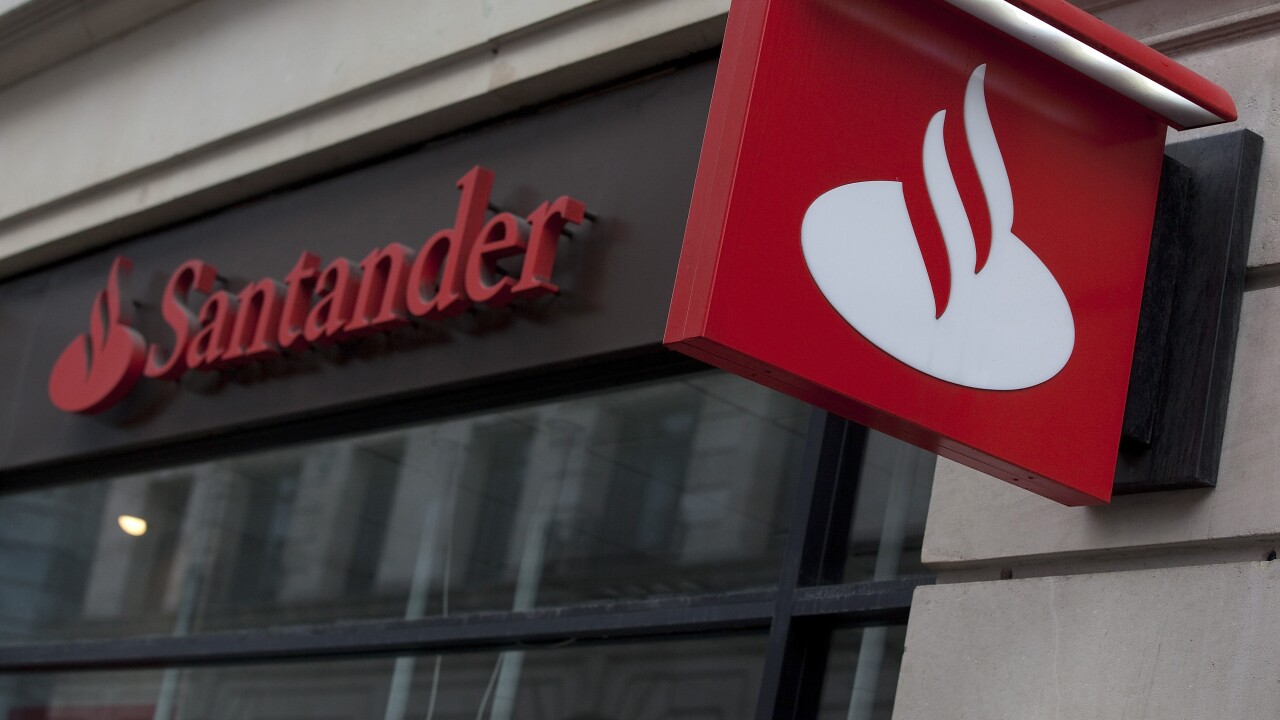
One of the biggest subprime auto lenders agreed to pay $550 million to settle predatory lending charges; the bank regulator has largely completed his goal of overhauling the Community Reinvestment Act.
May 20 -
![Jamie Dimon said JPMorgan Chase entered the coronavirus pandemic "from a position of strength” and “has enough capital [on hand] to handle the crisis.”](https://arizent.brightspotcdn.com/dims4/default/5c4a57a/2147483647/strip/true/crop/4000x2250+0+210/resize/1280x720!/quality/90/?url=https%3A%2F%2Fsource-media-brightspot.s3.us-east-1.amazonaws.com%2F82%2F43%2F7d4d6af04c5db96cc99bfcb94d4b%2Fdimon.jpg)
Ten weeks after his emergency procedure, the longtime CEO told shareholders Tuesday that he's in good health and will not be stepping down anytime soon.
May 19 -

The JPMorgan Chase CEO said he hopes policymakers use the COVID-19 crisis as a catalyst to rebuild a more inclusive economy as the pandemic exposes stark inequalities among Americans.
May 19 -

Black and Latino business owners were less likely to get loans than overall borrowers, survey states; Atlanta Fed president tells lenders they won’t be second-guessed if they do right by borrowers.
May 19 -
A negative Federal Reserve policy rate is still improbable, but if it were to happen it could be a net benefit, according to a note from JPMorgan Chase.
May 13 -

The move is the first time the bank has provided services to digital currency players; the Washington Post and four other heavy hitters want details on PPP and small business disaster loan programs.
May 13 -

Regional and midsize banks, which continue to trail the biggest banks in digital engagement, could attract younger consumers by reaching out with more advice about financial basics, according to J.D. Power.
May 6 -
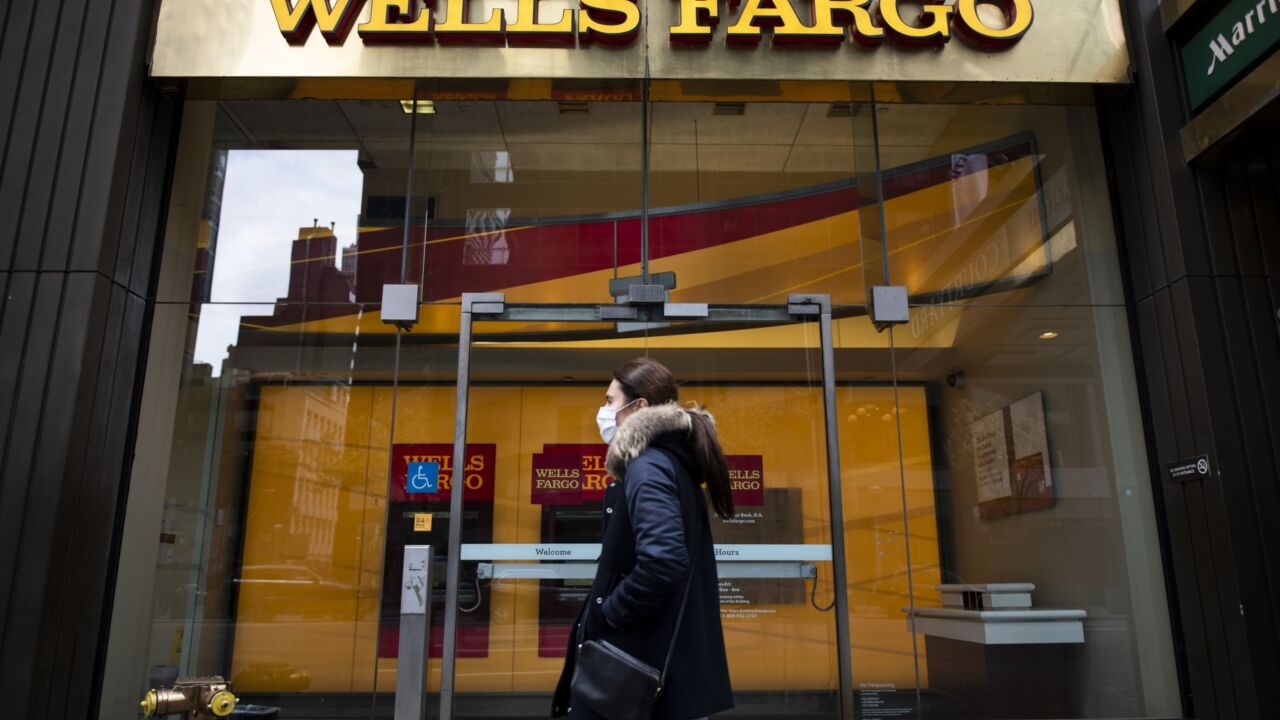
Wells Fargo will temporarily stop accepting applications for home equity lines of credit, following a similar move by rival JPMorgan Chase.
April 30 -

Submissions total about $17.8 billion in requested funding for the second round of the Paycheck Protection Program, with an average loan size of $81,000.
April 30 -

As the coronavirus outbreak starts to ebb in New York and pressure rises on the U.K. government to end London’s lockdown, the largest banks are grappling with how to adhere to social distancing rules.
April 29 -

The bank told customers that it wasn't accepting new applications for the rescue loans because it was trying to work through a backlog of requests already in its pipeline.
April 28 -

Inside Citigroup's headquarters in Manhattan, executives are trying to solve a problem bedeviling much of Wall Street: How to get employees up elevators.
April 26 -
New York City pensions are pushing to remove Lee Raymond, JPMorgan Chase's longest-serving director, from the bank's board because of his track record on climate change.
April 22 -

The bill, which includes $310 billion in new funding, is expected to pass the House on Thursday; Chase has no timeline for returning but plans to bring back employees to offices in stages.
April 22 -

Bank of America and U.S. Bancorp were also named in a lawsuit filed in Sunday in which the banks are accused of prioritizing large loans distributed through the Paycheck Protection Program in order to maximize fees.
April 20


![Jamie Dimon said JPMorgan Chase entered the coronavirus pandemic "from a position of strength” and “has enough capital [on hand] to handle the crisis.”](https://arizent.brightspotcdn.com/dims4/default/855be31/2147483647/strip/true/crop/4000x2250+0+210/resize/1440x810!/format/webp/quality/90/?url=https%3A%2F%2Fsource-media-brightspot.s3.us-east-1.amazonaws.com%2F82%2F43%2F7d4d6af04c5db96cc99bfcb94d4b%2Fdimon.jpg)


STOCK SNAPSHOT
