-
The megabank cleared a regulatory hurdle when the Office of the Comptroller of the Currency freed it from a July 2024 amendment to a consent order. Two other orders, one from the OCC and the other from the Federal Reserve, remain in place.
 December 18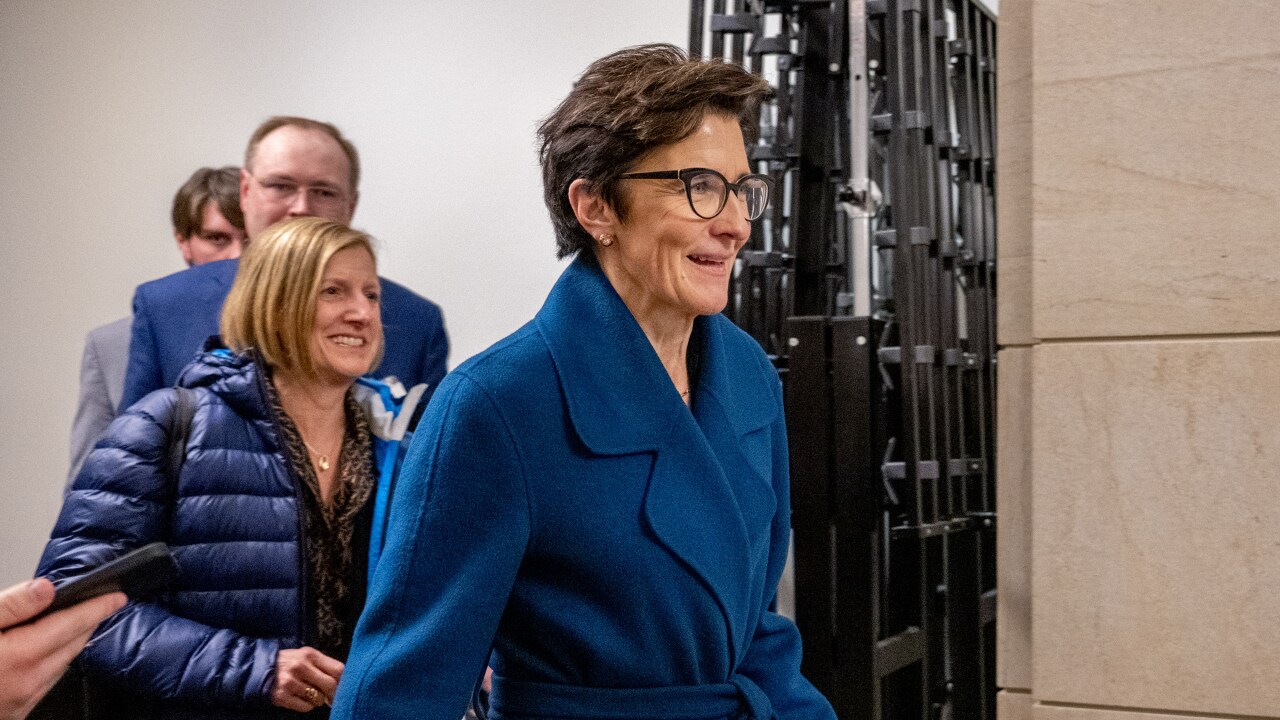
-
Bank groups, crypto firms and regulators are divided over whether fiduciary digital-asset custody fits naturally within the national trust charter model — or whether, as critics argue, the agency is quietly reinventing the charter.
 December 17
-
The Office of the Comptroller of the Currency Friday approved national trust charter applications for five crypto firms, affirming the administration's push to allow crypto companies the ability to take deposits.
December 12
-
Leading Democrats on the Senate Banking Committee sent a letter to Chair Tim Scott, R-S.C., pointing out the as-yet unsatisfied legal requirement for prudential regulators to appear in Congress semiannually.
 December 12
-
Pornographers, private-prison operators and digital-asset firms were among the industries that major banks curbed ties with over moral or reputational concerns, according to the Office of the Comptroller of the Currency's preliminary findings in its "debanking" probe launched earlier this year.
December 10
-
In a new interpretive letter, the Office of the Comptroller of the Currency will allow banks to serve as middlemen for "riskless" crypto trades, extending existing brokerage authority for securities to digital assets.
December 9
-
Comptroller of the Currency Jonathan Gould said digital asset firms' trust charter bids fit into the historic scope of the charter, refuting claims that a 2021 interpretive letter he authored as OCC General Counsel expanded the charter's scope.
December 8 -
The Office of the Comptroller of the Currency and Federal Deposit Insurance Corp. announced Friday that they are withdrawing from a 2013 interagency leveraged lending guidance, arguing it was overly restrictive, pushed activity to nonbanks and sidestepped official rulemaking.
December 5
-
Comptroller of the Currency Jonathan Gould said in an exclusive interview with American Banker Monday that regulators must bring more new entrants into the banking industry, establish a level playing field between banks and fintechs, and shore up supervision amid mounting legal scrutiny.
November 25
-
GOP lawmakers say current thresholds subject regional lenders to overly stringent oversight designed for Wall Street giants
November 24
-
The Virginia-based bank had been an example of what can go wrong when banks partner with fintechs. After being released from an OCC enforcement action, Blue Ridge is now focused on operating as a traditional community bank, said CEO Billy Beale.
November 14
-
ICBA argues Bridge's stablecoin model pushes the trust charter beyond its intended fiduciary scope.
November 14 -
The ICBA opposed Coinbase's filing for a trust charter in a public letter as Comptroller Jonathan Gould defended the fintech charter process on Tuesday.
 November 4
-
BayFirst Financial, which has reported problems with SBA loans, expects to reach an agreement with its regulators in connection with credit administration and other issues.
 October 31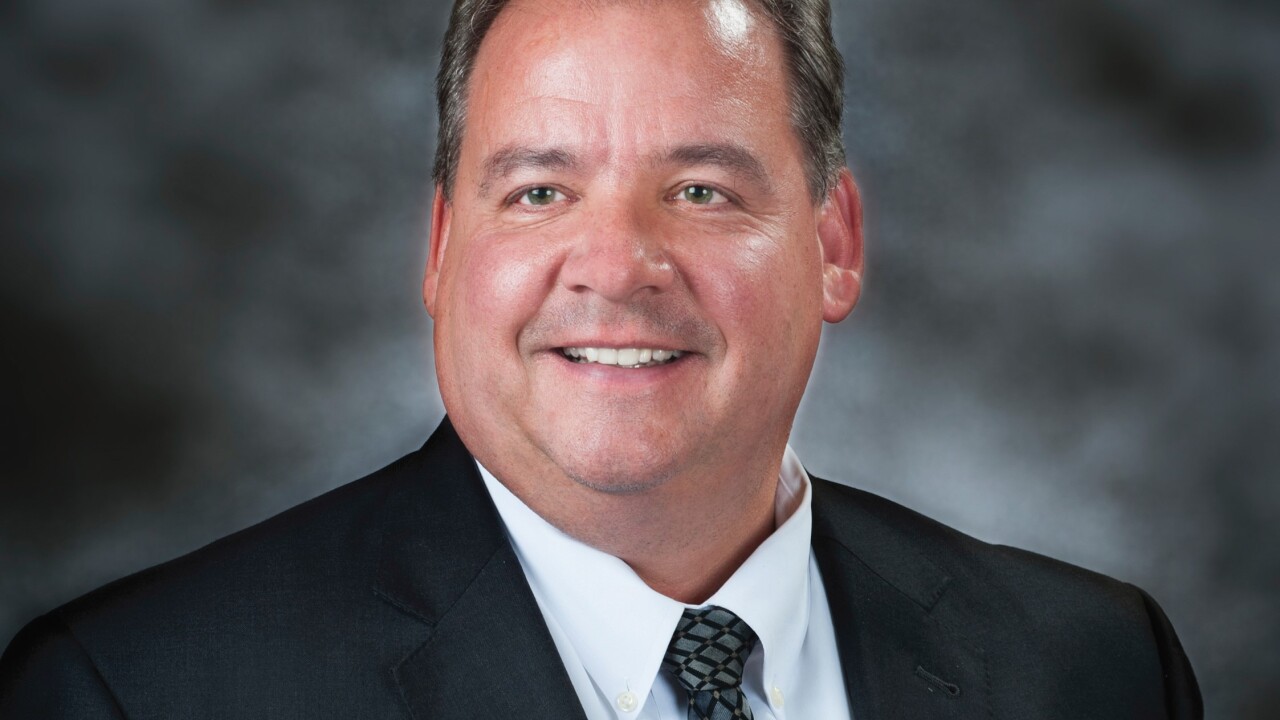
-
As the Office of the Comptroller of the Currency receives a spurt of applications for national trust charters from crypto and payments firms, bank trade groups are urging regulators to ensure proposed activities fit within the statutory limits of the charter and the law.
October 31
-
The agency's approval of the stablecoin-focused Erebor will be the first of many applications to open new banks, many focused on nontraditional elements of the business.
October 29
-
A proposal from the Office of the Comptroller of the Currency would roll back Biden-era recovery planning rules for banks, leaving them with broad discretion to determine their own recovery protocols.
October 28
-
U.S. regulators have reached a rock-bottom settlement deal with a former Wells executive accused of wrongdoing in the phony-accounts scandal. The OCC had sought to recover $10 million from Claudia Russ Anderson, a onetime risk executive at the bank.
October 22
-
The conditional approval came with residency waivers for board directors and green-lights the bank's business model, which is aimed at serving tech companies and ultra-high net worth customers in the digital asset space.
October 15 -
Bridge will join a number of digital asset firms vying for the coveted charter, seizing on the crypto-friendly environment in the second Trump term.
October 14


