- WIB PH
KeyCorp's CEO shares her views on setting the right example for others in the banking industry.
September 22
- WIB PH
Does gender matter in banking? It does and it doesn't, explains KeyCorp CEO Beth Mooney, who also addresses whether she ever felt gender was an issue for her personally during her banking career.
September 22
- WIB PH
Absolutely, gender matters in every industry, says Zions' LeeAnne Linderman. And she noticed a difference at Zions as more women joined the senior ranks.
September 22
- WIB PH
Men and women approach life differently, says Cathy Bessant, Bank of America's global technology and operations executive. Women tend to care more about their legacy, and not many would take satisfaction in having a tombstone that says, "great banker."
September 22
- WIB PH
Count Ally Bank CEO Barbara Yastine among those who think gender is still an issue in banking. Here's what she thinks women can do about it.
September 22
-
-
Institutional investors are betting that Americans still want backyards and porches even if they don't have the credit to buy stand-alone homes of their own, according to equity research analyst Ivy Zelman. She says that's a good thing for renters. "They can professionalize a very antiquated industry and provide the consumer with more choices for a different type of shelter," she says.
September 16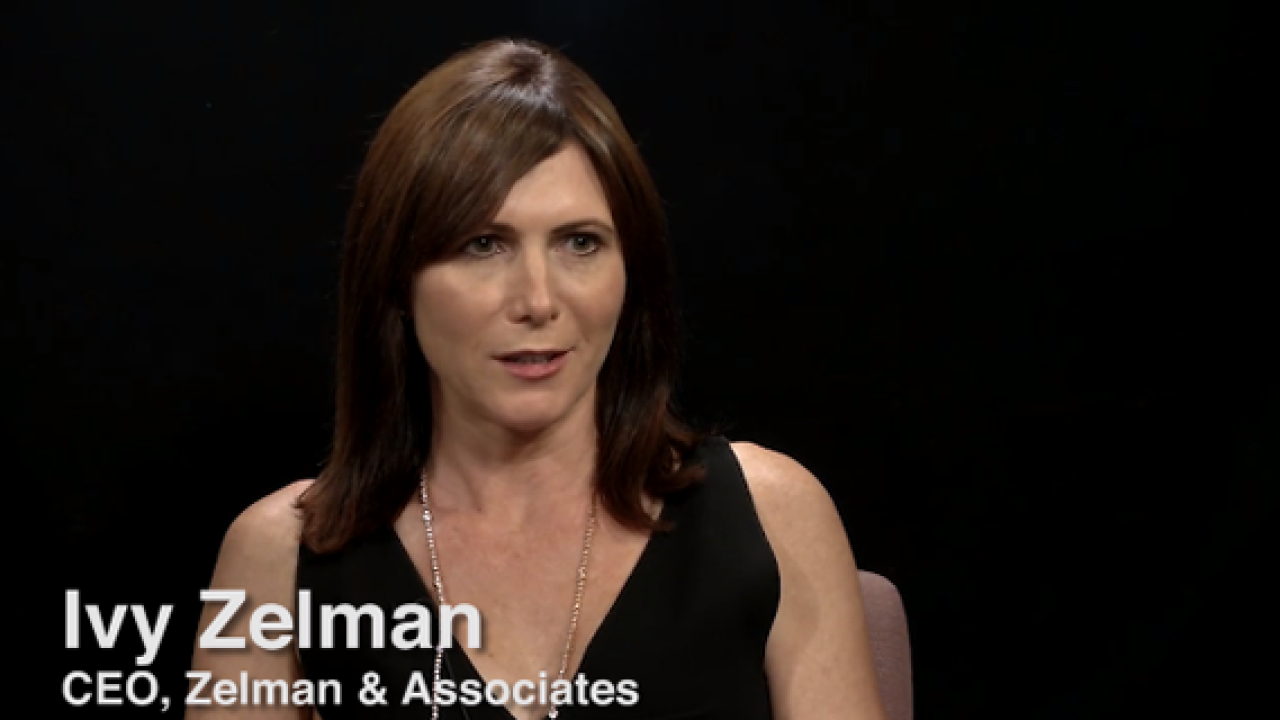
-
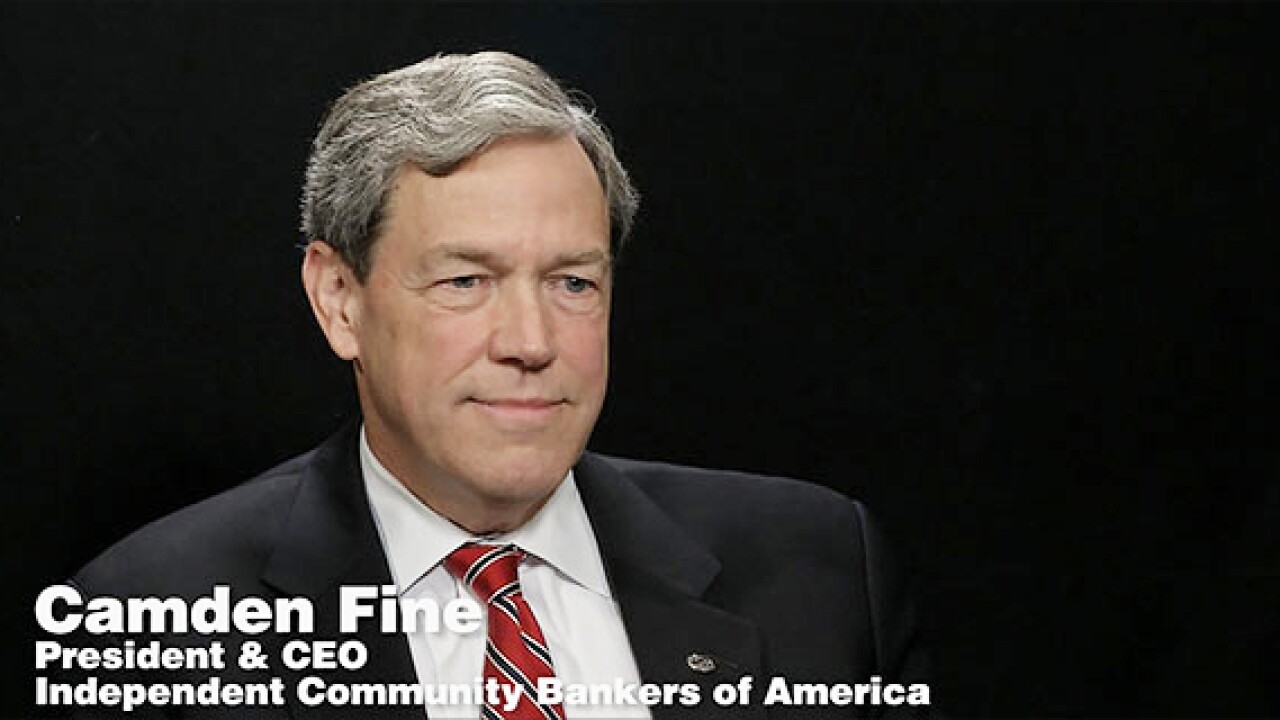
The head of the Independent Community Bankers of America says the government has gone too far demanding banks act like law enforcement.
September 11