-
The Dodd-Frank Act orders regulators to create diversity standards that govern financial institutions' hiring and contracting practices. So why did they shy away from the chance to propose clear, measurable reporting requirements?
July 14
-
Gov. Scott Walker sided with banking and other financial groups that opposed legislation letting payday lending companies offer insurance, annuities and other financial products.
 July 13
 -
Those looking for easy answers from a government report about what caused recent volatility in the Treasury markets including whether regulation is to blame were likely disappointed.
 July 13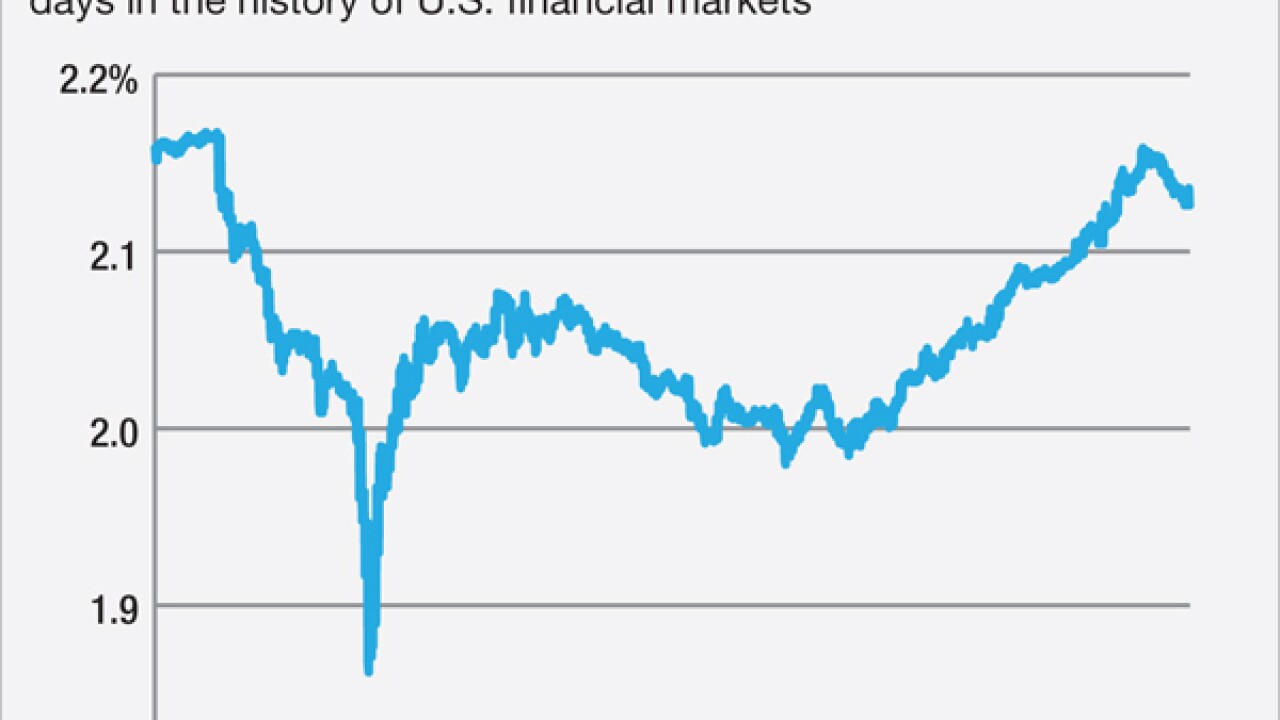
-
Sunshine Financial in Tallahassee, Fla., has asked for permission to switch to a state bank charter from a federal thrift charter.
 July 13
 -
Democratic presidential fron-trunner called for tougher reforms on Wall Street and harsher penalties for financial misconduct, but avoided more aggressive positions embraced by other candidates to break up the biggest banks.
 July 13
 -
Some housing professionals have grown reluctant to participate in the Federal Home Loan Banks' Affordable Housing Program, objecting to burdensome requirements and rules that are inconsistent with other funding sources. It's time for the Federal Housing Finance Agency to make some updates.
July 13 -
Colorado state regulators on Friday closed the $31.7 million-asset Premier Bank in Denver.
 July 10
 -
The Department of Justice's Office of Professional Responsibility said it found no support for allegations that federal lawyers wrongly pursued legal online payday lenders and forced banks to cut ties with legitimate businesses.
July 10 -
IMGCAP(1)]
July 10 -
Auto title loans in California grew by more than 10% in number and dollar value last year and the market has almost doubled since 2011, according to a new report.
 July 10


