-
Federal Reserve Bank of Chicago President Austan Goolsbee said the central bank should focus on getting inflation to its 2% target before making any additional cuts to short-term interest rates.
 February 24
-
The CFPB is in an existential legal brawl against it's own acting director, Russell Vought, and President Donald Trump, whose confirmed goal is to kill the agency.
 February 23
-
Federal Reserve Gov. Christopher Waller said during an appearance Monday his decision on whether or not to support a cut to short-term interest rates depends on labor market indicators.
February 23
-
As geopolitical threats loom, the U.S. needs a better-coordinated AML strategy. The Treasury Department's Financial Crimes Enforcement Network should take the lead in implementing needed reforms.
February 23
-
President rushes to preserve tariff agenda following Supreme Court ruling against his use of an emergency-powers law.
February 21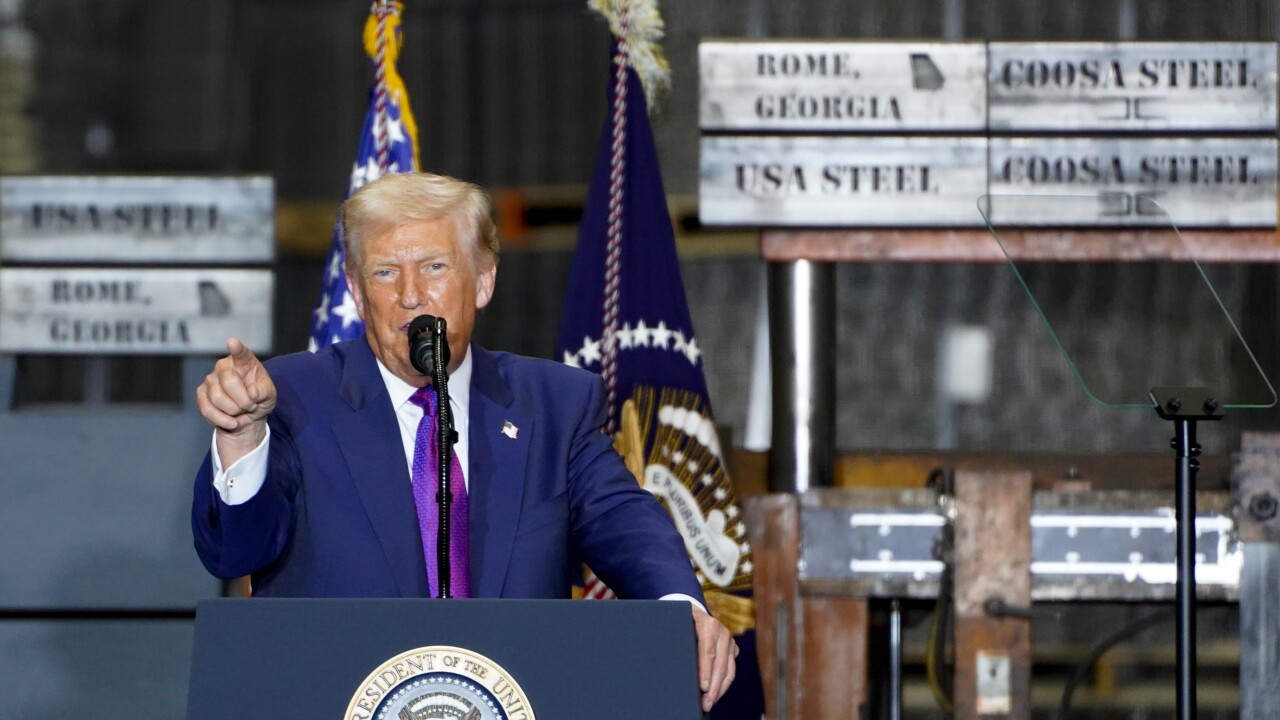
-
The relevant Florida statute does not permit President Donald Trump's allegation that JPMorganChase CEO Jamie Dimon directed the bank to put Trump and his businesses on a "blacklist," the bank said in a legal filing.
February 20
-
Senate Banking Committee ranking member Elizabeth Warren, D-Mass., warned the Treasury Department and Federal Reserve in a Wednesday letter not to bail out cryptocurrency firms in the wake of sharp declines in digital asset values over the last several months.
 February 19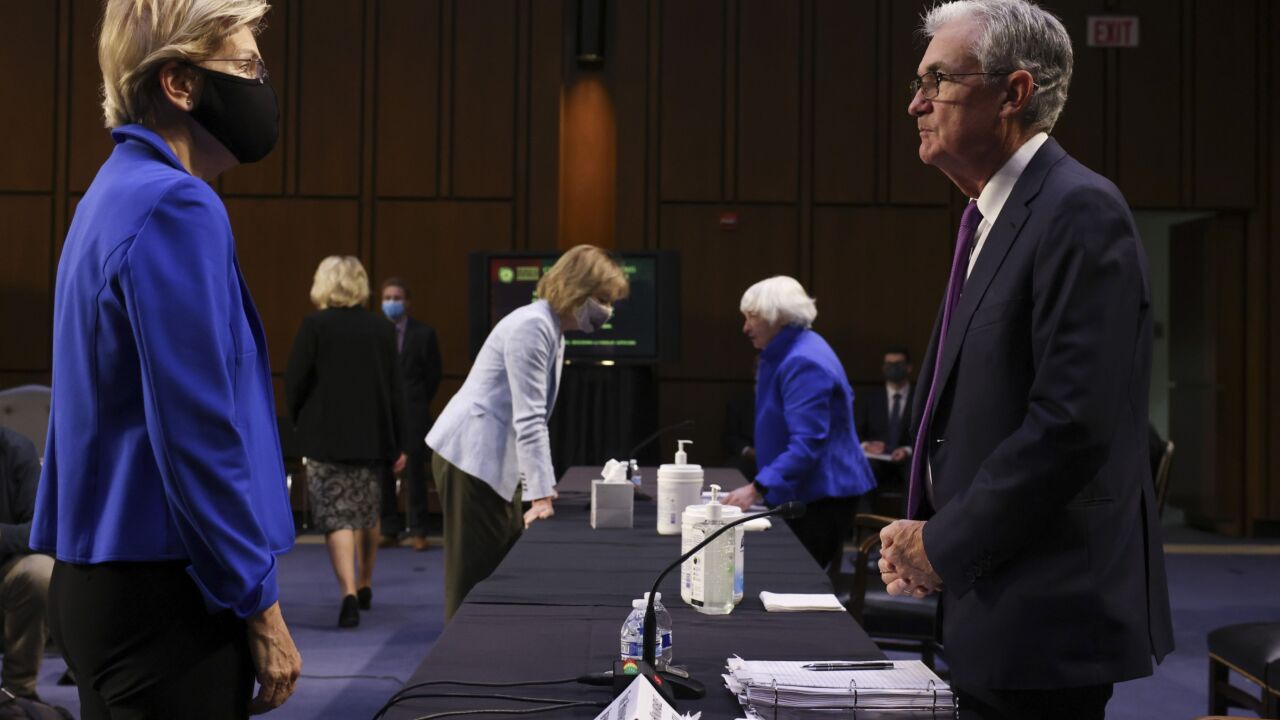
-
Federal Reserve Vice Chair for Supervision Michelle Bowman said in comments Wednesday that the central bank plans to publish its Basel III endgame capital proposal for public comment before the end of March.
February 18
-
The Federal Reserve is moving quickly to implement its proposed "skinny" master account, giving state-chartered fintechs more access to the central bank's payment systems. But experts say a legal challenge to the rule is almost certain, regardless of where the Fed draws the line.
February 18
-
Research from American Banker finds that executives are under pressure from nonbank firms and are concerned about identity theft in 2026.
 February 17


