
Banking Politics & Policy News
American Banker's Politics & Policy coverage delivers news and analysis on how legislative action, federal agency rulemaking, regulatory politics, and public policy debates shape banking strategy, risk, competition, and compliance. Coverage explores congressional priorities, executive branch initiatives, regulatory agency actions, and the political forces that shape and impact the operating environment for financial institutions, payments companies, fintechs and distributed finance companies.
Bank leaders must navigate a dynamic policy environment where congressional action, regulatory priorities, and political forces influence capital standards, supervisory expectations, digital asset frameworks, deposit insurance, consumer rules, and competitive dynamics.
-
The embattled crypto bank announced that it will reduce operations and move to preserve capital after losing its banking partner earlier this month.
 November 21
-
The Federal Reserve governor said the Supreme Court ruling could bring needed transparency and efficiency to regulatory policymaking.
November 20
-
Sen. Mike Rounds, Rep. French Hill and former FDIC Chair Jelena McWilliams were among the speakers Tuesday at the American Fintech Council's Policy Summit.
 November 20
-
In a congressional hearing, top officials from the Federal Reserve, Federal Deposit Insurance Corp. and Office of the Comptroller of the Currency said no new rules will be adopted or proposed this year.
November 20
-
The next Republican-led FDIC board will inherit a legacy of sexual misconduct and low morale brought to light last year. Despite the breadth of that challenge, industry watchers believe the agency's new leadership can deliver meaningful change.
 November 19
-
The Securities and Exchange Commission accused a former supervisor with the Federal Reserve Bank of Richmond of trading New York Community Bank and Capital One stock based on material nonpublic information.
November 18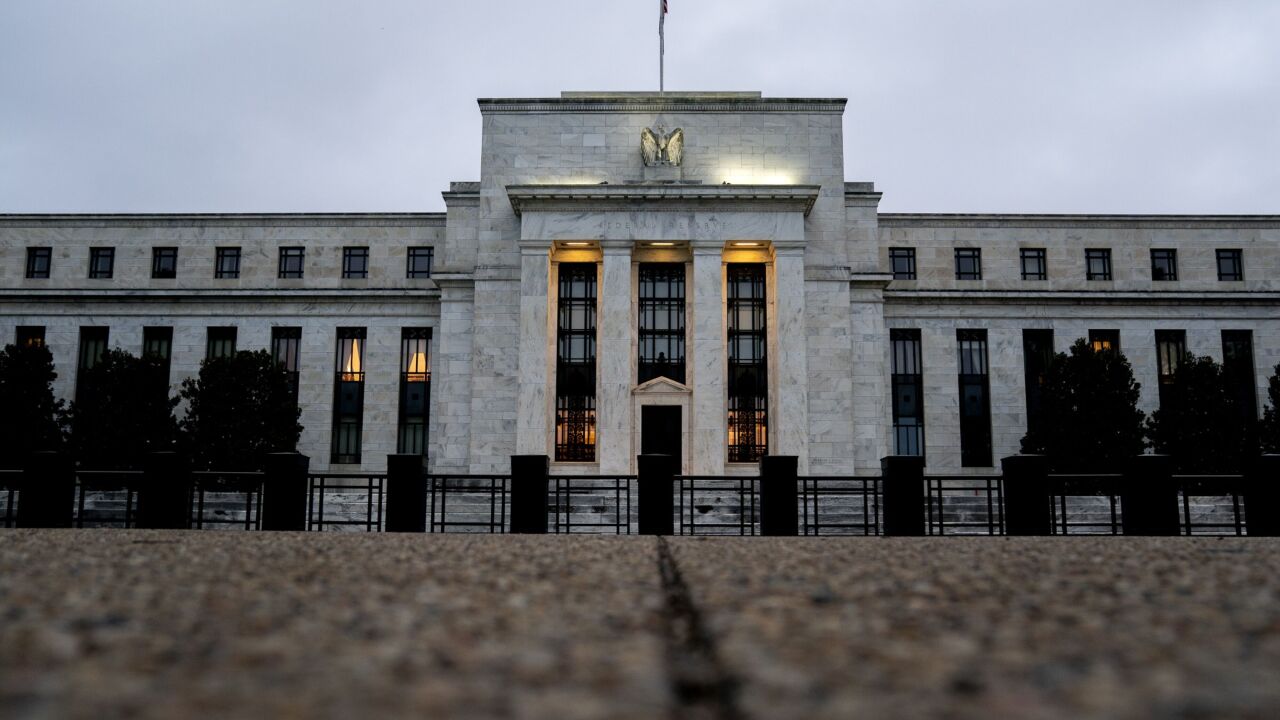
-
Enforcement actions from the Consumer Financial Protection Bureau still fresh in the mind of financial leaders have renewed hopes that a second Trump administration will favorably alter the agency's future.
 November 18


-

As stablecoins and other cryptocurrencies enter the mainstream, lawmakers in Illinois have imposed a new transaction tax on digital assets. It will raise costs for everyday consumers and drive away businesses.

-

Yes, banks' capital burden will decline, leaving more potential funds available for lending. But the big question is which banks will find a way to deploy those funds to generate meaningful returns.

-

Restrictions that limit access to private market investments are harmful to ordinary investors, who are denied better returns. They also seal off a large potential source of funding for long-term infrastructure investments.


