
Banking Politics & Policy News
American Banker's Politics & Policy coverage delivers news and analysis on how legislative action, federal agency rulemaking, regulatory politics, and public policy debates shape banking strategy, risk, competition, and compliance. Coverage explores congressional priorities, executive branch initiatives, regulatory agency actions, and the political forces that shape and impact the operating environment for financial institutions, payments companies, fintechs and distributed finance companies.
Bank leaders must navigate a dynamic policy environment where congressional action, regulatory priorities, and political forces influence capital standards, supervisory expectations, digital asset frameworks, deposit insurance, consumer rules, and competitive dynamics.
-
The increase would "ensure that the wealthy and big corporations pay their fair share" at a level that also "rewards investment in America's innovators, founders and small businesses," Harris said.
September 5
-
Patrick Harker, the longest serving regional reserve bank president, will leave office in June 2025. Directors at the Fed bank have started the search for his replacement.
 September 4
-
In August's roundup of top banking news: The impact of National Public Data's breach on banks, USAA agrees to $64 million settlement in overcharging case and more.
 August 30
-
The Federal Reserve's preferred measure of inflation held steady at 2.6% for the third month in a row, a positive reading that increases the odds of a September rate cut.
August 30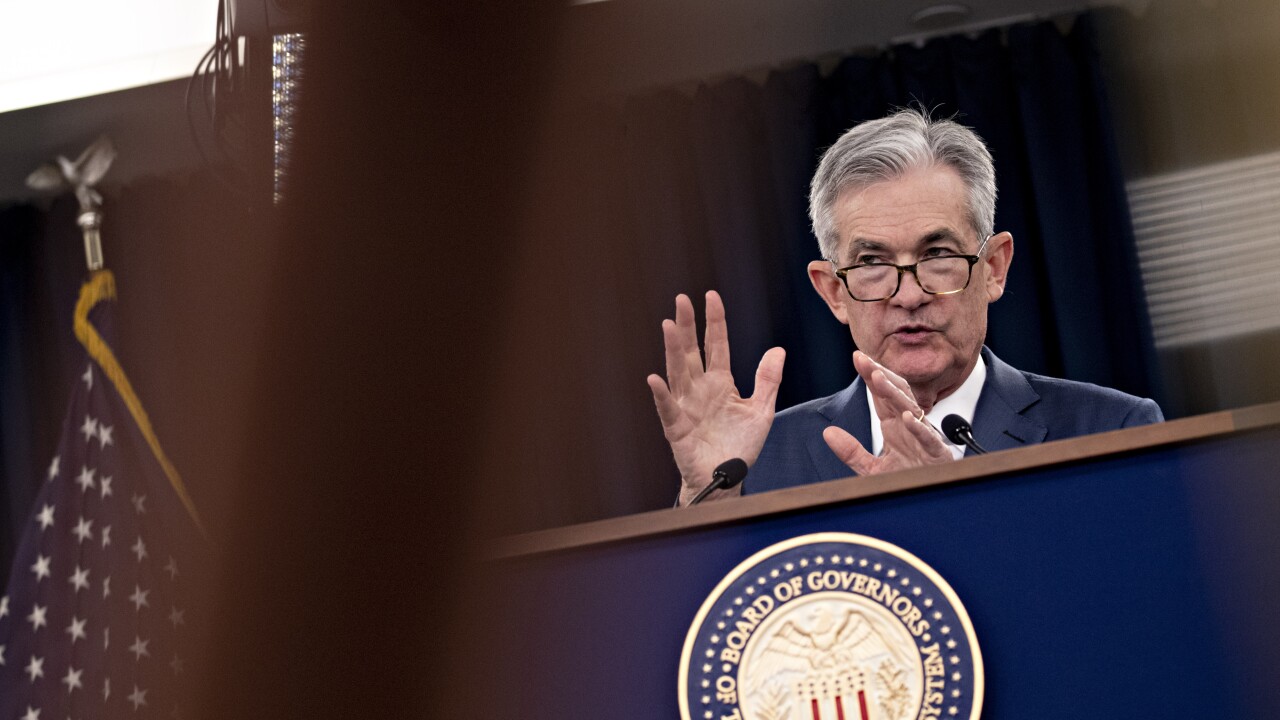
-
Vice President Kamala Harris' pledge to deliver 3 million homes has drawn applause from homebuilders, lenders and affordability advocates, but experts are uncertain how her administration would pull it off.
August 23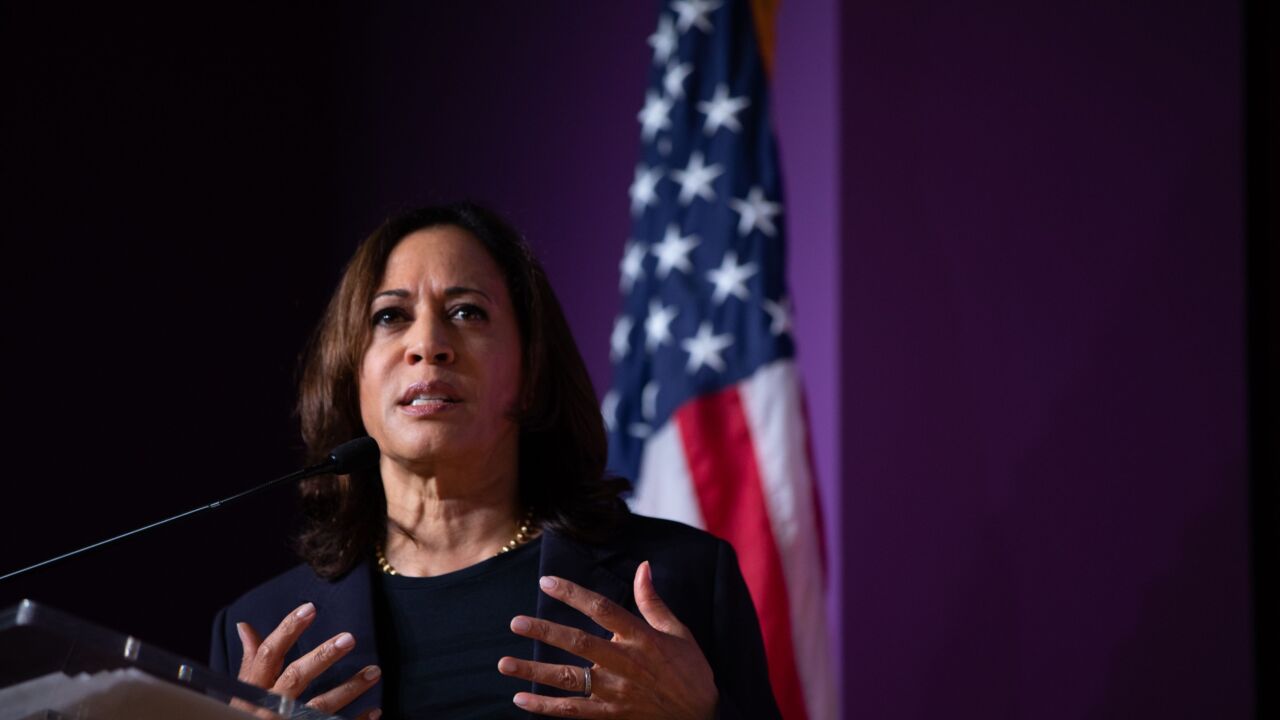
-
Committee Chair Sherrod Brown is facing a tough election.
 August 23
-
In his speech at the Federal Reserve's Jackson Hole Economic Symposium, the Fed chair said employment losses are now a bigger risk than elevated inflation.
August 23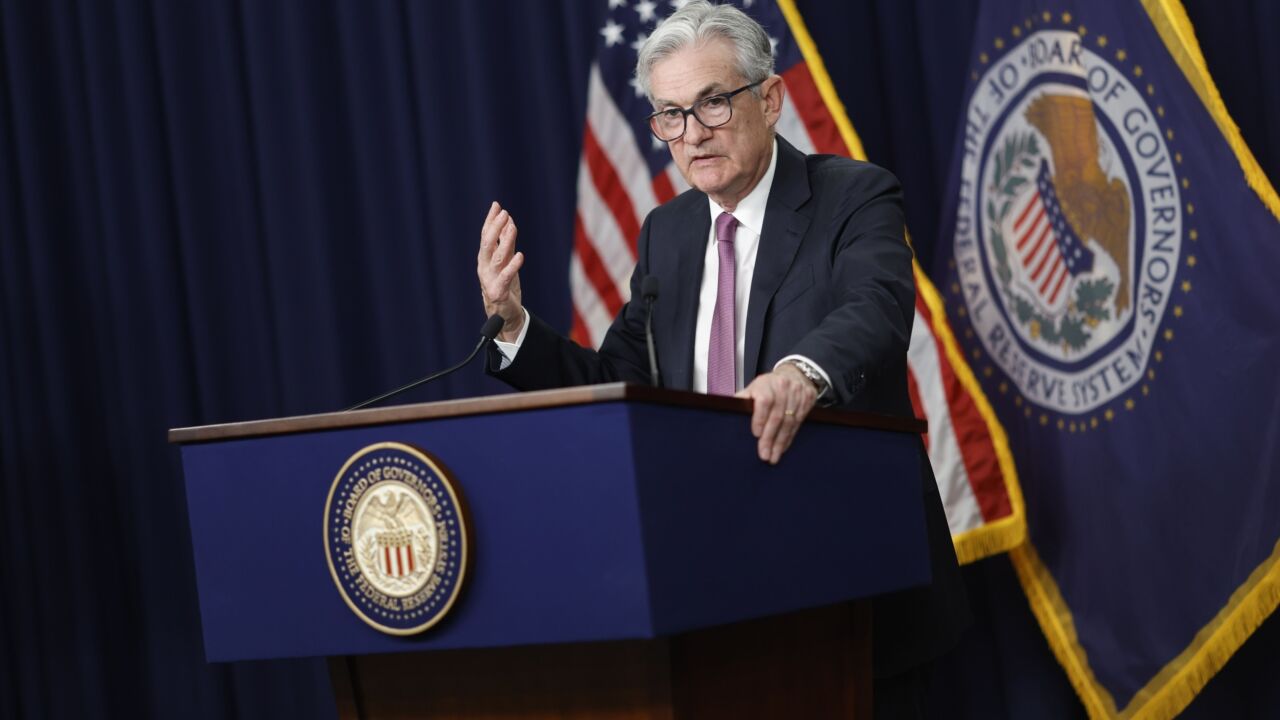


-

As stablecoins and other cryptocurrencies enter the mainstream, lawmakers in Illinois have imposed a new transaction tax on digital assets. It will raise costs for everyday consumers and drive away businesses.

-

Yes, banks' capital burden will decline, leaving more potential funds available for lending. But the big question is which banks will find a way to deploy those funds to generate meaningful returns.

-

Restrictions that limit access to private market investments are harmful to ordinary investors, who are denied better returns. They also seal off a large potential source of funding for long-term infrastructure investments.


