
Banking Politics & Policy News
American Banker's Politics & Policy coverage delivers news and analysis on how legislative action, federal agency rulemaking, regulatory politics, and public policy debates shape banking strategy, risk, competition, and compliance. Coverage explores congressional priorities, executive branch initiatives, regulatory agency actions, and the political forces that shape and impact the operating environment for financial institutions, payments companies, fintechs and distributed finance companies.
Bank leaders must navigate a dynamic policy environment where congressional action, regulatory priorities, and political forces influence capital standards, supervisory expectations, digital asset frameworks, deposit insurance, consumer rules, and competitive dynamics.
-
Unintended consequences of shifting the burden for title insurance to the lender could end up harming consumers, several observers said.
 April 10
-
Mastercard established a new structure for businesses focused on card acceptance and transaction processing, new payment flows and value-added services. Separately, the Federal Reserve Bank of New York is joining several countries' central banks in a test of tech to support cross-border transactions.
April 10
-
The memorandum creates channels for sharing information about nonbanks between the Federal Housing Finance Agency and the Conference of State Bank Supervisors.
 April 10
-
Democratic Sens. Dick Durbin and Gary Peters of Illinois, and Ron Wyden of Oregon, have released a $1.3 billion piece of legislation to target identity fraud in government-related pandemic programs and empower investigators.
 April 9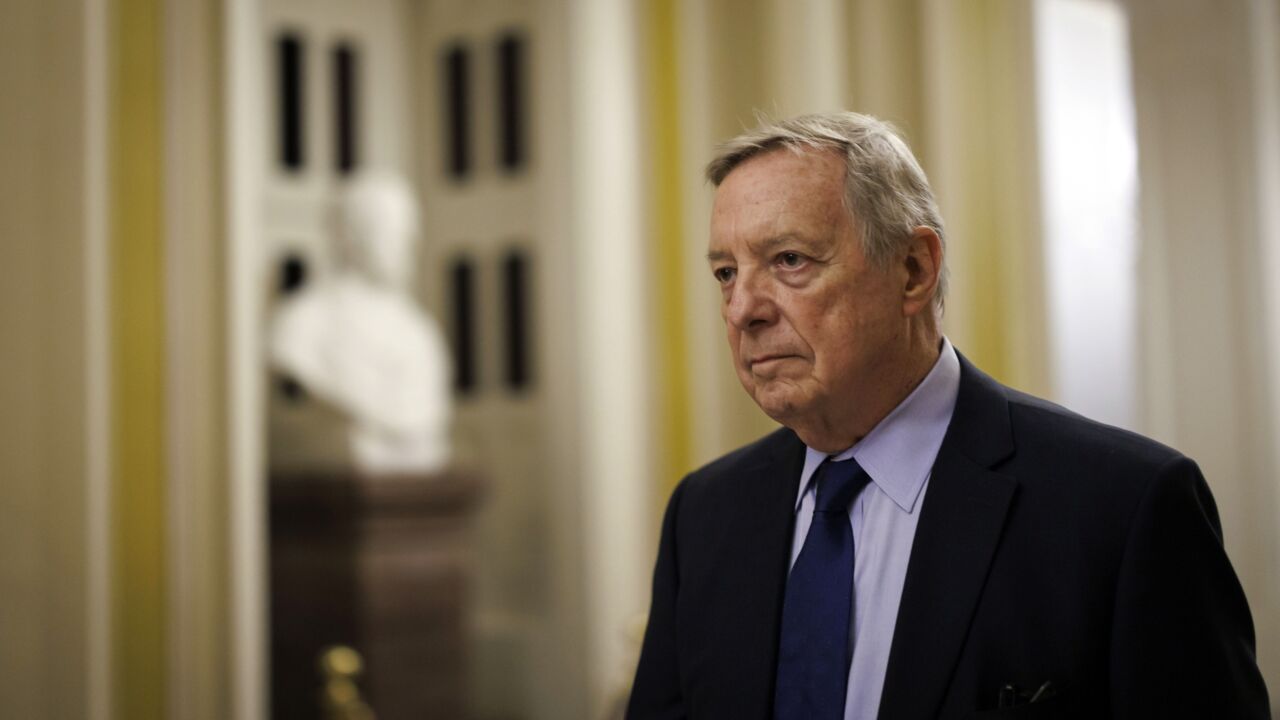
-
Sen. Tim Scott, R-S.C., ranking member of the Senate Banking Committee, introduced a Congressional Review Act resolution to undo the Consumer Financial Protection Bureau's credit card late fee rule.
April 8
-
Senate Majority Leader Chuck Schumer, D-N.Y., said that he would like to examine the proposed acquisition on "narrower bases."
April 8
-
The case over the Consumer Financial Protection Bureau's $8 late fee rule has emerged as a flashpoint in a larger debate over "judge shopping," whereby plaintiffs seek venues with judges sympathetic to their complaints.
April 8


-

As stablecoins and other cryptocurrencies enter the mainstream, lawmakers in Illinois have imposed a new transaction tax on digital assets. It will raise costs for everyday consumers and drive away businesses.

-

Yes, banks' capital burden will decline, leaving more potential funds available for lending. But the big question is which banks will find a way to deploy those funds to generate meaningful returns.

-

Restrictions that limit access to private market investments are harmful to ordinary investors, who are denied better returns. They also seal off a large potential source of funding for long-term infrastructure investments.


