
Banking Politics & Policy News
American Banker's Politics & Policy coverage delivers news and analysis on how legislative action, federal agency rulemaking, regulatory politics, and public policy debates shape banking strategy, risk, competition, and compliance. Coverage explores congressional priorities, executive branch initiatives, regulatory agency actions, and the political forces that shape and impact the operating environment for financial institutions, payments companies, fintechs and distributed finance companies.
Bank leaders must navigate a dynamic policy environment where congressional action, regulatory priorities, and political forces influence capital standards, supervisory expectations, digital asset frameworks, deposit insurance, consumer rules, and competitive dynamics.
-
Republican lawmakers spelled out concerns that the Financial Stability Oversight Council's ability to designate nonbank financial companies as systemically important could circumvent the lawmaking process when it comes to cryptocurrency.
 January 10
-
Federal Reserve Vice Chair for Supervision Michael Barr said feedback received will be incorporated into the final version of the capital reform rule.
 January 9
-
With the retirement of Rep. Blaine Luetkemeyer, R-Mo., the number of Congressional representatives with direct banking experience is becoming increasingly rare.
January 8
-
The president of the Federal Reserve Bank of Dallas and former manager of the central bank's open market account said a slower approach to balance sheet reduction may be warranted sooner rather than later.
January 8
-
A bill before the state legislature would create a public infrastructure bank, where municipalities could go to finance projects from affordable housing to bridges.
 January 7
-
Rep. Blaine Luetkemeyer, R-Mo., was seen as a frontrunner to replace outgoing Rep. Patrick McHenry as the top Republican on the House Financial Services Committee before his announced retirement from Congress Thursday afternoon.
January 4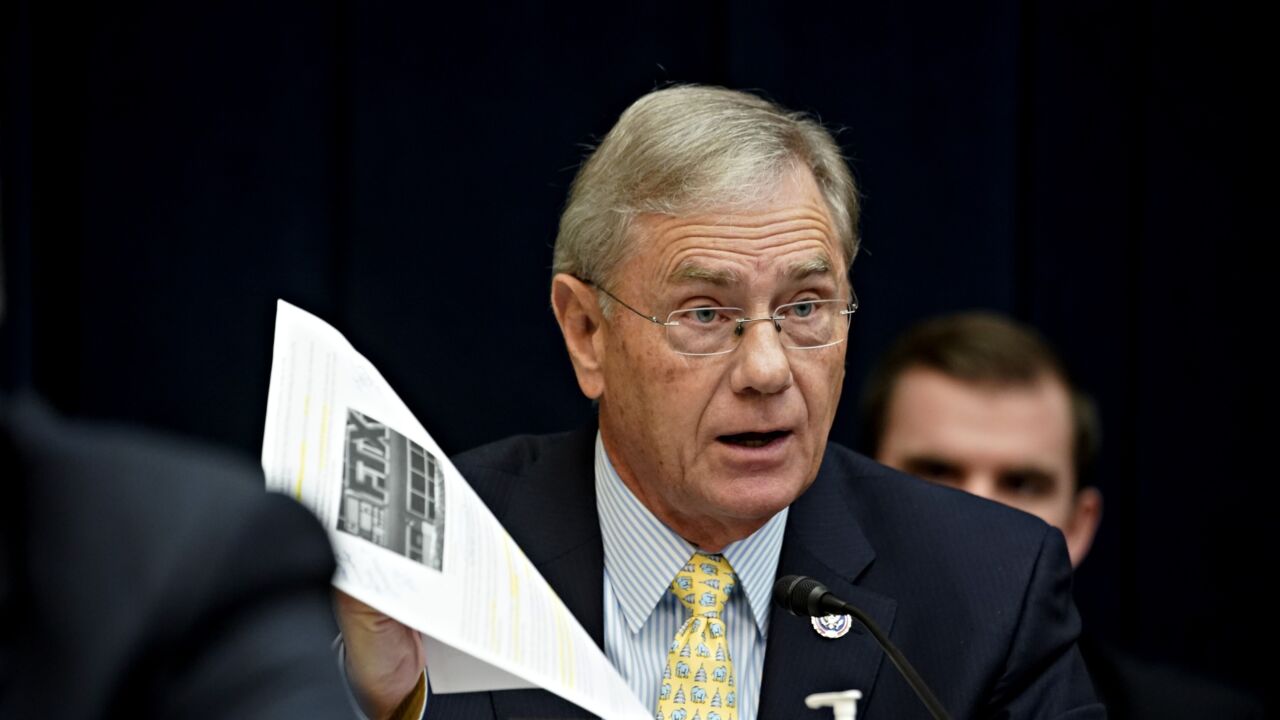
-
Federal Reserve officials point to overnight reverse repurchase agreement activity as an indication of excess liquidity, which the central bank is working to reduce. But some analysts say that excess liquidity may be drying up faster than expected, with important implications for banks.
January 4


-

In the year of the country's 250th anniversary celebrations, it's worth looking back at the long road the U.S. dollar took to global dominance, and the lessons we can learn from it.

-

As stablecoins and other cryptocurrencies enter the mainstream, lawmakers in Illinois have imposed a new transaction tax on digital assets. It will raise costs for everyday consumers and drive away businesses.

-

Yes, banks' capital burden will decline, leaving more potential funds available for lending. But the big question is which banks will find a way to deploy those funds to generate meaningful returns.


