
Banking Politics & Policy News
American Banker's Politics & Policy coverage delivers news and analysis on how legislative action, federal agency rulemaking, regulatory politics, and public policy debates shape banking strategy, risk, competition, and compliance. Coverage explores congressional priorities, executive branch initiatives, regulatory agency actions, and the political forces that shape and impact the operating environment for financial institutions, payments companies, fintechs and distributed finance companies.
Bank leaders must navigate a dynamic policy environment where congressional action, regulatory priorities, and political forces influence capital standards, supervisory expectations, digital asset frameworks, deposit insurance, consumer rules, and competitive dynamics.
-
Critics complain a bill sponsored by the leaders of the Senate Small Business Committee would reinstate a moratorium on participation in the SBA's flagship 7(a) program by nondepository lenders. Supporters of the bill argue that widening the program could invite more fraud.
 August 3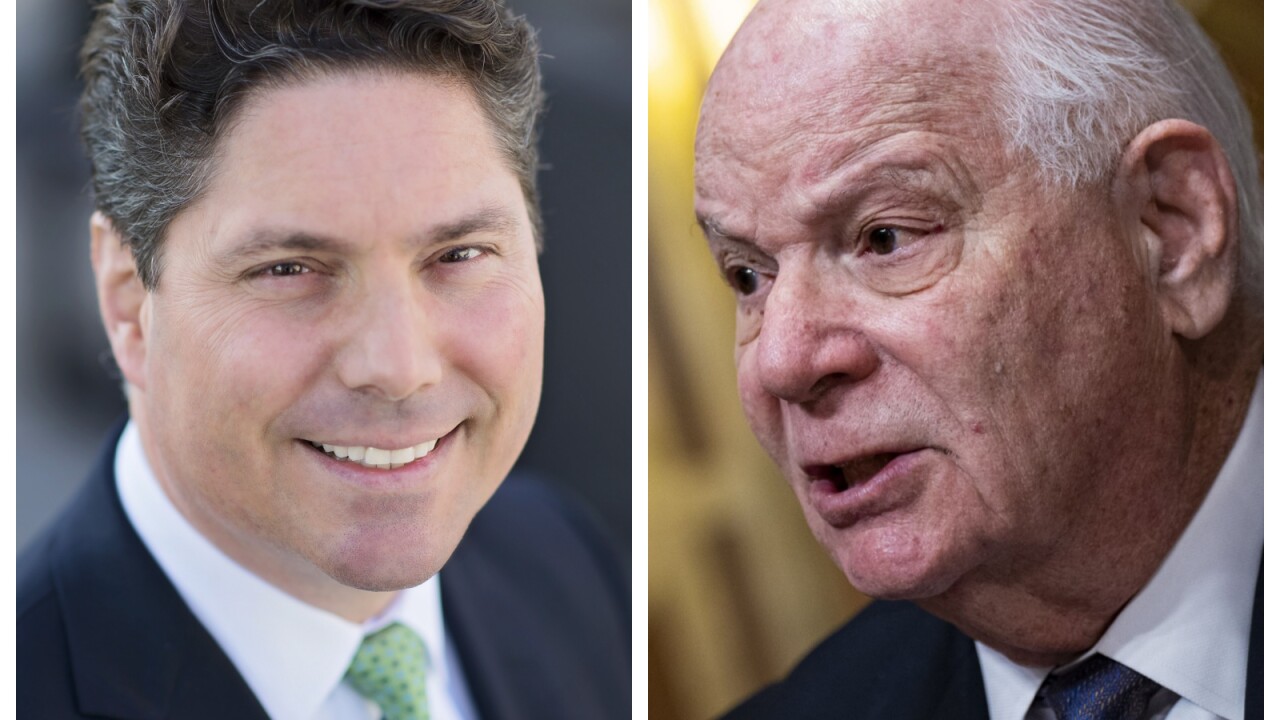
-
A group of House Republicans led by Rep. Young Kim, R-Calif., said that the Consumer Financial Protection Bureau doesn't have the authority to hold information discussions with the bureau's European Union counterparts.
 August 3
-
Despite big talk months ago, experts don't see a lot of political appetite to change bank oversight rules — or the deposit insurance system — in the wake of three large regional bank failures that happened earlier this year.
August 3
-
While financial markets wobbled after Fitch Ratings reduced the U.S. government's credit rating, analysts said the action should have little long-term impact, similar to a downgrade by Standard & Poor's in 2011. JPMorgan Chase CEO Jamie Dimon argued that Fitch's action "doesn't really matter that much."
 August 2
-
Regulators remain skeptical toward digital assets in the wake of major crypto-industry partner-bank failures, but in the absence of legislative direction, oversight of crypto is largely left to the Securities and Exchange Commission. The SEC's approach has been aggressive, but its authority has been muddied by recent court decisions.
 August 2
-
The Federal Reserve is leading the push for broader, more standardized risk-capital rules, yet some of its board members, other regulators and industry groups are uncomfortable with the proposal.
 August 1
-
While talks between House Financial Services Committee Chairman Patrick McHenry, R-N.C., and ranking member Rep. Maxine Waters, D-Calif., fell apart on stablecoin legislation, crypto anti-money-laundering bills quietly moved forward in the Senate.
July 31


-

In the year of the country's 250th anniversary celebrations, it's worth looking back at the long road the U.S. dollar took to global dominance, and the lessons we can learn from it.

-

As stablecoins and other cryptocurrencies enter the mainstream, lawmakers in Illinois have imposed a new transaction tax on digital assets. It will raise costs for everyday consumers and drive away businesses.

-

Yes, banks' capital burden will decline, leaving more potential funds available for lending. But the big question is which banks will find a way to deploy those funds to generate meaningful returns.


