
Banking Politics & Policy News
American Banker's Politics & Policy coverage delivers news and analysis on how legislative action, federal agency rulemaking, regulatory politics, and public policy debates shape banking strategy, risk, competition, and compliance. Coverage explores congressional priorities, executive branch initiatives, regulatory agency actions, and the political forces that shape and impact the operating environment for financial institutions, payments companies, fintechs and distributed finance companies.
Bank leaders must navigate a dynamic policy environment where congressional action, regulatory priorities, and political forces influence capital standards, supervisory expectations, digital asset frameworks, deposit insurance, consumer rules, and competitive dynamics.
-
A core issue in the upcoming fight over late fees involves what data is being collected on card issuers' costs and losses associated with late payments.
 February 3
 -
Pointing to an FDIC policy change in 2020, regulatory experts say it's time for the agency to revisit what constitutes a brokered deposit.
 February 2
-
The Federal Reserve Chair urged Congress to raise the debt ceiling, warning the impacts of not doing so could go beyond the central bank's ability to mitigate.
February 1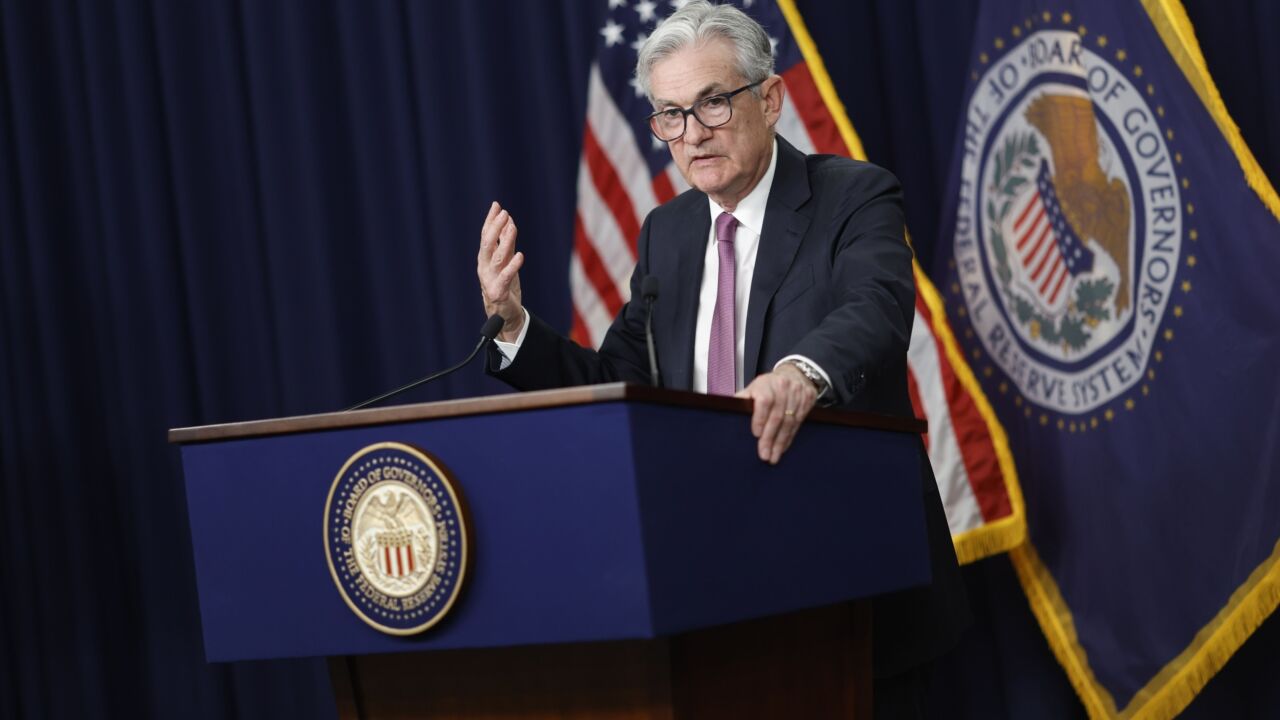
-
House Financial Services Committee Chairman Patrick McHenry, R-N.C., said that if legislation would increase spending, lawmakers need to offset that spending within the committee's jurisdiction.
 February 1
-
Federal Reserve officials quietly tightened internal restrictions on employees' political activities after several reserve banks ran afoul of Congress over real or perceived engagement on issues within the domain of elected officials.
February 1
-
The group, led by Senate Banking Chairman Sen. Sherrod Brown, said nonperforming loans sold to single family housing rental businesses or private equity firms results in the displacement of homeowners.
February 1
-
Consumer Financial Protection Bureau Director Rohit Chopra plans to propose a rule to set late fees at reasonable levels and no longer peg late fees to inflation.
February 1


-
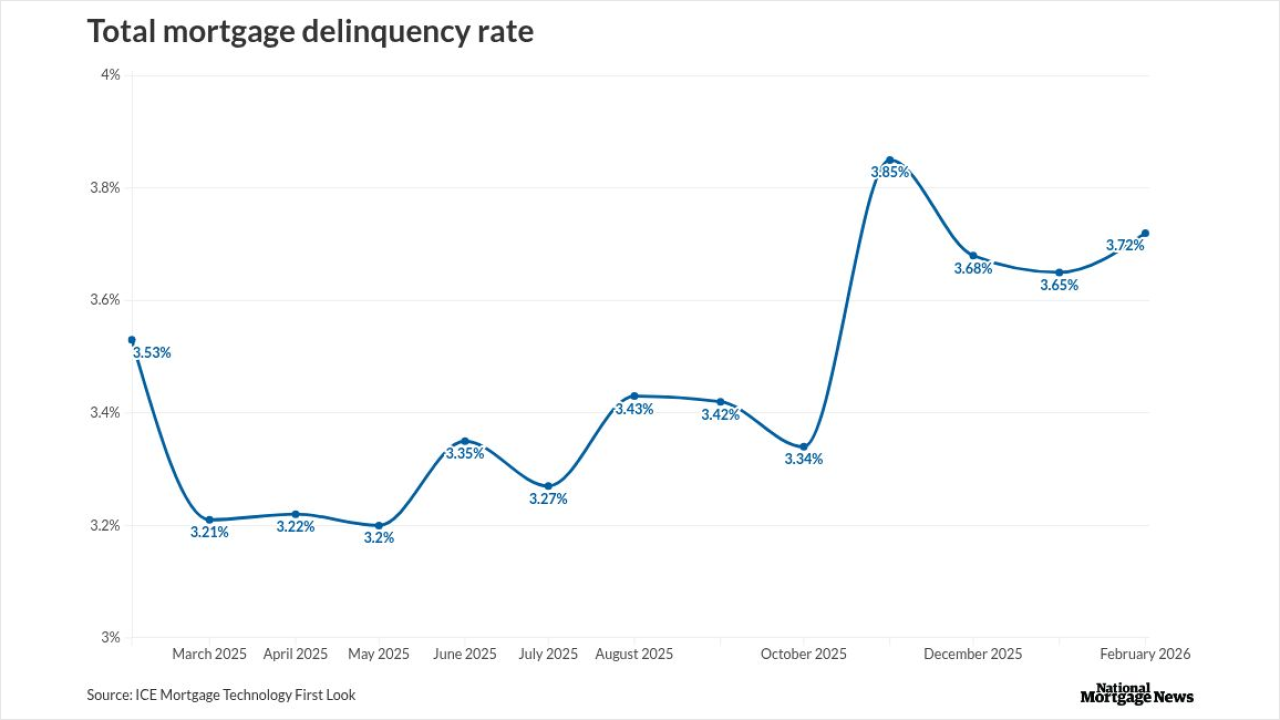
As written, new capital standards for U.S. banks fail to account for the additional risk posed by many home loan clients who obtain second mortgages. Fixing the problem will significantly reduce the rule's benefit to banks.

-
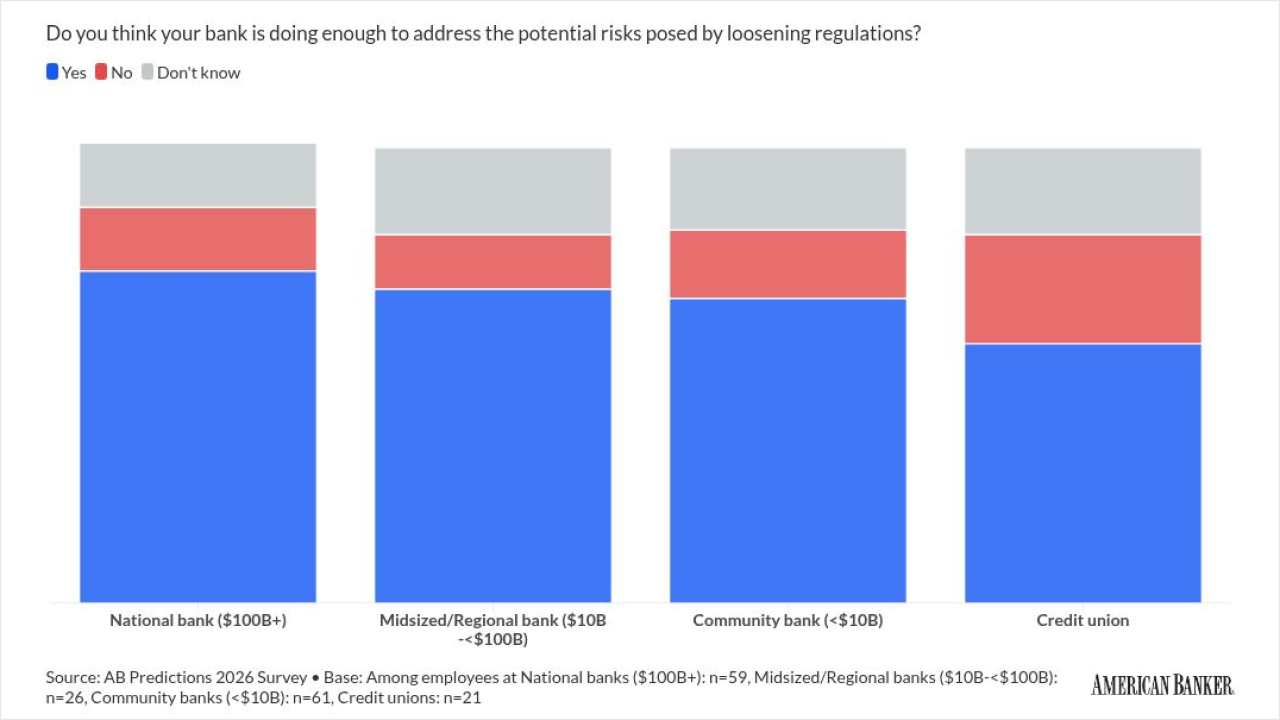
The only thing we know about the next financial crisis is that it won't look like the last one. But specific changes to bank safety and soundness requirements and clearer regulatory authorities would help us respond.

-

In the year of the country's 250th anniversary celebrations, it's worth looking back at the long road the U.S. dollar took to global dominance, and the lessons we can learn from it.


