-
In a shifting regulatory environment, CCOs must move from a posture of constraint toward one of enablement, becoming entrepreneurial strategic leaders.
August 21
-
The stablecoin technology firm and about two dozen companies have joined to standardize authorization and other risk management for agentic commerce.
 August 18
-
The New York State Department of Financial Services warned banks about a security vulnerability in IT software. Now it's acknowledged some companies it oversees were affected by it.
 August 17
-
As AI agents promise a future where payments self-execute and investment portfolios rebalance without human intervention, some fear that retail banking is the next logical evolution for agent-led automation. Financial institutions may not be doing enough to stop it.
 August 14
-
The company, which says it serves 93% of credit unions, expects most key processes to run by mid-August. Its status page still said "Investigating" Wednesday.
August 12
-
CISA's updated standard asks vendors for every component in their software, including borrowed code. Two researchers say today's tools can't produce it.
August 3
-
The central bank banned two former bankers from the industry for misappropriating funds from elderly customers.
 July 30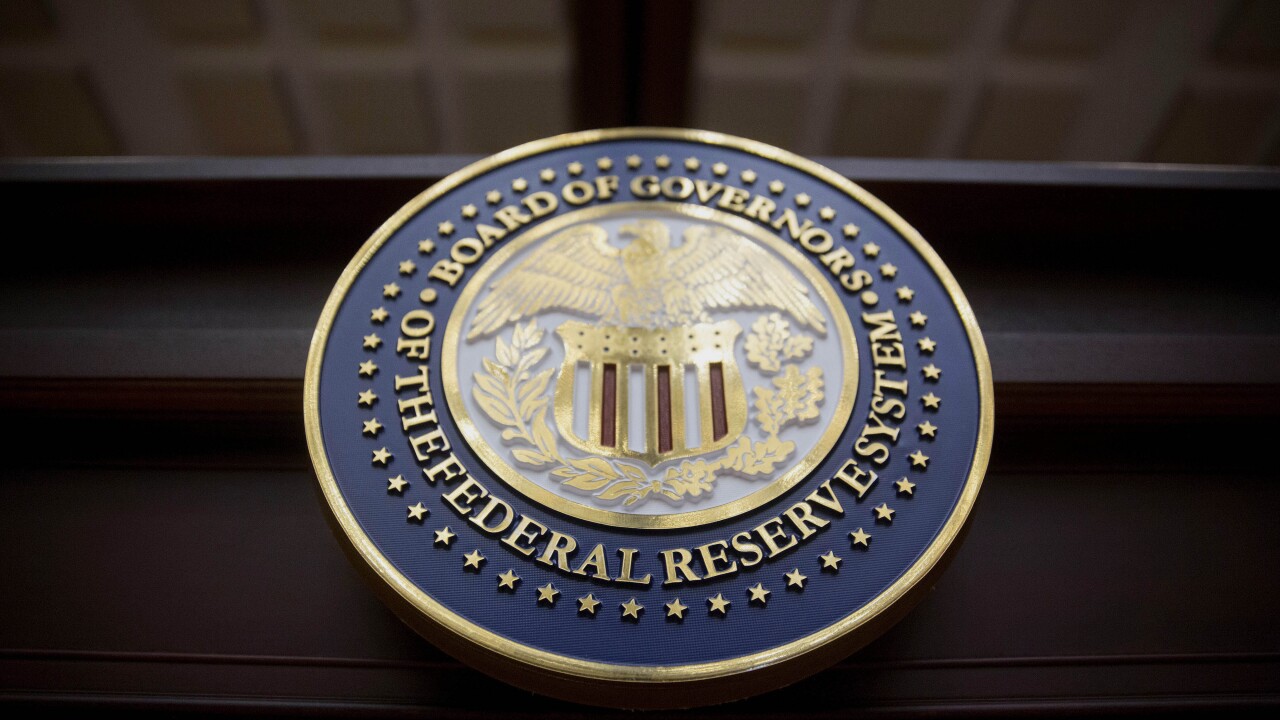
-
Heading into this week's Federal Open Market Committee meeting, the Fed's core indicators are painting a different picture of the economy than real-time measures, injecting more uncertainty into Wednesday's FOMC meeting than usual.
July 28
-
Staffers from the Federal Reserve Board and reserve banks took 'several months' to update bank supervisory marks after issues were resolved, a recent inspector general report found.
July 23 -
The class action is an early test of whether credit unions can hold their vendors liable for the cybersecurity they promise.
July 21
-
In a new paper, the frontier model creator shares how its LLM processes information and generates responses. This could open doors to training, interpretability and governance issues for banks that aim to use it.
 July 21
-
The central bank's long-held independence from government interference is under siege and its role as a regulator may be a wedge the president uses against it.
 July 21
-
The Supreme Court may have allowed the central bank to chart its own course on bank oversight for now, but discrepancies between two recent rulings set the stage for challenges.
July 20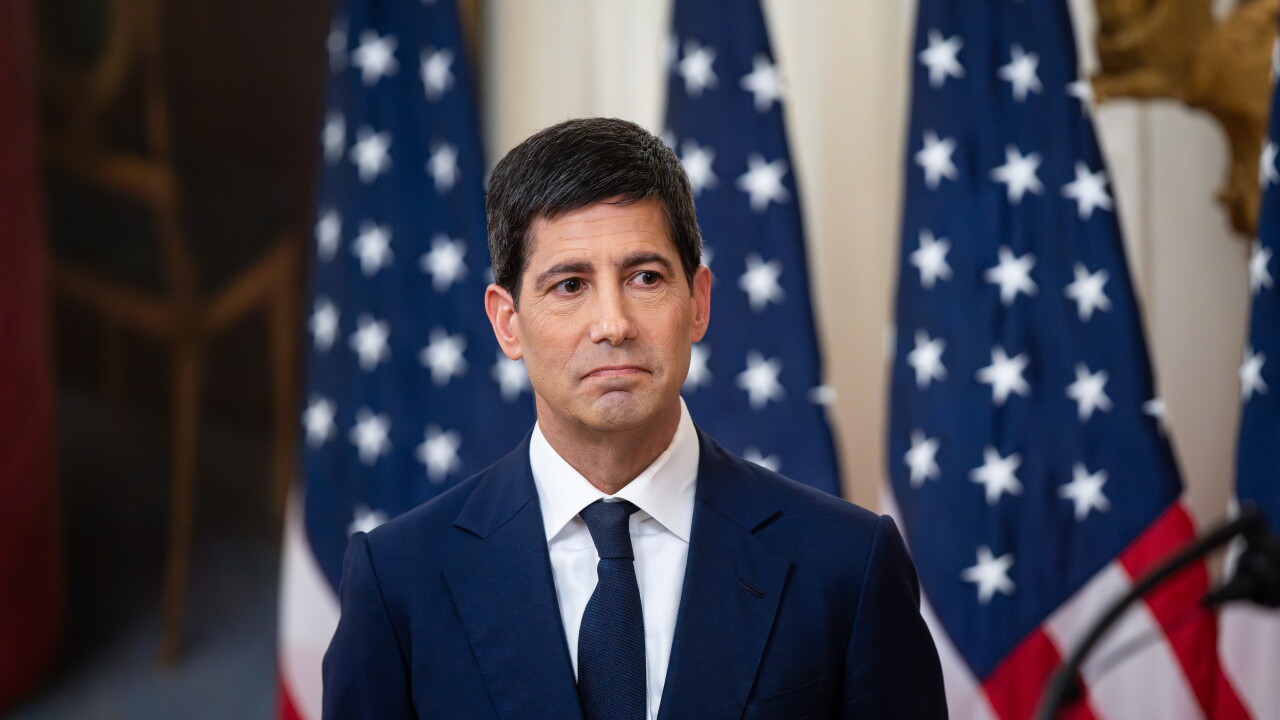
-
Amid warnings that a future slowdown in AI capital spending could pose a systemic threat, executives at Regions Financial said they're preparing the same way they would for any other credit concentration.
 July 17
-
The central bank failed to prevent critical economic information from falling into the hands of "foreign adversaries," according to a report from its inspector general.
July 16
-
A one-time chief lending officer for Heritage State Bank has been barred from the industry for signing off on mortgages backed by over-valued appraisals.
July 16 -
The only thing we know about the next financial crisis is that it won't look like the last one. But specific changes to bank safety and soundness requirements and clearer regulatory authorities would help us respond.
July 14 Bovenzi Group
 -
The order covers the European units of JPMorganChase, Goldman, Citi and Morgan Stanley, and previews what U.S. regulators may eventually demand.
July 7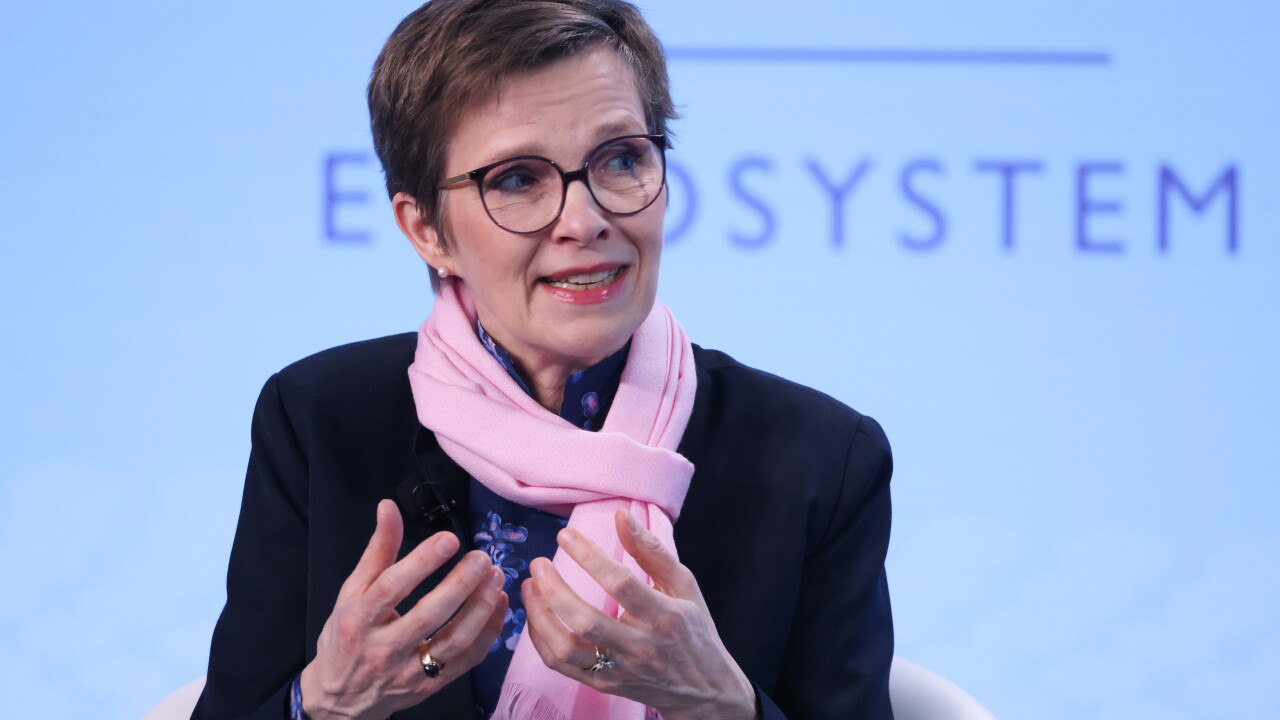
-
Now that the code underlying payment systems can be rewritten faster than its reliability can be checked, banks and payments processors need to adopt new methods of verifying that changes are safe and stable.
July 3
-


