
Banking Politics & Policy News
American Banker's Politics & Policy coverage delivers news and analysis on how legislative action, federal agency rulemaking, regulatory politics, and public policy debates shape banking strategy, risk, competition, and compliance. Coverage explores congressional priorities, executive branch initiatives, regulatory agency actions, and the political forces that shape and impact the operating environment for financial institutions, payments companies, fintechs and distributed finance companies.
Bank leaders must navigate a dynamic policy environment where congressional action, regulatory priorities, and political forces influence capital standards, supervisory expectations, digital asset frameworks, deposit insurance, consumer rules, and competitive dynamics.
-
A proposal by the Consumer Financial Protection Bureau to rein in credit card late fees could result in changes to a "safe harbor" that would favor consumers rather than financial institutions.
 January 19
-
In a speech delivered Thursday afternoon, the Federal Reserve's vice chair said she does not see a wage-price spiral driving inflation, but rather a "price-price spiral."
 January 19
-
The U.S. government reached its limit on how much money it can borrow on Thursday, teeing up a high-stakes battle in Congress.
 January 19
-
The Consumer Financial Protection Bureau says companies need to clearly and conspicuously disclose terms of subscription services and get informed consent from consumers.
January 19
-
Both Silvergate and Signature banks, two of the most active crypto counterparties in the banking sector, received advances from the quasi-governmental lenders to offset falling deposits.
January 19
-
Authorities gained from Russian sanctions legislation helped law enforcement build the case against Hong Kong-based exchange.
 January 18
-
Fannie Mae has selected five organizations to share in a $5 million pilot program aimed at expanding and promoting affordable housing and Black homeownership.
January 18


-
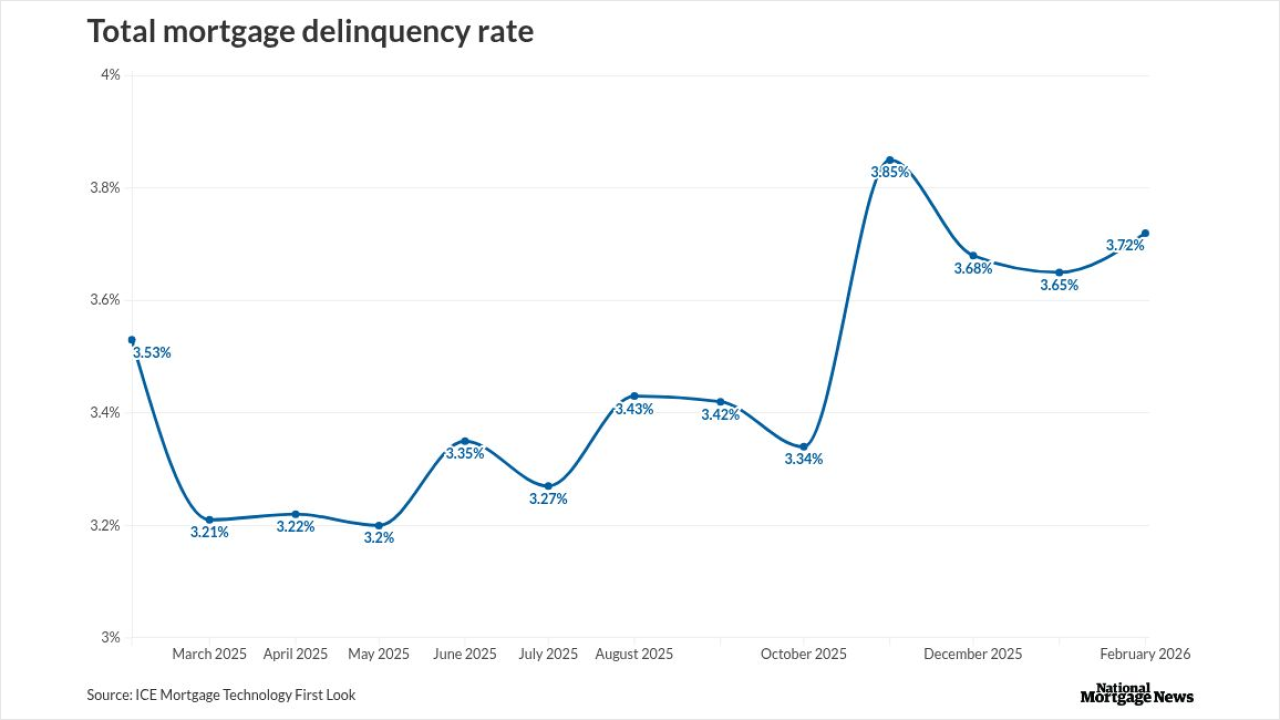
As written, new capital standards for U.S. banks fail to account for the additional risk posed by many home loan clients who obtain second mortgages. Fixing the problem will significantly reduce the rule's benefit to banks.

-
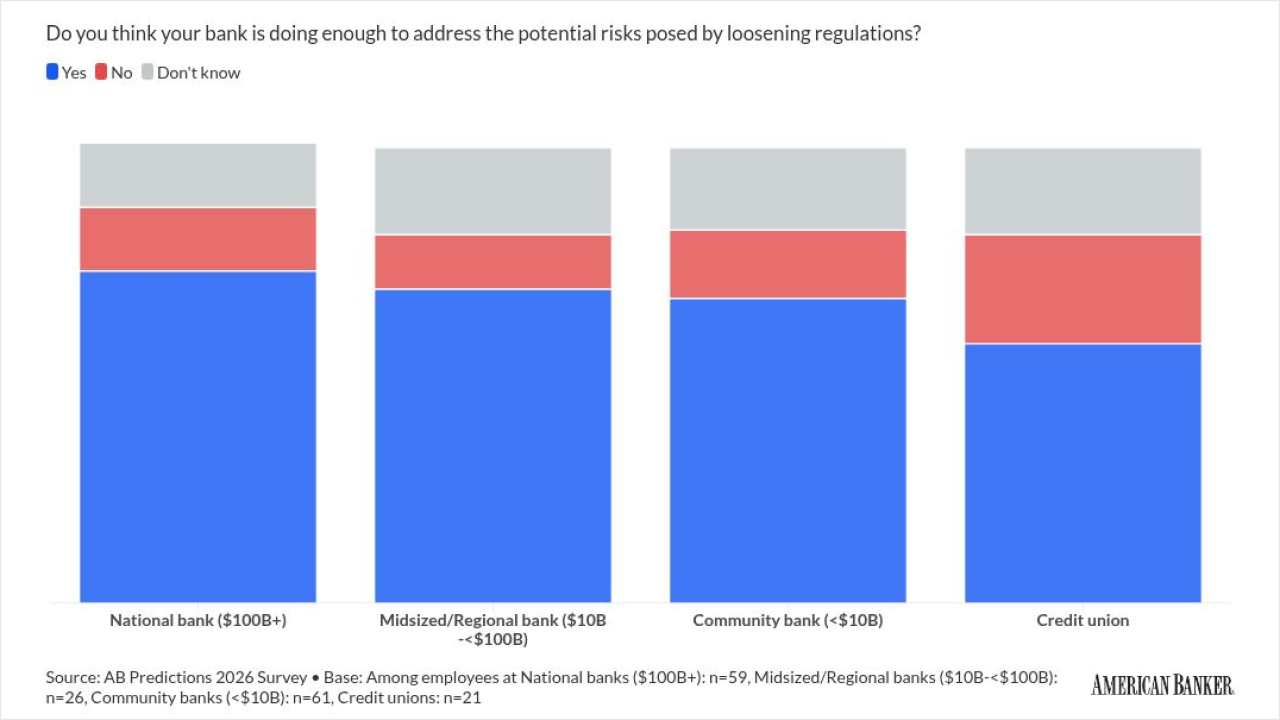
The only thing we know about the next financial crisis is that it won't look like the last one. But specific changes to bank safety and soundness requirements and clearer regulatory authorities would help us respond.

-

In the year of the country's 250th anniversary celebrations, it's worth looking back at the long road the U.S. dollar took to global dominance, and the lessons we can learn from it.


