
Banking Politics & Policy News
American Banker's Politics & Policy coverage delivers news and analysis on how legislative action, federal agency rulemaking, regulatory politics, and public policy debates shape banking strategy, risk, competition, and compliance. Coverage explores congressional priorities, executive branch initiatives, regulatory agency actions, and the political forces that shape and impact the operating environment for financial institutions, payments companies, fintechs and distributed finance companies.
Bank leaders must navigate a dynamic policy environment where congressional action, regulatory priorities, and political forces influence capital standards, supervisory expectations, digital asset frameworks, deposit insurance, consumer rules, and competitive dynamics.
-
More central bank communication leads to more trust and more accurate inflation expectations among the public, a study from the National Bureau of Economic Research concludes. But while other central banks have found creative ways to get their message across, the Federal Reserve has not.
 July 26
-
A senior U.S. Republican lawmaker accused China of a broad campaign to obtain confidential information from the Federal Reserve, including recruiting central bank staffers and detaining a Fed employee visiting Shanghai.
July 26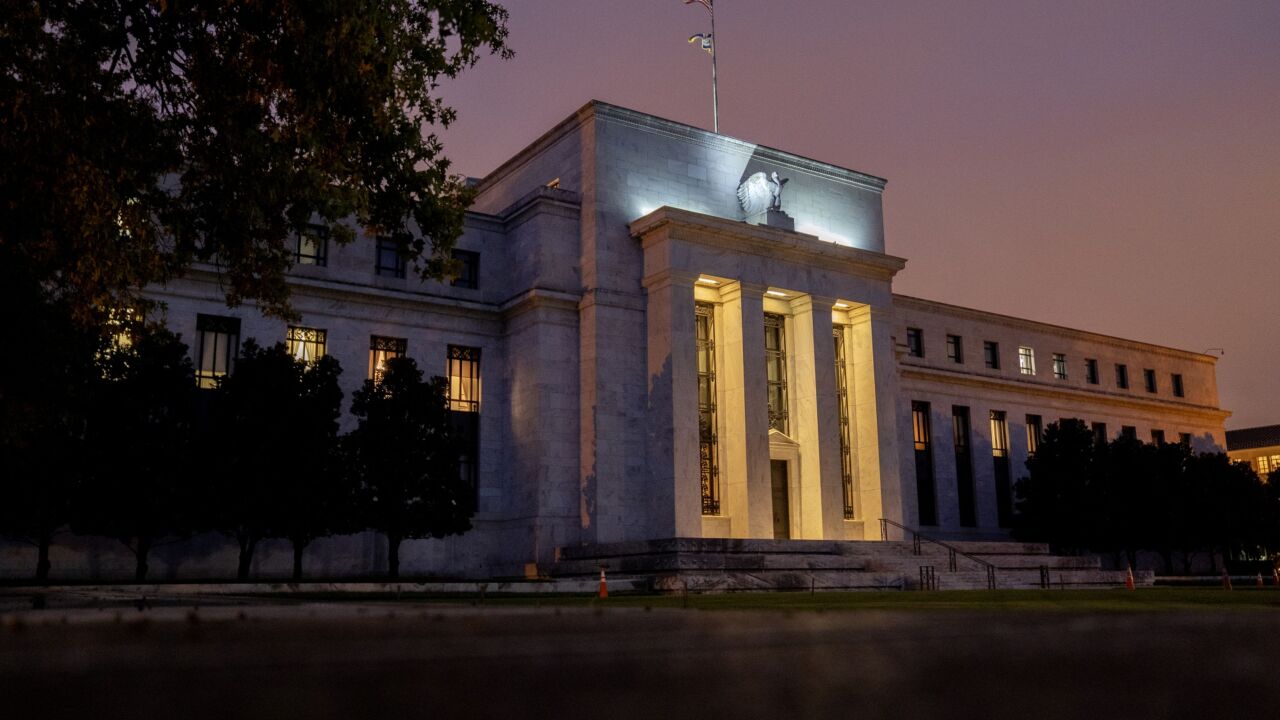
-
Rumors of a bipartisan bill to set common standards for stablecoins have been circulating for more than a week, but any legislation will now have to wait until after the August recess.
 July 25
-
Climate change, gun control and the overturning of Roe v. Wade are just some of the latest issues banks are addressing.
 July 22
-
While skeptics still outnumber true believers, recent speeches and reports from policymakers show a greater willingness to entertain the idea of a central bank digital currency.
July 21
-
Colorado Democratic Rep. Ed Perlmutter's pot banking bill would create legal certainty for banks to do business with the legal cannabis industry and reduce the industry’s reliance on cash.
 July 21
-
The senators called for the Consumer Financial Protection Bureau to consider more instant transactions to be categorized as “errors” or “unauthorized,” making them the responsibility of institutions rather than customers.
July 21


-
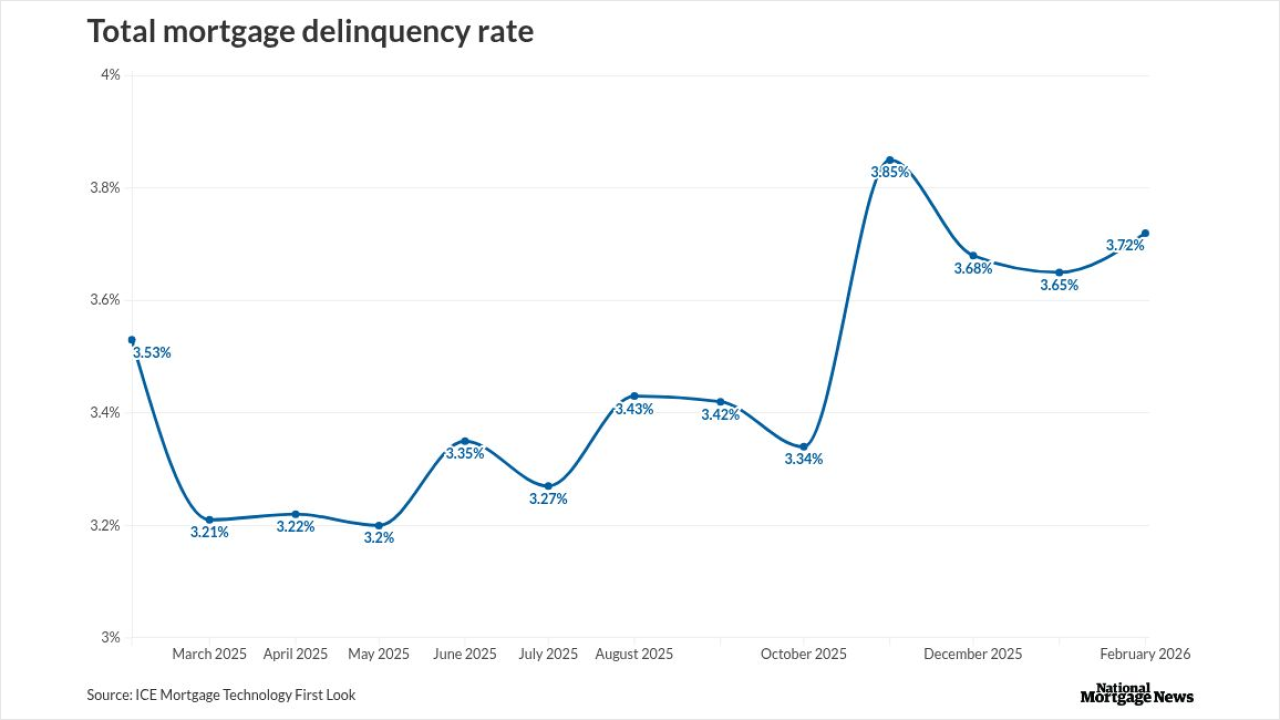
As written, new capital standards for U.S. banks fail to account for the additional risk posed by many home loan clients who obtain second mortgages. Fixing the problem will significantly reduce the rule's benefit to banks.

-
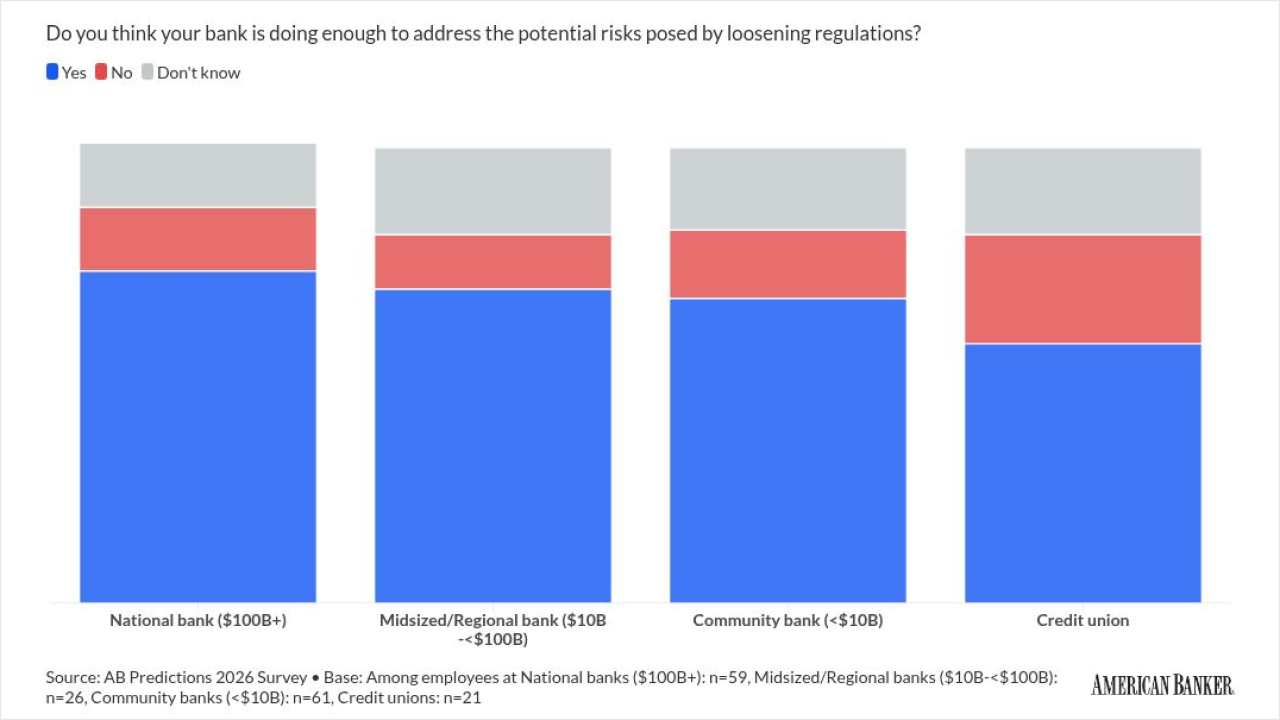
The only thing we know about the next financial crisis is that it won't look like the last one. But specific changes to bank safety and soundness requirements and clearer regulatory authorities would help us respond.

-

In the year of the country's 250th anniversary celebrations, it's worth looking back at the long road the U.S. dollar took to global dominance, and the lessons we can learn from it.


