
Banking Politics & Policy News
American Banker's Politics & Policy coverage delivers news and analysis on how legislative action, federal agency rulemaking, regulatory politics, and public policy debates shape banking strategy, risk, competition, and compliance. Coverage explores congressional priorities, executive branch initiatives, regulatory agency actions, and the political forces that shape and impact the operating environment for financial institutions, payments companies, fintechs and distributed finance companies.
Bank leaders must navigate a dynamic policy environment where congressional action, regulatory priorities, and political forces influence capital standards, supervisory expectations, digital asset frameworks, deposit insurance, consumer rules, and competitive dynamics.
-
A passivity agreement with the FDIC means that when the asset management giant Vanguard owns more than 10% of an FDIC-overseen bank, it can't seek certain levels of control over the bank's behavior.
 December 27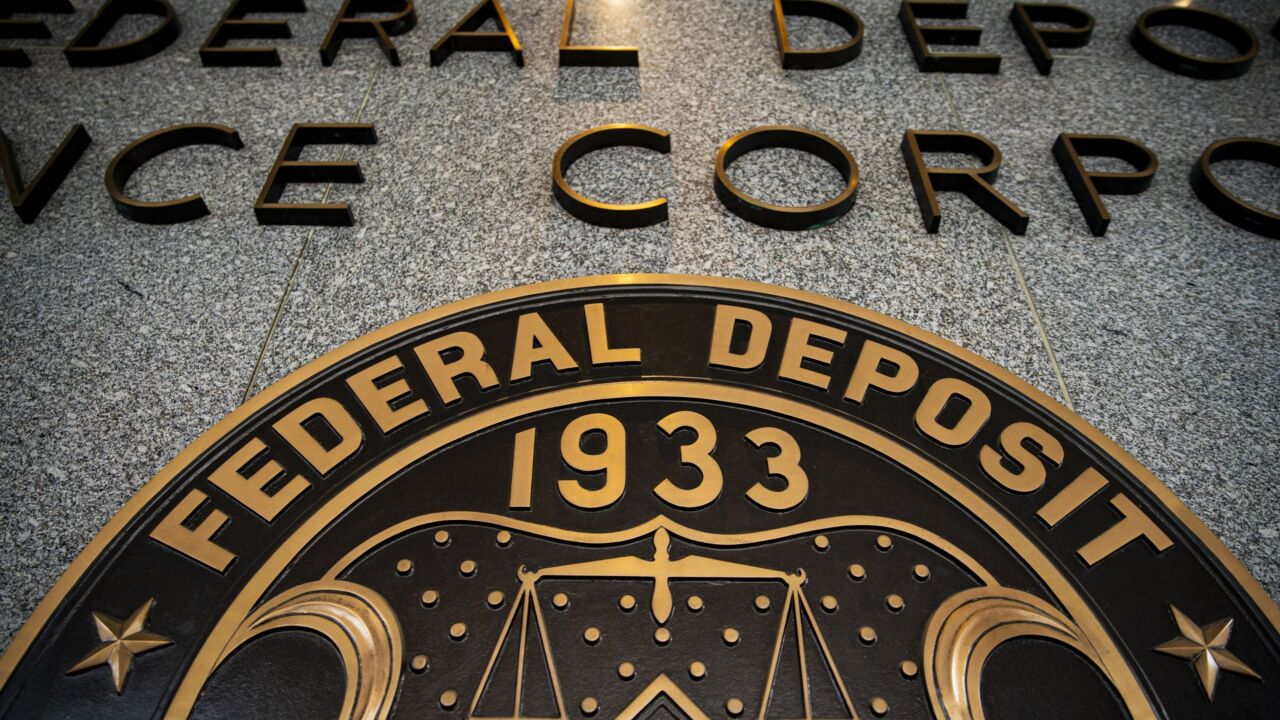
-
The president-elect's history of deregulatory financial services policies could offer some benefits to minority businesses and consumers, but the more likely outcome is reduced access to capital and higher costs.
December 27
-
The Bank Policy Institute, the American Bankers Association and others said proposed changes would address "some if not all" of banks' concerns about stress tests, but they are filing the lawsuit to preserve their legal right to do so.
December 24
-
The Federal Reserve will seek comment on the current stress-testing regime with an eye toward increasing transparency and reducing volatility. Modifications would not go into effect until at least 2026.
 December 23
-
The industry agenda calls for amending longstanding rules like loan officer compensation, to nixing Biden-era plans trade groups say hurt both consumers and industry players.
 December 23
-
Releasing the GSEs from government conservatorship is on the agenda for the incoming Trump administration. Doing so could threaten the 30-year fixed rate mortgage.
December 23
-
Economists say the U.S. economy is leaving 2024 healthy, with unemployment low, inflation manageable and growth robust. Unknown variables — including the depth and scope of President-elect Donald Trump's immigration and tariff policies — could change that course, but likely not until 2026.
 December 23


