-
A survey from the investment marketplace iCapital suggests that concerns about private credit have not derailed advisors' growing desires to place more clients in alternative investments.
 August 11
-
With retail investors projected to allocate $2 trillion into private equity, credit and similar investments over the next five years, asset managers are increasingly acting as a bridge to previously exclusive opportunities.
August 10
-
Berger Financial Group plans to more than double its footprint and staff, and Investcorp is looking at more opportunities beyond supporting Berger in the "untapped" wealth space.
 August 7
-
RIA owners may feel a "moral dilemma" when considering selling their firms to private equity-backed acquirers. But that didn't prevent PE involvement from reaching a record high in M&A deals in the second quarter.
August 3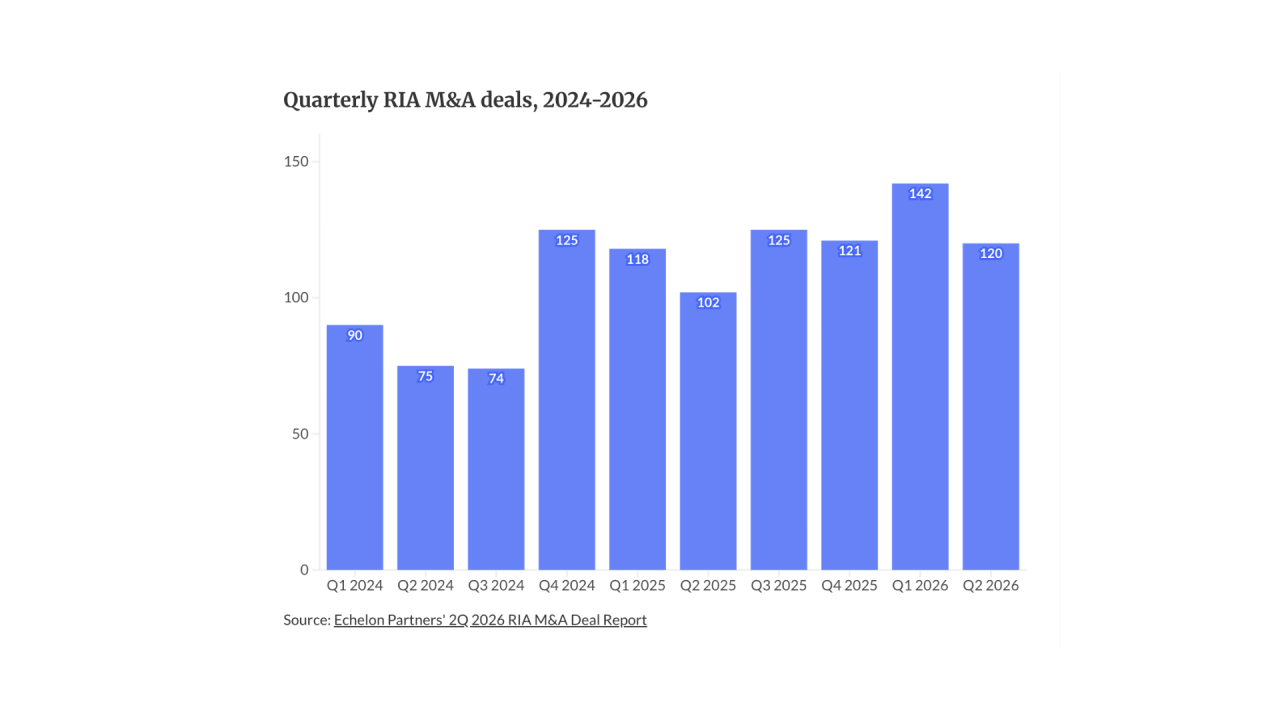
-
Life insurers have offloaded long-term policyholder liabilities into offshore reinsurance and captive subsidiaries, raising concerns over state oversight of opaque investment vehicles and whether insurers have adequately funded claims.
 June 22
-
A report from the Financial Stability Board said limited transparency in the private credit market makes it difficult for regulators to monitor and understand risks, potentially masking challenges to the financial system.
 May 28
-
The Treasury Department held a high-stakes huddle with state insurance officials to discuss risks associated with the rapid growth of private credit in the economy and whether those investments could pose systemic vulnerabilities.
May 7
-
Evaluating private equity performance is notoriously difficult due to lack of transparency. Asking these 3 questions makes it easier for financial advisors.
May 6 HarbourVest Partners
 -
The intersection between HNW clients and private markets is no longer about distribution, but integration.
April 8 Allocate
 -
The Federal Deposit Insurance Corp. rolled back a 2009 policy that banned nonbanks from buying failed banks, a move the agency says aims to widen the bidder pool and cut failure costs.
 March 19
-
PE money eviscerates an RIA's client-first culture, leading to advisor burnout and turnover.
March 11 XYPN
XYPN -
The investors agreed to buy 499 million shares of Citi's Mexican retail unit for around $2.5 billion. The sale was at a small premium to the initial stake the megabank sold to Mexican billionaire Fernando Chico Pardo last year.
February 23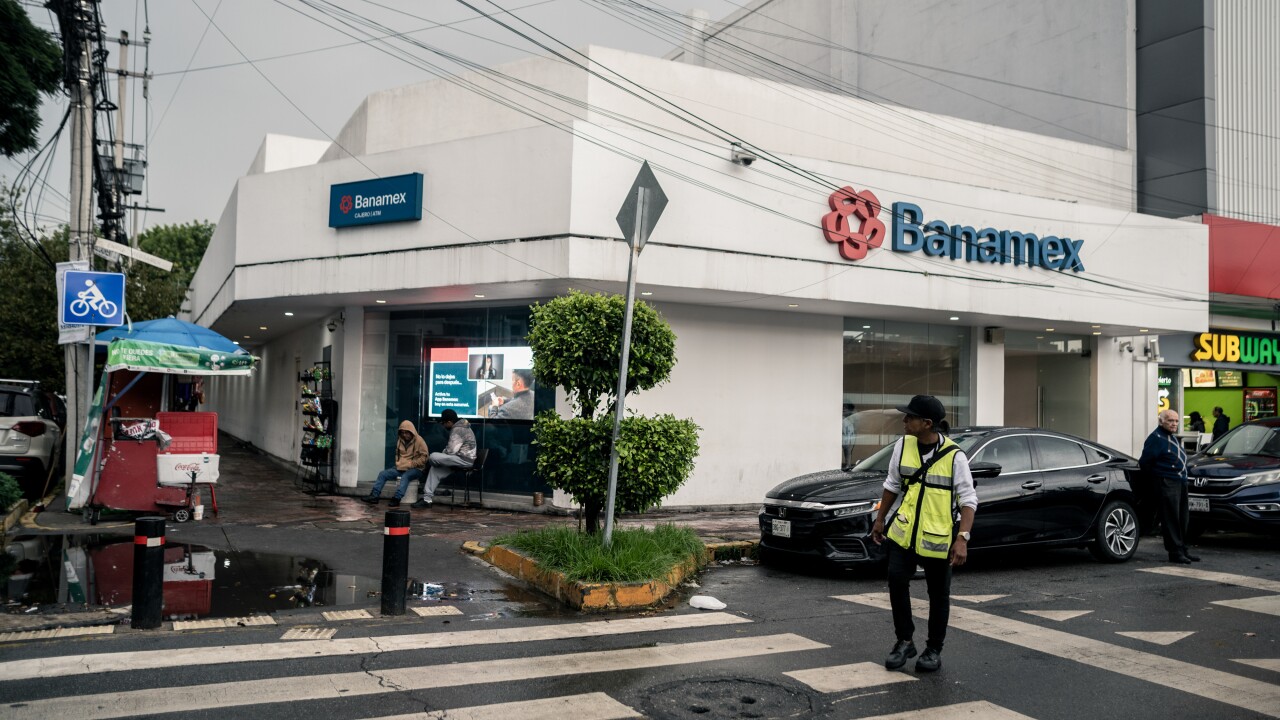
-
Investors in alternative assets like private equity, private capital and venture capital often lock their money in for years, but Pluto's founders say its marketplace matches these wealthy investors who need cash with banks and investment firms willing to lend against those illiquid assets.
 January 8
-
The student lending giant offered forecasts of future earnings that were far below Wall Street's expectations. In recent months, Sallie Mae has been upbeat about the new opportunities it sees under the Trump administration.
 December 9
-
The Federal Reserve played a behind-the-scenes role in facilitating the sale of PacWest Bancorp, providing an enticement to private-equity interests to make a deal happen, according to agency records and recent comments by a prominent banking lawyer.
 November 20
-
As opportunities grow for private student lending, Sallie Mae has entered a multiyear "strategic partnership" with the world's largest private equity firm.
November 12
-
The United States is reindustrializing, with a focus on manufacturing and advanced production. For investors willing to move beyond conventional narratives, these sectors offer substantial growth potential, fueled by both policy support and private sector demand.
March 25
-
A blend of equity, private debt and public investment drove the country's growth in the Industrial Revolution. To remain globally competitive, the U.S. needs more creative financing of large infrastructure projects.
March 13
-
The issue of how private equity interacts with consumer-facing businesses is getting more scrutiny among Democratic lawmakers and policymakers, including Democratic presidential nominee and Vice President Kamala Harris.
 October 10
-
The infrastructure fund dubbed BXINFRA targets individuals with at least $5 million of investments.
August 7


