
Stablecoins
How are banks approaching dollar-backed digital assets (stablecoins)?
Stablecoins have moved from the edge of the
Banks are testing stablecoins for cross-border payments, liquidity management, and digital wallets. Some are also exploring how stablecoins can support interbank transactions or be issued directly by regulated institutions. As the landscape takes shape, stablecoins are starting to look less like an experiment and more like infrastructure.
-
The Federal Reserve is closing in on the launch of its real-time payment settlement system next year. By that time it will be six years behind the private-sector alternative, and it could prove to be redundant to a future Fed-issued digital currency.
August 30 American Banker
 -
Rep. Raja Krishnamoorthi, an Illinois Democrat who chairs the House Oversight Committee's consumer protection panel, sent letters to regulators and crypto exchanges demanding more be done to curb crypto fraud.
 August 30
-
The Bank Policy Institute and the American Bankers Association asked acting Comptroller of the Currency Michael Hsu to deny Sen. Elizabeth Warren's request to rescind Trump-era cryptocurrency guidance.
 August 26
-
The crypto industry yearns for clarity on stablecoin regulations, but allowing the central bank to set the rules of the road would stifle innovation.
August 26 Patomak Global Partners
 -
The Wyoming crypto bank is attempting to force the Federal Reserve's hand on master account policy. The Fed would rather go at its own pace.
 August 24
-
Voyager Digital won a bankruptcy judge's permission to pay $1.6 million in bonuses to employees deemed critical to the insolvent crypto lender's future.
August 24
-
HV Bancorp is gaining access to $100 million in fresh funding by agreeing to sell loan participations to MakerDAO, creator of the Dai cryptocurrency.
 August 23
-
One of the most popular lending platforms for holders of nonfungible tokens such as Bored Apes to borrow against their collections is revising its terms after a drop in prices threatened to trigger the liquidation of much of the collateral backing many of the loans.
August 23
-
Rep. Tom Emmer, R-Minn., said the issues raised by the sanctions affect the "right to privacy of every American citizen."
August 23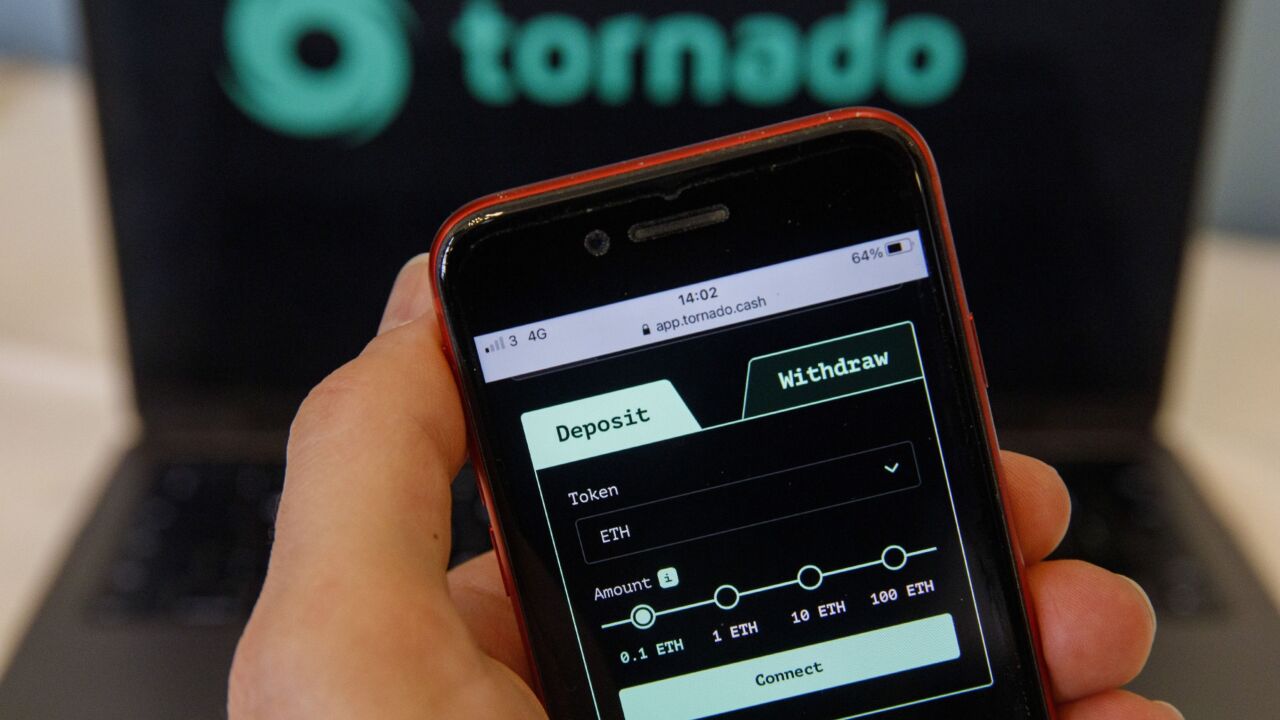
-
A former money manager for Celsius Network deceived the company about his investing abilities and lost or stole tens of millions of dollars in assets, the bankrupt crypto lender alleged in a lawsuit Tuesday.
August 23


The first three months of the year coincide with the start of President Donald Trump's second term in office. Investors are likely to be more interested in banks' outlooks amid swings in tariff policy than the first-quarter results.


Frequently Asked Questions:
How are banks approaching dollar-backed digital assets (stablecoins)?
Stablecoins have moved from the edge of the crypto, world to the center of policy and banking conversations. As regulators and banks weigh their role in payments, settlement, and reserves, this page follows the developments — from early pilots to proposed legislation.
Banks are testing stablecoins for cross-border payments, liquidity management, and digital wallets. Some are also exploring how stablecoins can support interbank transactions or be issued directly by regulated institutions. As the landscape takes shape, stablecoins are starting to look less like an experiment and more like infrastructure.
Why are banks paying attention to stablecoins?
Stablecoins are increasingly viewed as a potential upgrade to legacy payments systems. Banks are evaluating them for settlement, remittances, cross-border transactions, and tokenized deposit models.Are banks issuing their own stablecoins?
Some are exploring the option. Institutions like JPMorgan (with JPM Coin) and new entrants like PayPal are piloting bank-issued stablecoins, while others are watching regulatory developments before moving forward.How do stablecoins impact compliance and risk?
Issues include KYC/AML enforcement, cybersecurity, operational risk, and how reserve assets are held and reported. Banks exploring stablecoin activity must weigh both technological benefits and regulatory scrutiny.How are regulators responding to stablecoin innovation?
Congress is debating stablecoin-specific bills focused on reserve backing, issuer licensing, and oversight. The Federal Reserve, OCC, and state regulators are also shaping how bank involvement in stablecoin activity is supervised.How are banks using stablecoin?
Banks are using stablecoins to speed up cross-border payments, manage liquidity across global branches in real time, and test new forms of settlement between institutions. Some are integrating stablecoins into retail-facing digital wallets, while others are exploring interbank networks built on tokenized payments. These efforts are less about crypto speculation and more about making money move faster, with greater transparency and fewer intermediaries.- Real-time cross-border payments
- Internal liquidity management
- Retail-facing digital wallets
- Interbank tokenized payment networks
Top banks investing in stablecoin
List of institutions with greatest investment in stablecoin:- JPMorgan Chase – JPM Coin
- Custodia Bank – Avit Tokens
- Citigroup - Citi Token Services
- Societe Generale - USD CoinVertible
- Bank of America - Name yet to be released
- Fifth Third - Name yet to be released
- U.S. Bancorp - Name yet to be released