
Stablecoins
How are banks approaching dollar-backed digital assets (stablecoins)?
Stablecoins have moved from the edge of the
Banks are testing stablecoins for cross-border payments, liquidity management, and digital wallets. Some are also exploring how stablecoins can support interbank transactions or be issued directly by regulated institutions. As the landscape takes shape, stablecoins are starting to look less like an experiment and more like infrastructure.
-
Google has hired former PayPal executive Arnold Goldberg to run its payments division and set a new course for the business after it scrapped a push into banking.
January 19
-
The new offering’s loan structure is designed to hedge against digital currency's price volatility.
 January 19
-
SoFi Bank, which is expected to open next month, emerges from the company’s purchase of a small community bank in California. It will not be allowed to engage in crypto-asset activities without its primary regulator’s approval.
 January 18
-
While money market fee waivers ate into the company’s revenue last quarter, as low interest rates led asset managers to make concessions to customers, executives predict a turnaround in 2022 after the Federal Reserve starts monetary tightening.
 January 18
-
UniCC is the the largest dark web vendor of stolen credit cards, with $358 million in purchases made through the market since 2013 using cryptocurrencies, according to a blockchain forensics firm.
January 13
-
The card brands are pursuing partnerships with banks, government agencies and merchants, with a goal of building networks and services to accommodate the rise of central bank digital currencies.
 January 13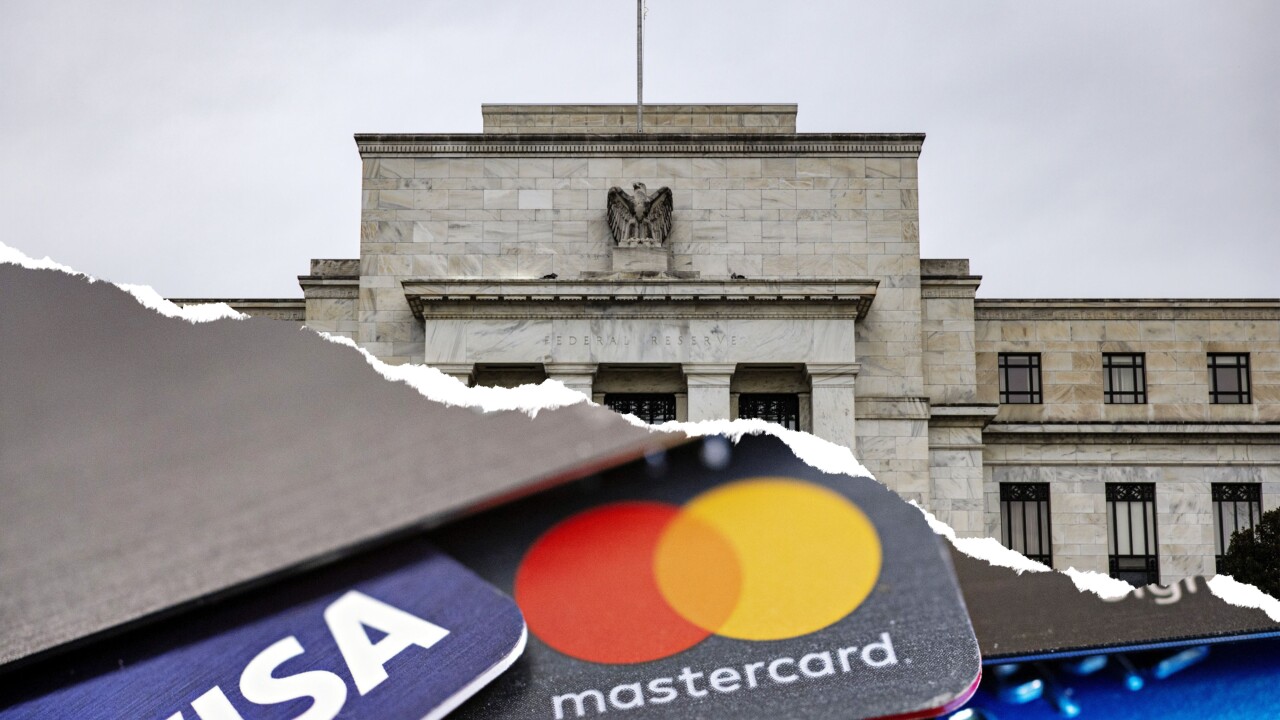
-
In a letter to the chairman of the Commodity Futures Trading Commission, the top Democrats and Republicans on the Senate and House Agriculture Committees say the watchdog has a “critical role to play“ in regulating digital assets.
January 12
-
The startup PointCard's new charge card ignores applicants' credit scores, instead weighing their cryptocurrency holdings and other investments to determine ability to repay.
 January 12
-
If the payments company moves ahead with a digital currency rollout, its network of merchants and consumers as well as its retail-payments focus could give it the upper hand over banks, whose products are limited to cryptocurrency exchanges, wholesale payments and other specific uses.
January 11
-
Cryptocurrency kiosks are increasingly suspected of being used in the smuggling of human beings and drugs. Law enforcement agencies need more information about their locations, according to a government watchdog report.
January 11


The first three months of the year coincide with the start of President Donald Trump's second term in office. Investors are likely to be more interested in banks' outlooks amid swings in tariff policy than the first-quarter results.


Frequently Asked Questions:
How are banks approaching dollar-backed digital assets (stablecoins)?
Stablecoins have moved from the edge of the crypto, world to the center of policy and banking conversations. As regulators and banks weigh their role in payments, settlement, and reserves, this page follows the developments — from early pilots to proposed legislation.
Banks are testing stablecoins for cross-border payments, liquidity management, and digital wallets. Some are also exploring how stablecoins can support interbank transactions or be issued directly by regulated institutions. As the landscape takes shape, stablecoins are starting to look less like an experiment and more like infrastructure.
Why are banks paying attention to stablecoins?
Stablecoins are increasingly viewed as a potential upgrade to legacy payments systems. Banks are evaluating them for settlement, remittances, cross-border transactions, and tokenized deposit models.Are banks issuing their own stablecoins?
Some are exploring the option. Institutions like JPMorgan (with JPM Coin) and new entrants like PayPal are piloting bank-issued stablecoins, while others are watching regulatory developments before moving forward.How do stablecoins impact compliance and risk?
Issues include KYC/AML enforcement, cybersecurity, operational risk, and how reserve assets are held and reported. Banks exploring stablecoin activity must weigh both technological benefits and regulatory scrutiny.How are regulators responding to stablecoin innovation?
Congress is debating stablecoin-specific bills focused on reserve backing, issuer licensing, and oversight. The Federal Reserve, OCC, and state regulators are also shaping how bank involvement in stablecoin activity is supervised.How are banks using stablecoin?
Banks are using stablecoins to speed up cross-border payments, manage liquidity across global branches in real time, and test new forms of settlement between institutions. Some are integrating stablecoins into retail-facing digital wallets, while others are exploring interbank networks built on tokenized payments. These efforts are less about crypto speculation and more about making money move faster, with greater transparency and fewer intermediaries.- Real-time cross-border payments
- Internal liquidity management
- Retail-facing digital wallets
- Interbank tokenized payment networks
Top banks investing in stablecoin
List of institutions with greatest investment in stablecoin:- JPMorgan Chase – JPM Coin
- Custodia Bank – Avit Tokens
- Citigroup - Citi Token Services
- Societe Generale - USD CoinVertible
- Bank of America - Name yet to be released
- Fifth Third - Name yet to be released
- U.S. Bancorp - Name yet to be released