
Stablecoins
How are banks approaching dollar-backed digital assets (stablecoins)?
Stablecoins have moved from the edge of the
Banks are testing stablecoins for cross-border payments, liquidity management, and digital wallets. Some are also exploring how stablecoins can support interbank transactions or be issued directly by regulated institutions. As the landscape takes shape, stablecoins are starting to look less like an experiment and more like infrastructure.
-
Sens. Elizabeth Warren and Sheldon Whitehouse, both Democrats, have asked the Justice Department not to pull any punches as it investigates and seeks to hold accountable the executives at FTX who contributed to the crypto company's demise.
November 23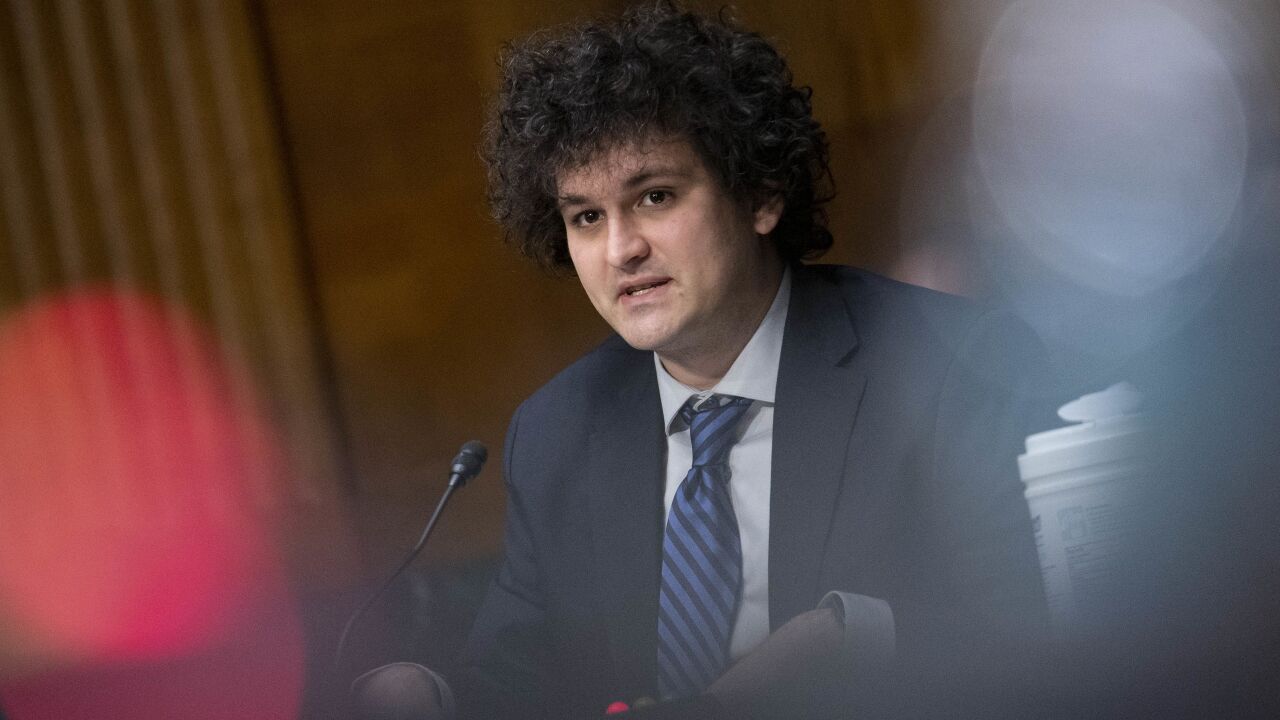
-
The digital-asset brokerage Genesis is struggling to raise fresh cash for its lending unit, and it's warning potential investors that it may need to file for bankruptcy if its efforts fail, according to people with knowledge of the matter.
November 22
-
From a German bank seeking a more than $2 million payment to a Chinese investor requesting $21,000 of lost savings. Claimants around the world who were caught up in the epic collapse of FTX Group are beginning to appear in court filings.
November 22
-
Long before Sam Bankman-Fried's FTX cryptocurrency empire collapsed this month, it already was on the radar of federal prosecutors in Manhattan.
November 22
-
Sens. Debbie Stabenow, D-Mich., the committee's chairman, and John Boozman, R-Ark., its ranking member, will need to revamp their legislation to oversee crypto, which was supported by FTX Chief Executive Sam Bankman-Fried.
 November 21
-
SoFi Technologies was supposed to divest its digital-asset trading arm when it acquired Golden Pacific Bancorp, but Senate Democrats say the bank has instead expanded it.
November 21
-
Moves by cryptocurrency exchanges to reassure markets about their stability are having little effect on jittery users, who keep pulling funds from the venues.
November 21
-
A new report by the examiner of the bankrupt crypto lender Celsius Network details shortfalls in controls and operations at two of the company's product offerings related to digital assets it held in custody for customers, raising issues of whether and how these users can get reimbursed.
November 21
-
The collapse of the crypto empire founded by political megadonor Sam Bankman-Fried is being transformed into a new political battlefront as Republicans highlight links between Democrats and their onetime benefactor.
November 18
-
Kristin Johnson of the Commodity Futures Trading Commission urged crypto industry whistleblowers to come forward in the aftermath of FTX Group's implosion, saying tipsters have previously received millions of dollars for their help.
November 18


The first three months of the year coincide with the start of President Donald Trump's second term in office. Investors are likely to be more interested in banks' outlooks amid swings in tariff policy than the first-quarter results.


Frequently Asked Questions:
How are banks approaching dollar-backed digital assets (stablecoins)?
Stablecoins have moved from the edge of the crypto, world to the center of policy and banking conversations. As regulators and banks weigh their role in payments, settlement, and reserves, this page follows the developments — from early pilots to proposed legislation.
Banks are testing stablecoins for cross-border payments, liquidity management, and digital wallets. Some are also exploring how stablecoins can support interbank transactions or be issued directly by regulated institutions. As the landscape takes shape, stablecoins are starting to look less like an experiment and more like infrastructure.
Why are banks paying attention to stablecoins?
Stablecoins are increasingly viewed as a potential upgrade to legacy payments systems. Banks are evaluating them for settlement, remittances, cross-border transactions, and tokenized deposit models.Are banks issuing their own stablecoins?
Some are exploring the option. Institutions like JPMorgan (with JPM Coin) and new entrants like PayPal are piloting bank-issued stablecoins, while others are watching regulatory developments before moving forward.How do stablecoins impact compliance and risk?
Issues include KYC/AML enforcement, cybersecurity, operational risk, and how reserve assets are held and reported. Banks exploring stablecoin activity must weigh both technological benefits and regulatory scrutiny.How are regulators responding to stablecoin innovation?
Congress is debating stablecoin-specific bills focused on reserve backing, issuer licensing, and oversight. The Federal Reserve, OCC, and state regulators are also shaping how bank involvement in stablecoin activity is supervised.How are banks using stablecoin?
Banks are using stablecoins to speed up cross-border payments, manage liquidity across global branches in real time, and test new forms of settlement between institutions. Some are integrating stablecoins into retail-facing digital wallets, while others are exploring interbank networks built on tokenized payments. These efforts are less about crypto speculation and more about making money move faster, with greater transparency and fewer intermediaries.- Real-time cross-border payments
- Internal liquidity management
- Retail-facing digital wallets
- Interbank tokenized payment networks
Top banks investing in stablecoin
List of institutions with greatest investment in stablecoin:- JPMorgan Chase – JPM Coin
- Custodia Bank – Avit Tokens
- Citigroup - Citi Token Services
- Societe Generale - USD CoinVertible
- Bank of America - Name yet to be released
- Fifth Third - Name yet to be released
- U.S. Bancorp - Name yet to be released