
Stablecoins
How are banks approaching dollar-backed digital assets (stablecoins)?
Stablecoins have moved from the edge of the
Banks are testing stablecoins for cross-border payments, liquidity management, and digital wallets. Some are also exploring how stablecoins can support interbank transactions or be issued directly by regulated institutions. As the landscape takes shape, stablecoins are starting to look less like an experiment and more like infrastructure.
-
The Federal Reserve's vice chair for supervision, in his first appearance before Congress since being confirmed, testified that the banking industry has been spared so far from the chaos in cryptocurrency markets. But he warned that too little is known about nonbank activities that could "blow back" to the regulated financial system.
 November 15
-
Republicans and Democrats have made constructive inroads toward drafting a stablecoin bill this Congress. The next Congress needs to build on that progress — and think bigger.
November 15 American Banker
 -
Voyager Digital Ltd. is trying to sign a deal to sell itself to one of the bidders that lost the auction for the bankrupt crypto lender, after the winner of that auction, FTX, was itself forced into insolvency proceedings.
November 15
-
A Federal Reserve Bank of New York unit will partner with almost a dozen banks and other financial institutions to test out digital dollars, a sign that Wall Street intends to push ahead with its cryptocurrency agenda despite recent upheaval in the market.
November 15
-
The stunning collapse of the cryptocurrency platform FTX is being investigated by federal prosecutors in Manhattan, people familiar with the inquiry said.
November 15
-
In hindsight, Sam Bankman-Fried's April interview with Bloomberg's "Odd Lots" podcast was a harbinger of his epic collapse last week. He described a "box" that has value only because other people put money in it, and, when confronted with the idea that he described a Ponzi scheme, admitted there was a "depressing amount of validity" to that.
November 14
-
U.S. Treasury Secretary Janet Yellen said the implosion of Sam Bankman-Fried's FTX crypto empire reinforced her view that the market for digital assets required "very careful regulation."
November 14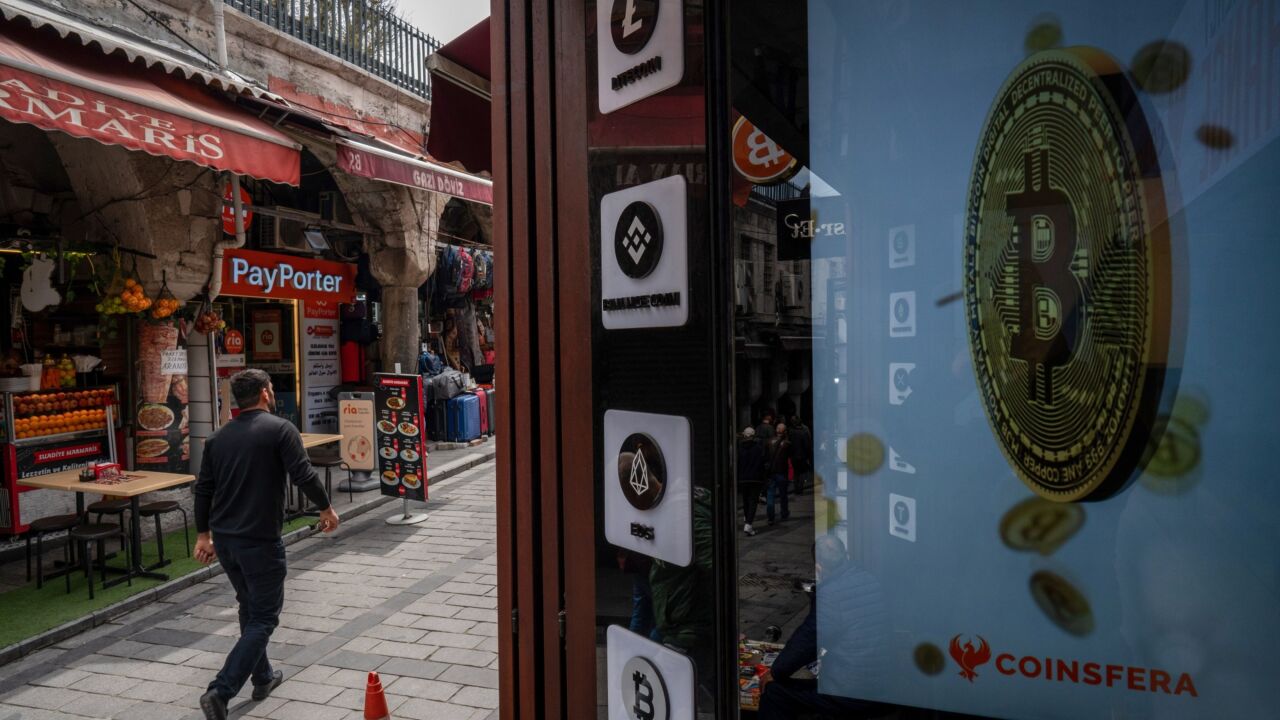
-
The Federal Reserve notched two badly needed wins last week, as inflation showed signs of easing and the financial system withstood the collapse of one of the world's biggest crypto firms. Here's what that means for the central bank moving forward.
 November 14
-
The crisis sparked by the collapse of Sam Bankman-Fried's FTX crypto empire ensnared BlockFi, a troubled digital-asset lender once worth $3 billion but which has now limited activity on its platform.
November 11
-
Sam Bankman-Fried's digital-asset empire filed for Chapter 11 bankruptcy in Delaware, capping a rapid downfall for the 30-year-old entrepreneur and onetime crypto king.
November 11


The first three months of the year coincide with the start of President Donald Trump's second term in office. Investors are likely to be more interested in banks' outlooks amid swings in tariff policy than the first-quarter results.


Frequently Asked Questions:
How are banks approaching dollar-backed digital assets (stablecoins)?
Stablecoins have moved from the edge of the crypto, world to the center of policy and banking conversations. As regulators and banks weigh their role in payments, settlement, and reserves, this page follows the developments — from early pilots to proposed legislation.
Banks are testing stablecoins for cross-border payments, liquidity management, and digital wallets. Some are also exploring how stablecoins can support interbank transactions or be issued directly by regulated institutions. As the landscape takes shape, stablecoins are starting to look less like an experiment and more like infrastructure.
Why are banks paying attention to stablecoins?
Stablecoins are increasingly viewed as a potential upgrade to legacy payments systems. Banks are evaluating them for settlement, remittances, cross-border transactions, and tokenized deposit models.Are banks issuing their own stablecoins?
Some are exploring the option. Institutions like JPMorgan (with JPM Coin) and new entrants like PayPal are piloting bank-issued stablecoins, while others are watching regulatory developments before moving forward.How do stablecoins impact compliance and risk?
Issues include KYC/AML enforcement, cybersecurity, operational risk, and how reserve assets are held and reported. Banks exploring stablecoin activity must weigh both technological benefits and regulatory scrutiny.How are regulators responding to stablecoin innovation?
Congress is debating stablecoin-specific bills focused on reserve backing, issuer licensing, and oversight. The Federal Reserve, OCC, and state regulators are also shaping how bank involvement in stablecoin activity is supervised.How are banks using stablecoin?
Banks are using stablecoins to speed up cross-border payments, manage liquidity across global branches in real time, and test new forms of settlement between institutions. Some are integrating stablecoins into retail-facing digital wallets, while others are exploring interbank networks built on tokenized payments. These efforts are less about crypto speculation and more about making money move faster, with greater transparency and fewer intermediaries.- Real-time cross-border payments
- Internal liquidity management
- Retail-facing digital wallets
- Interbank tokenized payment networks
Top banks investing in stablecoin
List of institutions with greatest investment in stablecoin:- JPMorgan Chase – JPM Coin
- Custodia Bank – Avit Tokens
- Citigroup - Citi Token Services
- Societe Generale - USD CoinVertible
- Bank of America - Name yet to be released
- Fifth Third - Name yet to be released
- U.S. Bancorp - Name yet to be released