
Stablecoins
How are banks approaching dollar-backed digital assets (stablecoins)?
Stablecoins have moved from the edge of the
Banks are testing stablecoins for cross-border payments, liquidity management, and digital wallets. Some are also exploring how stablecoins can support interbank transactions or be issued directly by regulated institutions. As the landscape takes shape, stablecoins are starting to look less like an experiment and more like infrastructure.
-
The cryptocurrency firm Ripple Labs sought to defeat a Securities and Exchange Commission suit by claiming that its XRP token isn't a security subject to the regulator's authority.
September 19
-
The founder of a cryptocurrency research firm was accused by the Securities and Exchange Commission of promoting an initial coin offering without disclosing that he had been paid $5 million to do so.
September 19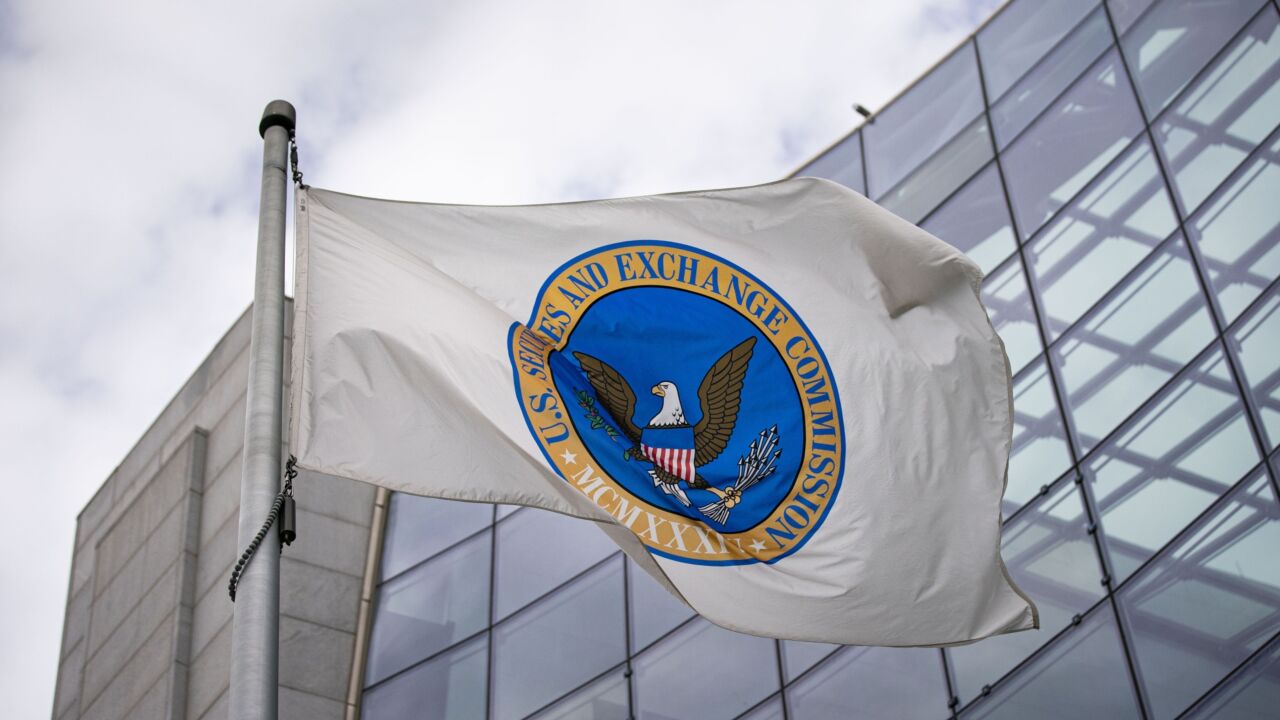
-
President Biden called on the SEC, CFPB and other agencies to vigorously use their enforcement powers to combat consumer scams and financial crimes involving cryptocurrencies; issue rules that address emerging risks tied to digital assets; share data on consumer complaints; and promote a modernized payment system.
 September 16
-
Despite the market fluctuations, digital assets such as stablecoins are gaining ground as a point of sale option — but there's still a lot of work to be done before the average consumer is using crypto for everyday transactions.
 September 15
-
Credit union members are twice as likely to own cryptocurrencies as nonmembers, and 25% of credit unions plan to launch crypto services, studies show. Here's a look at why that is, and the opportunities this trend presents.
 September 15
-
The use cases for non-fungible tokens for consumer loyalty, gaming and other business purposes are expanding, while banks and payment companies step up their NFT experiments.
 September 15
-
SWIFT, the messaging system used by financial institutions globally to convey instructions on tens of millions of transactions each day, is testing out blockchain.
September 14
-
The agency's invitations to "Come in and talk" often precede investigations and subpoenas.
September 14 Blockchain Association
 -
As Treasury cracks down on DeFi, observers say merging the worlds of traditional and decentralized finance is an increasingly impossible dream.
September 13
-
Protego Trust Bank in Seattle, a bank in formation with plans to open this year, named financial technology veteran Ron Totaro its first chief executive.
September 13


The first three months of the year coincide with the start of President Donald Trump's second term in office. Investors are likely to be more interested in banks' outlooks amid swings in tariff policy than the first-quarter results.


Frequently Asked Questions:
How are banks approaching dollar-backed digital assets (stablecoins)?
Stablecoins have moved from the edge of the crypto, world to the center of policy and banking conversations. As regulators and banks weigh their role in payments, settlement, and reserves, this page follows the developments — from early pilots to proposed legislation.
Banks are testing stablecoins for cross-border payments, liquidity management, and digital wallets. Some are also exploring how stablecoins can support interbank transactions or be issued directly by regulated institutions. As the landscape takes shape, stablecoins are starting to look less like an experiment and more like infrastructure.
Why are banks paying attention to stablecoins?
Stablecoins are increasingly viewed as a potential upgrade to legacy payments systems. Banks are evaluating them for settlement, remittances, cross-border transactions, and tokenized deposit models.Are banks issuing their own stablecoins?
Some are exploring the option. Institutions like JPMorgan (with JPM Coin) and new entrants like PayPal are piloting bank-issued stablecoins, while others are watching regulatory developments before moving forward.How do stablecoins impact compliance and risk?
Issues include KYC/AML enforcement, cybersecurity, operational risk, and how reserve assets are held and reported. Banks exploring stablecoin activity must weigh both technological benefits and regulatory scrutiny.How are regulators responding to stablecoin innovation?
Congress is debating stablecoin-specific bills focused on reserve backing, issuer licensing, and oversight. The Federal Reserve, OCC, and state regulators are also shaping how bank involvement in stablecoin activity is supervised.How are banks using stablecoin?
Banks are using stablecoins to speed up cross-border payments, manage liquidity across global branches in real time, and test new forms of settlement between institutions. Some are integrating stablecoins into retail-facing digital wallets, while others are exploring interbank networks built on tokenized payments. These efforts are less about crypto speculation and more about making money move faster, with greater transparency and fewer intermediaries.- Real-time cross-border payments
- Internal liquidity management
- Retail-facing digital wallets
- Interbank tokenized payment networks
Top banks investing in stablecoin
List of institutions with greatest investment in stablecoin:- JPMorgan Chase – JPM Coin
- Custodia Bank – Avit Tokens
- Citigroup - Citi Token Services
- Societe Generale - USD CoinVertible
- Bank of America - Name yet to be released
- Fifth Third - Name yet to be released
- U.S. Bancorp - Name yet to be released