-
ING Bank's $1.67 billion settlement with the Office of Foreign Assets Control is a textbook example of the decision-making process such regulators follow in handling violations.
August 15
-
William C. Dudley, president of the Federal Reserve Bank of New York, said new rules are needed to protect the financial system from a run on money-market mutual funds, lending his support to a regulatory overhaul proposed by U.S. Securities and Exchange Commission Chairman Mary Schapiro.
August 15 -
The UK bank's agreement to pay New York state $340 million to settle money-laundering charges raises the specter that a new regulator is bent on making the industry demands it can't refuse.
August 15
-
Two years after converting the preferred shares it owned in Sterling Financial (STSA) into common stock, the Treasury Department is now looking to sell those shares on the open market.
 August 15
 -
We learn lessons after every financial crisis. But it doesn't stop the next one from happening.
August 15 -
The Consumer Financial Protection Bureau issued a final rule exempting financial institutions that provide fewer than 100 remittances a year from new requirements for such services.
August 15 -
NCR Corp., a maker of automated teller machines and payment systems, tumbled the most in two years after saying it received allegations about business practices that might violate U.S. laws.
August 14 -
NCR Corp.’s stock tumbled the most in two years after saying it received allegations about business practices that might violate U.S. laws.
August 14 -
The debate inside the Republican Party over the future of Fannie Mae and Freddie Mac has taken a right turn with Mitt Romney's selection of Rep. Paul Ryan as his running mate.
 August 14
 -
Chicago Mayor Rahm Emanuel on Tuesday shot down the idea of using eminent domain to seize underwater mortgages, the Chicago Tribune reported.
 August 14
 -
Britain's Standard Chartered Bank will pay $340 million to settle claims that it laundered hundreds of billions of dollars in illegal foreign transactions for Iran and other parties.
 August 14
 -
The smattering of data showing an upsurge in lending activity now includes the statistical reporting required under the Community Reinvestment Act.
 August 14
 -
The battle between retailers, issuers and the major card networks rages on, but behind the scenes, small electronic funds transfer networks suddenly have become more relevant in driving down payment-acceptance costs.
August 14 -
Dodd-Frank just turned two, but it'll be old before its time writes Dimitri B. Papadimitriou of Bard College. The legislation falls prey to the same flaw of most financial regulation: aiming to solve the last crisis instead of the next, he argues.
August 14 -
Money funds and non-deposit-taking consumer lenders should be chartered as limited purpose banks by the Fed and CFPB, respectively. This will reduce systemic risk, improve consistency and efficiency, and protect consumers.
August 14
-
The unexpected retirement of Julie Williams, the Office of the Comptroller of the Currency's second-in-command, raises questions about whether the move was forced and what it says about the agency's future direction.
August 14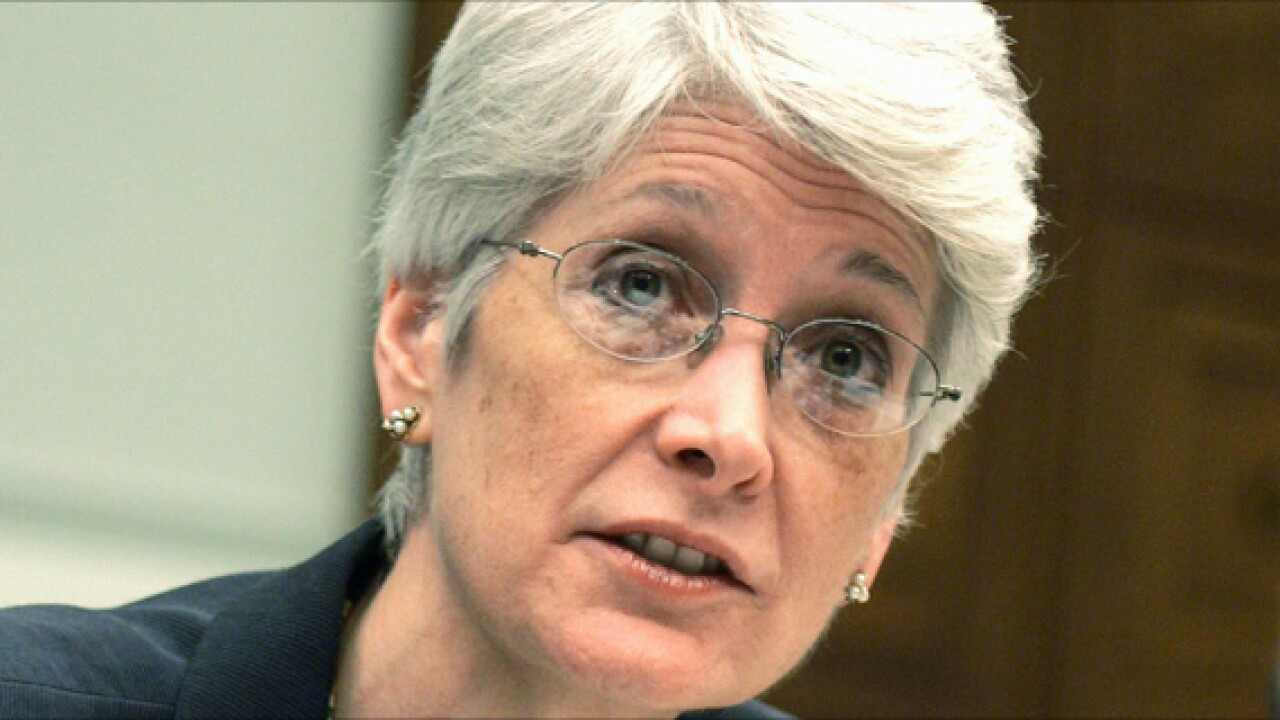
-
Three former employees at JPMorgan Chase & Co. branches pleaded guilty on Monday to using the identities of Puerto Rican customers to file fraudulent tax returns.
August 14 -
The complaint against Wells Fargo highlights problems in comparing borrowers from different racial and ethnic groups.
August 14 -
The creation of Consumer Financial Protection Bureau and an emphasis from all regulators on unfair, deceptive, or abusive acts and practices has created new staffing demands. “Banks are scrambling to find compliance personnel with expertise in consumer protection law,” writes American Banker’s Andy Peters.
August 14 -
Federal investigators charged a Minnesota debt collector with using his access to credit bureaus and consumer databases to steal identities and defraud financial institutions.
August 14


